Real estate is a relationship business, but the first relationship often starts before a phone call, showing, or listing appointment. It starts with what people see online. Your listing photos, aerial images, social media visuals, website photography, and marketing materials all send a message about the way you work.
For agents, professional photography is not only about making a property look attractive. It is about building a recognizable, trustworthy brand that helps sellers feel confident, helps buyers engage faster, and helps your marketing stand out in a crowded marketplace. When used strategically, real estate agent photography becomes one of the clearest signals of professionalism you can offer.
Whether you focus on residential listings, luxury homes, commercial properties, investment assets, or mixed-use developments, strong photography can improve how clients perceive your expertise long before they meet you in person.
Professional Photography Shapes First Impressions
Most prospects evaluate an agent visually before they evaluate credentials. They look at active listings, recently sold properties, social media content, website pages, digital ads, brochures, and listing presentations. If the imagery looks polished and consistent, the agent appears organized, detail-oriented, and serious about marketing.
If the photography looks dark, inconsistent, poorly composed, or rushed, the opposite impression can happen. Even if the agent is highly experienced, weak visuals can make the brand feel less professional than it actually is.
This matters because sellers are not just hiring someone to place a property on the market. They are hiring someone to represent one of their most valuable assets. Buyers, investors, landlords, tenants, and property owners all use visual cues to decide whether a real estate professional is worth trusting.
Professional images communicate care. They show that you are willing to invest in presentation, understand buyer behavior, and respect the value of the property you are representing.
Your Photography Becomes Part of Your Brand Identity
A strong real estate brand is built through repetition. The more often prospects see a consistent level of quality across your visuals, the more familiar and credible your brand becomes.
Photography helps define that brand identity in several ways.
Consistency Across Listings
When every listing is photographed with a similar level of professionalism, clients begin to associate your name with quality marketing. Consistent composition, lighting, angles, editing, and aerial coverage help create a recognizable standard.
This does not mean every property should look the same. A waterfront estate, suburban home, retail center, industrial site, and office building each require a different approach. But the level of polish should feel consistent across your portfolio.
A Clearer Sense of Market Position
Photography can help position an agent within a specific market segment. An agent who regularly uses professional ground photography, aerial imagery, twilight images, neighborhood visuals, and polished marketing assets signals that they understand premium presentation.
This is especially important for agents competing for higher-value listings or commercial assignments. Property owners want to know that their asset will be marketed with care, not treated like a routine posting.
Visual Proof of Your Marketing Process
Anyone can say they market properties well. Professional photography provides visible proof. When prospects review your past listings, your imagery shows how you present properties, highlight value, and create buyer interest.
That visual record can strengthen listing presentations because it gives sellers something concrete to evaluate. Instead of only hearing about your marketing plan, they can see the standard you bring to each property.
High-Quality Images Help Listings Perform Better Online
Online property searches are highly visual. Before a buyer reads the full description, reviews square footage, or studies property features, they usually react to the images. Strong photography encourages people to pause, click, save, share, and schedule a showing.
For agents, that engagement reflects directly on the brand. If your listings are presented well, sellers are more likely to believe you can generate attention. Buyers are more likely to view your listings as credible and worth exploring.
Professional listing photography helps by:
- Making spaces feel brighter, cleaner, and easier to understand
- Showing property flow from room to room or area to area
- Highlighting curb appeal, amenities, parking, access, and surroundings
- Reducing confusion through accurate, well-composed images
- Creating a stronger first impression on MLS platforms, websites, and social media
The goal is not to make a property look unrealistic. The goal is to represent it at its best while helping potential buyers or tenants understand what makes it valuable.
Aerial Photography Adds Context That Ground Photos Cannot
For many properties, especially in South Florida, location is a major part of the story. Drone photography can show context that traditional photography may not capture effectively.
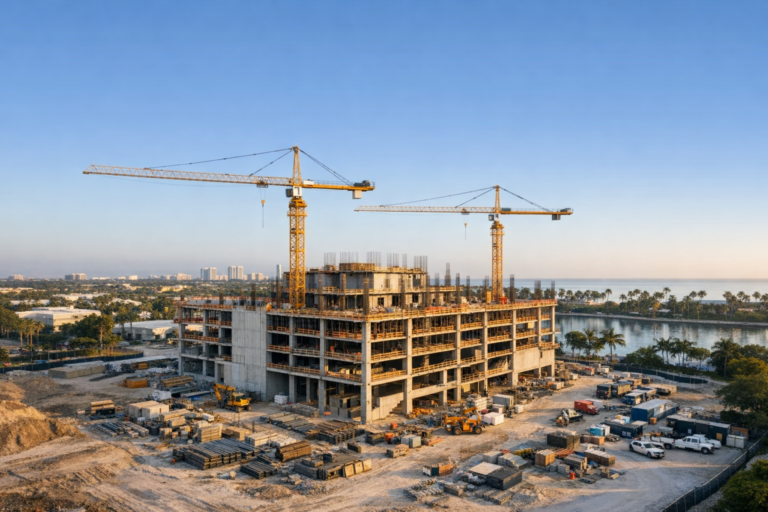
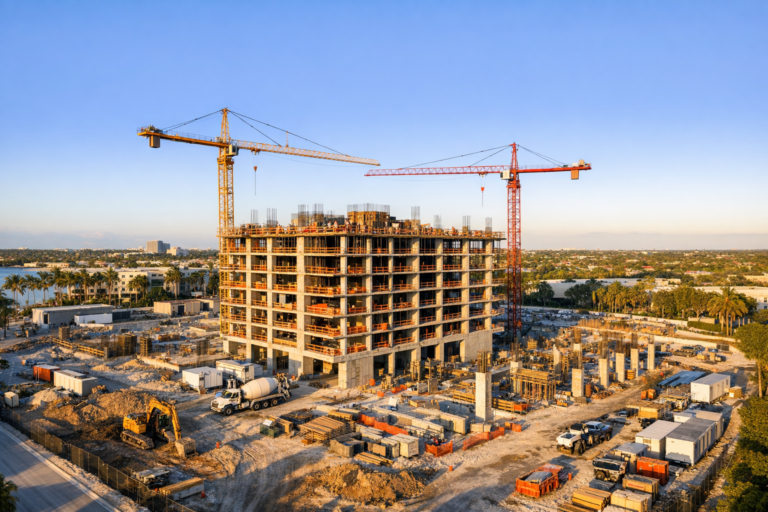
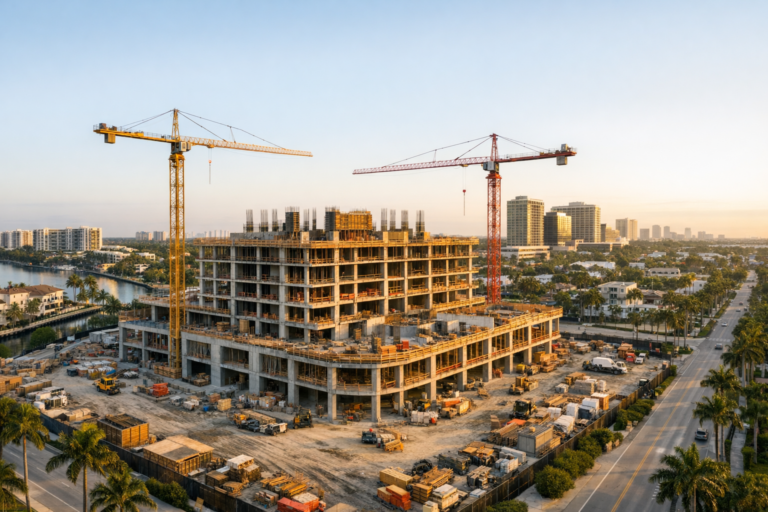
Aerial images can reveal proximity to water, roads, business districts, retail corridors, marinas, golf courses, beaches, parks, schools, and surrounding developments. For commercial real estate, aerial photography can also help show site access, parking layout, neighboring parcels, rooflines, building orientation, traffic patterns, and visibility from nearby roads.
This type of context is valuable because buyers and investors are not only evaluating the structure. They are evaluating how the property fits into the surrounding environment.
South Florida Properties Often Benefit From Aerial Perspective
In South Florida, aerial visuals can be especially useful because many property decisions are influenced by surroundings. Waterfront access, coastal proximity, dense urban corridors, redevelopment areas, gated communities, and commercial districts are often easier to understand from above.
For example, a ground-level image may show the front of a building, but an aerial image can show its relationship to nearby highways, shopping centers, residential neighborhoods, parking areas, or open land. For a waterfront listing, aerial images can show canal access, dock placement, lot orientation, and nearby waterways in a way ground photos cannot.
When used properly, drone photography strengthens the story of the property and gives the agent more compelling visual assets to use across marketing channels.
Photography Helps Sellers Understand Your Value
Many sellers compare agents based on commission, market knowledge, and confidence. Photography gives you another way to demonstrate value without making exaggerated promises.
During a listing presentation, a polished portfolio of past property photography shows sellers what they can expect if they hire you. It helps answer an important question: How will my property be presented to the market?
Agents who invest in professional photography can explain their process more clearly. They can discuss preparation, staging considerations, timing, shot planning, aerial opportunities, marketing use, and how images will support the broader campaign.
This shifts the conversation away from simply listing a property and toward professionally marketing it. That distinction can be powerful when a seller is deciding between multiple agents.
Professional Photography Creates More Usable Marketing Assets
A well-planned photo session should support more than one listing page. The strongest agents think beyond the initial upload and use photography across multiple brand touchpoints.
Professional images can be repurposed for:
- Listing presentations
- Property brochures and offering materials
- Email campaigns
- Social media posts and reels covers
- Website portfolio pages
- Digital advertising
- Open house promotions
- Neighborhood market updates
- Recently sold announcements
- Commercial leasing and sales packages
This creates a more consistent brand presence. Instead of relying on one-off images or mismatched visuals, agents can build a library of high-quality content that supports future marketing.
What Makes Real Estate Photography Effective?
Strong property photography requires more than an expensive camera. It takes planning, an understanding of real estate marketing, and attention to how people evaluate space.
Accurate Lighting and Color
Images should feel bright and appealing without looking artificial. Overprocessed photos can create distrust if the property looks different in person. Professional editing should enhance clarity while keeping the property honest and recognizable.
Purposeful Composition
Every image should have a reason to exist. Good composition helps guide the viewer through important features such as entryways, common areas, outdoor spaces, amenities, frontage, water views, or access points.
Logical Storytelling
The photo sequence matters. A strong gallery often moves from exterior context to entry, main living or working areas, key features, amenities, aerial views, and surrounding location. This helps viewers understand the property naturally.
Property-Specific Shot Planning
A luxury residential listing, office building, retail plaza, vacant land parcel, construction site, and event venue each require a different visual strategy. Professional photography should be planned around the property type, target audience, and marketing goal.
How Agents Can Prepare for a Better Photography Session
Preparation has a direct impact on final image quality. Even the best photographer cannot fully overcome clutter, poor timing, blocked access, or a property that is not ready.
Before a shoot, agents should consider these practical steps:
- Confirm that the property is clean, accessible, and ready before the scheduled time
- Remove unnecessary vehicles, trash bins, signage, and personal clutter when possible
- Open blinds and turn on appropriate interior lighting
- Schedule around the best available natural light for the property
- Identify key selling points that must be captured
- Discuss aerial opportunities, restrictions, and property boundaries in advance
- Coordinate with owners, tenants, property managers, or site supervisors when needed
For commercial properties and construction sites, planning is especially important. Access points, active work areas, safety requirements, tenant operations, and parking conditions can affect what can be captured and when.
Choosing the Right Photography Partner Matters
The photographer or drone company you hire becomes part of your brand experience. Their reliability, safety practices, communication, and final deliverables affect how smoothly your marketing process runs.
When evaluating a photography partner, agents should ask:
- Do they understand real estate and commercial property marketing?
- Can they capture both ground-level and aerial perspectives when appropriate?
- Are drone operations conducted by an FAA Part 107 certified remote pilot?
- Do they understand airspace considerations, site safety, and professional operating procedures?
- Can they help plan shots based on the property type and intended use?
- Is their editing style clean, accurate, and consistent?
- Do they communicate clearly about scheduling, weather, access, and deliverables?
For drone photography, FAA compliance is not optional. Commercial drone operations in the United States require a certificated remote pilot, and some locations may require airspace authorization before flight. Working with a professional operator helps protect the project, the property owner, and your reputation.
Common Photography Mistakes That Weaken an Agent Brand
Even experienced agents can undermine their brand with avoidable visual mistakes. The most common include using inconsistent image styles from listing to listing, relying on phone photos for important properties, overediting images until they look unrealistic, skipping exterior or location context, and failing to capture aerial views when they would add genuine value.
Another mistake is treating photography as an afterthought. If the shoot is rushed or scheduled before the property is ready, the final visuals may not reflect the property or the agent well. Strong photography starts with intentional planning.
Agents should also avoid using images that misrepresent a property. Trust is central to real estate. Photos should be attractive, but they should not create expectations that lead to disappointment during a showing or site visit.
FAQ
Why is professional photography important for real estate agents?
Professional photography helps agents present properties clearly, attract more attention online, and build a consistent brand reputation. It also shows sellers that the agent takes marketing seriously and is committed to strong presentation.
Is real estate agent photography only for luxury listings?
No. While luxury properties often demand premium visuals, professional photography can benefit many property types. Clean, well-composed images help residential, commercial, rental, land, and investment listings appear more credible and easier to evaluate.
How does drone photography help an agent brand?
Drone photography adds perspective, context, and production value. It can show location, property boundaries, nearby amenities, waterfront access, parking, traffic corridors, and surrounding development. These visuals can make an agent’s marketing feel more complete and professional.
Should agents use the same photographer for every listing?
Using a consistent photography partner can help create a more recognizable brand style. It can also improve workflow because the photographer becomes familiar with the agent’s expectations, preferred deliverables, and marketing process.
What should agents look for in a drone photography company?
Agents should look for FAA Part 107 certification, professional communication, real estate experience, safe operating procedures, clean editing, and an understanding of how aerial images support property marketing. The company should also be clear about weather, scheduling, and airspace considerations.
Build a Brand Clients Can See
Your brand is not built only through logos, slogans, or social media captions. It is built through every experience a client has with your business. Photography is one of the most visible parts of that experience.
When your property images are polished, accurate, and consistent, they help communicate professionalism before you ever speak with a prospect. They show sellers that their property will be represented with care. They help buyers and investors understand value more clearly. They give your marketing a level of trust that ordinary images often cannot provide.
For real estate professionals in South Florida, high-quality ground and aerial photography can be a meaningful advantage in a competitive market. Skyview Motions provides professional commercial drone photography and videography for real estate, construction, events, and property marketing, with an emphasis on safe operations, clear communication, and visuals that support business goals.
If you are ready to strengthen your real estate brand with professional visuals, consider how the right photography partner can help you present every property with more clarity, confidence, and consistency.