Remote ownership has become common in commercial construction. Developers, investors, property owners, and corporate stakeholders often need to oversee projects without being physically present every week. The challenge is simple: construction moves quickly, and written updates alone rarely provide enough clarity.
Professional construction photography for project owners solves that visibility gap. When captured consistently and organized properly, progress photos become more than attractive images. They become a visual record of site conditions, completed work, sequencing, access, safety context, and milestone progress.
For owners managing projects from another city, another state, or simply away from the jobsite, high-quality construction progress photography provides confidence. It helps owners see what is actually happening, ask better questions, align stakeholders, and make better decisions without relying solely on secondhand descriptions.
Why Remote Project Owners Need More Than Written Updates
Construction reports are useful, but they have limitations. A status email may say that framing is progressing, utilities are being installed, or exterior work is underway. Without visuals, however, the owner may not know the scale of progress, which areas are complete, which zones are active, or whether visible conditions match expectations.
Photos add context that words cannot always provide. They show the relationship between different trades, site access points, material staging, structural progress, grading conditions, parking areas, roof work, and surrounding property conditions. This is particularly valuable when multiple stakeholders are reviewing the same project from different locations.
For remote owners, the goal is not to replace the general contractor, architect, engineer, or owner’s representative. The goal is to create an independent visual record that supports communication and keeps everyone aligned.
What Construction Progress Photography Helps Owners See
A well-planned construction photography program should be intentional. Random snapshots are not the same as useful documentation. The most valuable photo sets are captured from consistent angles, at predictable intervals, and with the owner’s priorities in mind.
Overall Site Progress
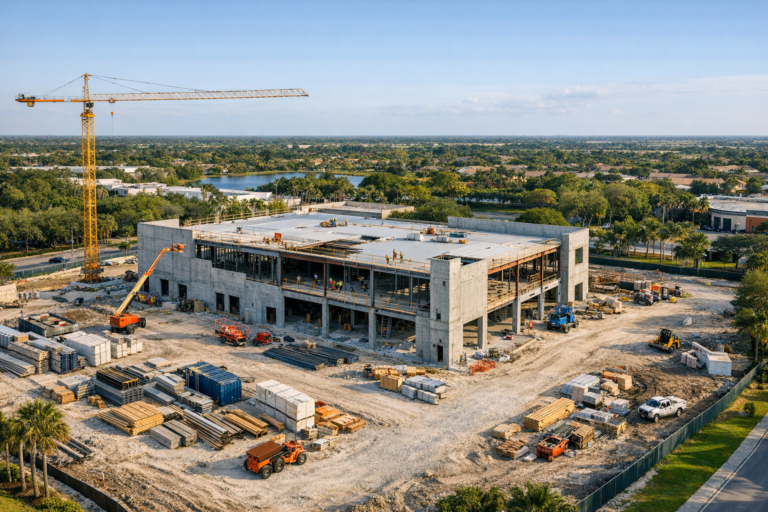
Aerial images are especially helpful for showing the full project footprint. From above, owners can see building placement, site circulation, parking areas, material storage, equipment locations, access roads, landscaping progress, drainage features, and surrounding conditions. This broader perspective is often difficult to understand from ground-level photos alone.
Milestone Documentation
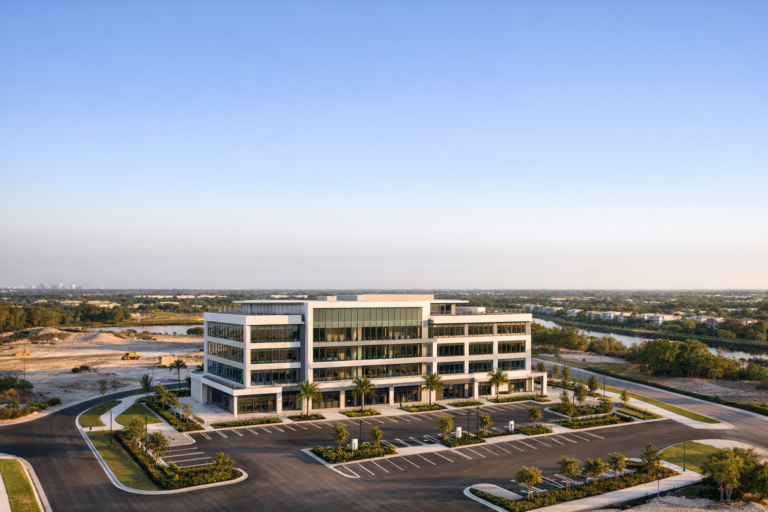
Important project milestones deserve clear visual records. Examples may include demolition completion, site clearing, foundation work, structural framing, dry-in progress, roofing, exterior envelope installation, paving, landscaping, and final completion. These milestone photos help owners understand how the project is advancing against the schedule.
Trade Coordination and Work Sequencing
Photos can help owners visualize how different scopes of work are progressing together. For example, aerial and ground images may show whether site utilities, paving preparation, exterior finishes, and building access improvements are moving in a logical sequence. While photos do not replace professional inspections, they help highlight areas that may need additional discussion.
Surrounding Property Conditions
Remote owners often need awareness beyond the building itself. Construction activity can affect neighboring properties, roads, staging areas, landscaping, fencing, and site entrances. Periodic photography creates a helpful record of visible exterior conditions over time.
The Value of Drone Photography for Remote Construction Oversight
Drone photography has become one of the most useful tools for construction documentation because it captures perspectives that are difficult, expensive, or impossible to obtain from the ground. For remote owners, aerial imagery provides a fast and clear understanding of jobsite activity.
Drone images can show the entire site in one frame, making it easier to evaluate progress across multiple buildings, large parcels, infrastructure improvements, or phased developments. This is particularly valuable for commercial real estate projects, multifamily construction, industrial facilities, retail centers, and large sitework projects.
Professional drone operators also understand the importance of repeatable capture points. When photos are taken from similar positions over time, owners can compare progress more accurately. A consistent monthly aerial view from the same direction is far more useful than a different angle captured randomly each visit.
How Consistent Photo Documentation Reduces Miscommunication
Many construction misunderstandings start because stakeholders are picturing different things. An owner may interpret a written update one way, while the contractor intends something else. A visual record helps reduce that ambiguity.
When everyone is looking at the same current photos, conversations become more specific. Instead of asking broad questions such as whether the project is on track, owners can ask targeted questions about visible areas, active work zones, or upcoming phases. This leads to more productive meetings and fewer assumptions.
Consistent construction photography also helps project teams explain delays, constraints, and site conditions. For example, photos may illustrate weather impacts, restricted access, staging challenges, or the completion of work that is not easy to describe in writing.
What a Useful Construction Photography Deliverable Should Include
The value of construction photography depends heavily on how it is delivered. Remote owners need more than a folder of disorganized images. A professional deliverable should be easy to review, share, and reference later.
Helpful deliverables often include a combination of aerial overview images, ground-level detail photos, milestone-focused images, and organized file naming. For longer projects, consistent date labeling is essential. Owners should be able to quickly identify when each photo was captured and what part of the project it shows.
For some projects, video can also be valuable. Short progress videos or drone flyovers can help stakeholders understand the overall site in a more dynamic way. However, still photography remains especially important for documentation because individual images are easy to compare, archive, distribute, and reference during project discussions.
How Often Should Remote Owners Schedule Progress Photos?
The right frequency depends on the project size, pace, budget, and reporting needs. Some owners need weekly documentation during active phases. Others may only need monthly aerial and ground photography tied to draw requests, owner updates, or management meetings.
As a practical starting point, monthly photography works well for many commercial construction projects. Faster-moving projects, high-value developments, or sites with multiple active trades may benefit from biweekly or weekly visits. Key milestone shoots can also be scheduled around major phases such as foundation completion, structural topping out, roofing, paving, or final delivery.
The most important factor is consistency. A predictable schedule creates a reliable visual timeline and makes it easier to compare progress from one period to the next.
What Remote Owners Should Look for in a Construction Photography Provider
Not every photographer or drone operator is suited for construction documentation. Remote project owners should look for a provider that understands commercial jobsites, safety expectations, FAA requirements, and the practical purpose of progress imagery.
For drone work, the operator should be FAA Part 107 certified. This certification is required for commercial drone operations in the United States. The provider should also understand airspace considerations, site coordination, weather limitations, and safe flight practices around active construction environments.
Owners should also evaluate whether the provider can capture both high-quality visuals and useful documentation. Beautiful images matter, but construction progress photography must also be accurate, organized, and repeatable. The best results come from a provider who thinks like a documentation partner, not just a camera operator.
Practical Ways Owners Can Get More Value From Each Shoot
Clear direction improves the final deliverable. Before photography begins, remote owners should identify which areas matter most. This may include the building exterior, roof, parking areas, site entrances, utility corridors, drainage areas, material staging, or specific phases of work.
It is also helpful to establish a standard shot list. A repeatable shot list may include front elevation, rear elevation, each side of the building, overhead site view, entry points, active work areas, and any owner-priority details. When the same views are captured over time, the visual timeline becomes much more useful.
Project teams should also coordinate site access and timing. Construction sites are active environments, and professional photographers must work safely without interfering with crews. Good coordination helps ensure that the right areas are visible and the shoot is completed efficiently.
Important Limitations to Understand
Construction photography is a powerful oversight tool, but it is not a substitute for inspections, engineering review, code compliance verification, or professional construction management. Photos document visible conditions at the time of capture. They do not confirm hidden work, approve workmanship, or replace the judgement of licensed professionals.
That said, photos can support better oversight by giving owners a clearer view of the project. When used alongside reports, meetings, inspections, and contractor updates, professional imagery becomes an important part of a complete communication process.
Why This Matters for South Florida Projects
South Florida construction presents unique documentation needs. Weather, coastal conditions, dense urban areas, traffic patterns, limited staging space, and strict site schedules can all affect project visibility. Owners who are not local may find it difficult to understand these conditions without consistent visual updates.
Drone and ground photography can help remote stakeholders see how a site fits into its surrounding environment. This is valuable for commercial real estate developments, hospitality projects, retail properties, multifamily communities, industrial sites, and renovation projects across the region.
FAQ
Is construction progress photography worth it for small projects?
Yes, if the owner cannot be onsite regularly or needs a clear record of progress. Smaller projects may not require frequent shoots, but milestone photography can still provide useful documentation and peace of mind.
How is drone construction photography different from regular ground photography?
Ground photography captures details from eye level, while drone photography shows the entire site, building layout, access, staging, and surrounding conditions. The strongest documentation plans often use both perspectives.
Can photos help with payment applications or draw reviews?
Photos can support conversations around visible progress, but they should not be treated as the only basis for payment approval. Owners should use imagery alongside contractor documentation, inspections, and professional review processes.
Do construction drones require FAA certification?
Yes. Commercial drone operations in the United States require an FAA Part 107 certified remote pilot. Owners should confirm that any drone provider they hire is properly certified for commercial work.
What is the best time of day for construction photography?
The best time depends on the site orientation, shadows, weather, and areas being documented. Morning or late afternoon light can be visually appealing, but documentation may require timing that clearly shows active work areas and site conditions.
Clear Visibility Leads to Better Ownership Decisions
Remote project owners need accurate, timely, and useful information. Professional construction progress photography provides the visual clarity needed to understand site conditions, communicate with stakeholders, and maintain confidence throughout the build.
When photography is captured consistently, organized properly, and combined with knowledgeable drone operation, it becomes a practical management tool rather than just a set of images. It helps owners see the work, understand progress, and ask better questions from wherever they are.
Skyview Motions provides professional commercial drone photography and construction progress documentation for projects throughout South Florida. For owners who need dependable visual updates from the field, a thoughtful photography plan can make remote oversight more informed, efficient, and confident.