Roof inspections have always been an important part of property maintenance. Whether you are a homeowner, property manager, roofing contractor, or insurance adjuster, understanding the condition of a roof helps prevent costly repairs and protects the overall value of a building. For decades, the standard method involved climbing onto the roof with ladders, scaffolding, or lifts. Today, that process is rapidly changing.
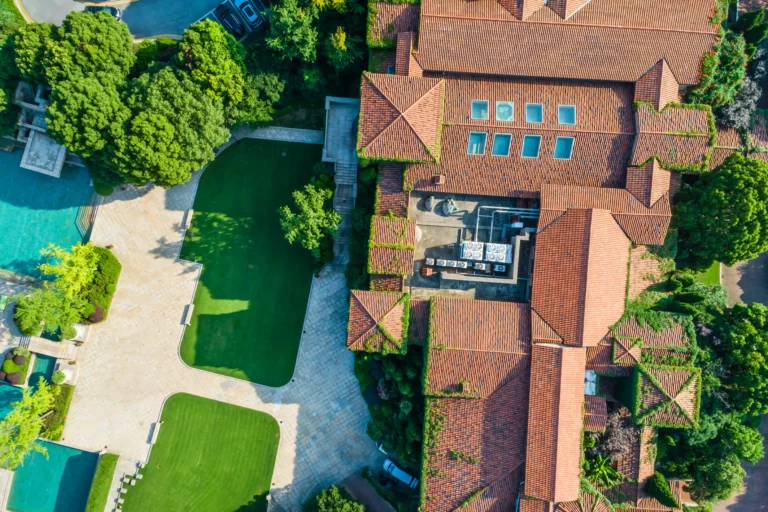
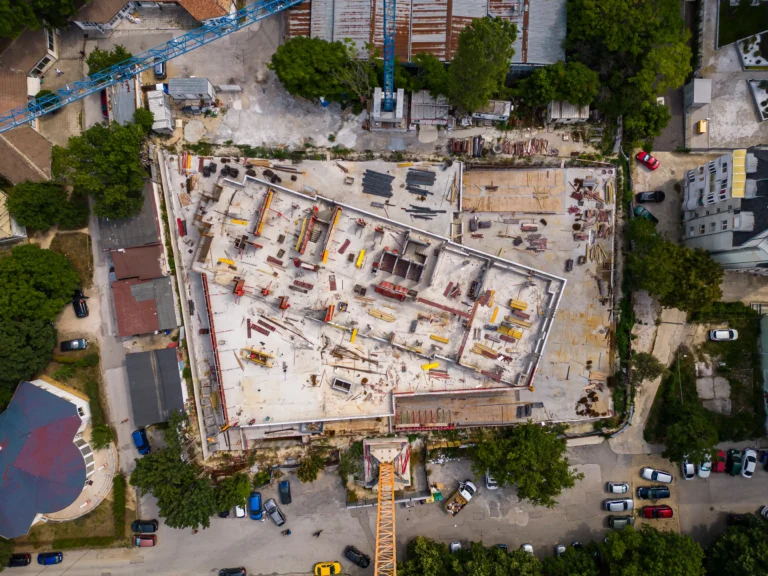
Advances in drone technology are transforming how inspections are performed. A drone roof inspection provides high-resolution aerial visuals without the risks, delays, and limitations of traditional methods. As more industries adopt roof inspection drones, aerial inspections are becoming the preferred solution for evaluating roofs quickly, safely, and accurately.
In this article, we explore why drone inspection services are replacing traditional roof inspections and why more professionals are turning to aerial technology.
The Limitations of Traditional Roof Inspections
Traditional inspections require a technician to physically access the roof. While this method has been used for years, it comes with several challenges that can impact efficiency and safety.
First, traditional inspections can be time-consuming. Inspectors often need to set up ladders or scaffolding and carefully move across the roof surface to evaluate different sections. For larger properties or multi-building complexes, this process can take hours or even days.
Second, there are safety concerns. Walking on steep roofs, wet surfaces, or aging structures creates potential hazards. Falls remain one of the most common risks associated with manual inspections.
Traditional inspections can also cause unintended damage. Walking across shingles or tiles may loosen materials or worsen existing issues.
These challenges have led many property owners and professionals to seek safer and more efficient alternatives.
The Safety Advantages of Drone Roof Inspections
One of the biggest reasons aerial roof inspections are replacing traditional methods is safety. With a drone roof inspection, the inspector does not need to climb onto the roof at all.
Instead, a drone equipped with a high-resolution camera flies above the structure and captures detailed images from multiple angles. This allows inspectors to examine the roof without exposing themselves to dangerous conditions.
Key safety benefits include:
- No climbing ladders or walking on steep surfaces
- Reduced risk of falls or accidents
- Safe access to hard-to-reach areas
- No disruption to fragile roofing materials
For property managers and building owners, using roof inspection drones also reduces liability. Eliminating the need for physical roof access lowers the risk of workplace injuries during inspections.
Cost Savings for Property Owners and Businesses
Drone inspections are not only safer, they are also more cost-effective.
Traditional inspections often require additional equipment such as lifts, scaffolding, or safety gear. These tools add to labor costs and extend the amount of time needed to complete the inspection.
A drone roof inspection eliminates most of these expenses. Because drones can quickly capture visuals of the entire roof, inspections can be completed faster and with fewer resources.
Property owners benefit from:
- Reduced labor costs
- No equipment rentals or setup fees
- Faster inspections with minimal disruption
- Lower long-term maintenance costs through early detection
When problems are identified early, repairs can be handled before they turn into major structural issues.
Faster Turnaround and Efficient Inspections
Speed is another major advantage of drone inspection services.
With traditional inspections, evaluating a large building or multiple structures can take significant time. A drone can complete the same inspection in a fraction of the time while still capturing detailed imagery.
Drones can quickly scan:
- Residential roofs
- Commercial buildings
- Apartment complexes
- Warehouses and industrial facilities
Because aerial inspections cover large areas efficiently, inspectors can identify damage, wear, and potential issues much faster.
This quick turnaround is especially valuable after severe weather events when property owners need immediate assessments.
Better Documentation for Insurance Claims
High-quality documentation is critical when filing insurance claims or documenting property conditions.
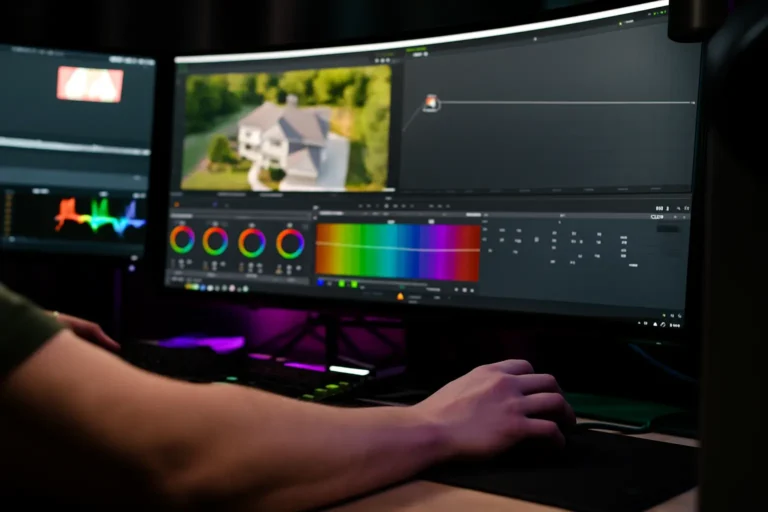
Drone technology provides clear, high-resolution imagery that captures precise details of a roof’s condition. These visuals allow property owners, insurance adjusters, and contractors to clearly identify damage.
Benefits of aerial documentation include:
- Detailed photos and video evidence
- Accurate records of roof conditions
- Easier communication with insurance companies
- Visual proof for repair estimates
When storm damage occurs, aerial roof inspections help property owners quickly gather the information needed to support insurance claims.
Real-World Uses for Drone Roof Inspections
The use of roof inspection drones continues to expand across multiple industries.
Property Management
Property managers use drone inspections to monitor building conditions across multiple properties. Aerial inspections make it easy to review roofs during routine maintenance checks.
Roofing Contractors
Roofing companies rely on drones to assess damage before starting repairs. Drone imagery helps contractors provide accurate estimates and explain problems to clients.
Insurance Adjusters
Insurance professionals use aerial inspections to document storm damage and evaluate claims quickly.
Homeowners
Homeowners benefit from drone roof inspections by identifying potential problems before leaks or structural damage develop.
In each case, drones provide faster, safer, and more detailed information than traditional inspection methods.
The Future of Roof Inspections
Drone technology continues to improve every year. With advancements in camera resolution, flight stability, and thermal imaging, drone inspection services are becoming even more powerful.
As the technology evolves, aerial inspections will continue replacing older methods that rely on manual roof access. For property owners, contractors, and insurers, drones offer a smarter way to evaluate roofs while improving safety and efficiency.
Final Thoughts
The shift from traditional inspections to drone roof inspections reflects a broader change in how buildings are maintained and evaluated. Drones provide safer access, faster inspections, lower costs, and better documentation.
For homeowners, property managers, roofing professionals, and insurance adjusters, aerial roof inspections are quickly becoming the new standard.
By using modern drone technology, property owners gain clearer insights into roof conditions and can make better decisions about maintenance, repairs, and long-term property protection.