Great property photography is not just about making a building look polished. In South Florida, it is about helping people understand the lifestyle surrounding the listing. Buyers, tenants, investors, and guests want to see more than walls, finishes, and square footage. They want to understand the setting, the access, the energy of the neighborhood, and the everyday experience of being there.
That is where professional South Florida property photography becomes a strategic marketing tool. The right images can communicate waterfront access, walkability, outdoor living, tropical landscaping, nearby amenities, parking flow, views, and the character of a location in ways that written descriptions alone cannot.
For commercial real estate teams, developers, property managers, and listing agents, lifestyle-driven photography can make a property easier to understand and more memorable. It gives decision-makers the visual context they need to evaluate a listing with confidence.
Why Lifestyle Matters in South Florida Property Marketing
South Florida has a visual identity that is difficult to separate from its real estate. Sunlight, water, palm trees, outdoor dining, resort-style amenities, marinas, walkable downtown districts, golf communities, and coastal architecture all help shape how a listing is perceived.
A standard photo of a building may show what the property looks like. Lifestyle-focused photography shows what the property offers. That distinction matters, especially in competitive markets where several listings may have similar square footage, layouts, or interior finishes.
For example, a commercial property near a major roadway benefits from images that show visibility, access, parking, and proximity to surrounding businesses. A multifamily community benefits from photography that captures the pool deck, shaded outdoor seating, fitness spaces, landscape design, and nearby neighborhood features. A waterfront residence benefits from visuals that clearly show the relationship between the home, dock, views, and outdoor entertaining areas.
The goal is not to exaggerate the property. The goal is to present it clearly, attractively, and honestly while helping viewers understand the complete environment around the listing.
What Professional Property Photography Captures Beyond the Building
Strong property photography starts with the structure, but it should not stop there. The best listing media builds a visual story around the property and its surroundings.
Location and Setting
Location is one of the most important factors in real estate, but it can be hard to communicate through text alone. Professional photography can show whether a property is near the beach, positioned along a waterway, connected to a retail corridor, surrounded by residential density, or located in a walkable commercial district.
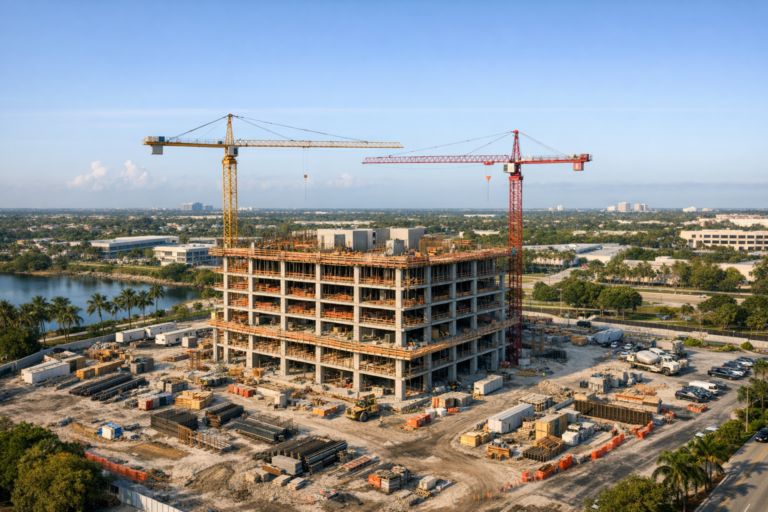
Aerial drone photography is especially useful for this purpose. From above, viewers can see context that is impossible to capture from the ground, such as road access, neighboring developments, parking areas, major intersections, open space, nearby amenities, and the overall scale of the site.
Outdoor Living and Usable Space
In South Florida, outdoor areas often carry significant marketing value. Patios, terraces, balconies, pool decks, courtyards, rooftop amenity spaces, gardens, and waterfront areas are not secondary details. They are part of the lifestyle.
Professional photography should show how these spaces function. A wide image of a pool may look attractive, but a thoughtful composition can also show lounge areas, cabanas, landscaping, shade, privacy, and how the space connects to the building. That gives prospective buyers or tenants a more complete understanding of daily use.
Views, Orientation, and Surroundings
Views play a major role in South Florida property value and appeal. Ocean views, skyline views, golf course views, lake views, canal frontage, and preserve views should be photographed with care and accuracy.
Professional photographers understand how to balance bright skies, reflective glass, water, and shaded interiors so the final image feels natural. Drone photography can also show orientation, helping viewers understand where a property sits in relation to the water, neighboring buildings, roads, or amenities.
Access, Parking, and Flow
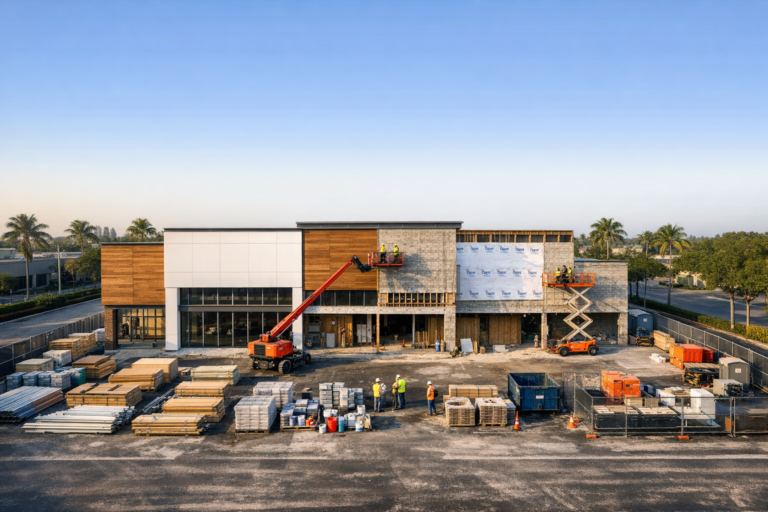
For commercial and mixed-use properties, practical visual information is just as important as beauty. Decision-makers often want to see access points, loading areas, parking fields, pedestrian paths, signage opportunities, frontage, and site circulation.
These details may not feel glamorous, but they help answer real business questions. A tenant evaluating a retail site, for instance, may want to understand visibility from the road and how customers enter the property. A buyer reviewing an industrial asset may care about truck access and the layout of the exterior space. Professional photography can make those features clear without requiring a site visit as the first step.
How Aerial Photography Strengthens the Lifestyle Story
Drone photography is one of the most effective ways to capture the South Florida lifestyle around a listing because it reveals relationships. It can show how a property connects to its neighborhood, how close it is to the water, how amenities are arranged, and how the site fits within the surrounding market.
For commercial real estate, aerial images can support offering memorandums, leasing presentations, listing pages, social media campaigns, investor updates, and development marketing. For residential and luxury listings, aerial views can highlight lot size, waterfront position, outdoor living, rooflines, landscaping, and proximity to desirable destinations.
Professional drone work also requires more than simply flying a camera. Commercial drone operations should be conducted by an FAA Part 107 certified remote pilot, with attention to airspace, weather, property boundaries, safety, people on site, and the intended use of the imagery. This matters in South Florida, where coastal winds, controlled airspace, airports, high-rise buildings, and active public areas can all affect planning.
What Makes South Florida Property Photography Different
South Florida presents unique photography challenges. Bright sun, reflective water, white exteriors, glass towers, fast-changing weather, and strong shadows can make a property difficult to photograph well. A professional approach accounts for these conditions before the shoot begins.
Light Changes the Mood of a Listing
Morning light may work well for east-facing properties near the ocean. Late afternoon light may better suit west-facing exteriors, courtyards, golf views, or buildings with warm architectural materials. Midday light can be useful in some commercial situations, but it can also create harsh shadows and blown-out highlights if not handled carefully.
The right timing depends on the property, the direction it faces, the features that matter most, and how the images will be used. A professional photographer plans around these factors rather than treating every property the same way.
Weather and Seasonality Matter
South Florida weather can shift quickly, especially during the rainy season. Clouds, wind, humidity, and passing storms can affect both ground and aerial photography. Professional planning includes monitoring conditions, choosing realistic shoot windows, and being prepared to adjust when necessary.
For drone photography, wind and visibility are especially important. Safe flight conditions come first. A reliable provider will not force a flight when conditions are unsuitable, even if the property is ready to be photographed.
Waterfront Properties Require Careful Composition
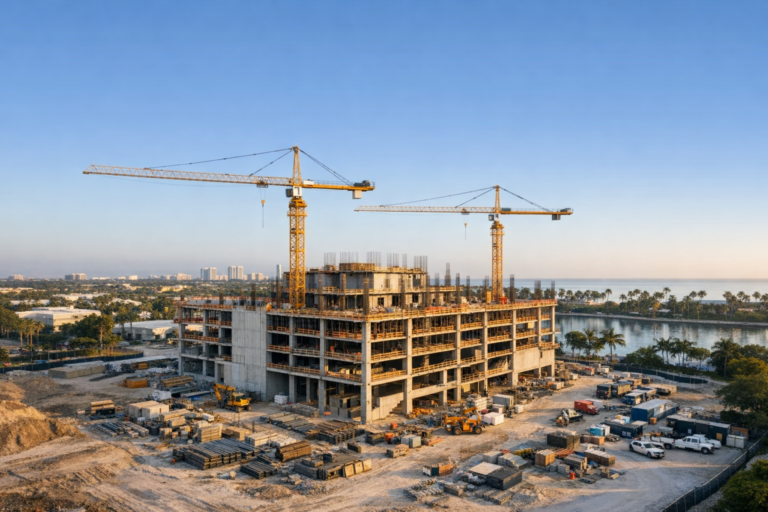
Waterfront listings often need a balanced mix of ground, elevated, and aerial perspectives. Viewers should be able to understand the property itself, the water frontage, dock or seawall conditions where visible, outdoor living areas, and the broader setting.
Drone images can show the full relationship between the property and the water, while ground-level images can capture the feeling of standing on a patio, terrace, or dock. When combined, these perspectives create a more complete and useful presentation.
Practical Ways to Prepare a Property for Photography
Preparation has a major impact on final image quality. The camera can only capture what is present, so small details should be addressed before the photographer arrives.
- Clean windows, glass doors, exterior surfaces, and common areas that will appear in photos.
- Remove temporary signage, trash bins, maintenance equipment, and unnecessary vehicles when possible.
- Open blinds and turn on appropriate interior and exterior lighting.
- Arrange outdoor furniture neatly and remove clutter from pool decks, patios, balconies, and courtyards.
- Schedule landscaping, pressure cleaning, or exterior touch-ups before the shoot when feasible.
- Confirm access to rooftops, amenity areas, gates, parking areas, and management-controlled spaces.
- Notify staff, tenants, or security teams if drone work or exterior photography will occur.
For commercial properties, it is also helpful to identify the most important marketing priorities ahead of time. If the goal is leasing, the photographer may focus on visibility, parking, entrances, and tenant spaces. If the goal is investment sales, the imagery may need to emphasize site scale, surrounding development, access, and asset condition.
Common Mistakes That Weaken Listing Photography
Many property photos fail because they document the space without explaining it. A technically sharp image can still be ineffective if it misses the story buyers or tenants need to understand.
Common issues include photographing only interior rooms, ignoring exterior context, shooting at the wrong time of day, using angles that distort the property, overlooking access and parking, or relying on too few images to communicate a complex site.
Another mistake is treating aerial photography as an add-on rather than part of the marketing strategy. Drone images should have a purpose. They should answer questions, highlight strengths, and provide context that ground photography cannot.
How to Choose a Property Photography Partner
When hiring a photography team for a South Florida listing, look for more than camera equipment. The right partner should understand real estate marketing, commercial site documentation, safe drone operations, and how visual assets will be used across different platforms.
Ask whether the drone pilot is FAA Part 107 certified for commercial operations. Discuss the property type, target audience, must-capture features, access restrictions, and delivery needs. A professional team should be able to explain how they will approach the shoot, what conditions may affect the schedule, and which perspectives will best support your marketing goals.
Skyview Motions works with businesses, real estate professionals, developers, construction teams, and property stakeholders throughout South Florida to create professional drone photography and videography for commercial use. The focus is always on clear, useful visuals that help viewers understand the property and its surrounding environment.
FAQ
What is the difference between standard property photography and lifestyle property photography?
Standard property photography typically focuses on documenting rooms, exteriors, and main features. Lifestyle property photography goes further by showing context, surroundings, amenities, outdoor spaces, and the experience of the location. In South Florida, that often includes water, landscaping, walkability, views, recreational areas, and neighborhood setting.
Is drone photography useful for every property listing?
Drone photography is especially useful when location, land size, waterfront access, site layout, parking, views, or surrounding amenities matter to the buyer or tenant. It may be less necessary for small interior-only spaces, but for many commercial, luxury, multifamily, and development listings, aerial imagery adds important context.
When is the best time to photograph a South Florida property?
The best time depends on how the property faces, the features being highlighted, and the desired look. Early morning and late afternoon often provide softer light, while some commercial properties may benefit from brighter daytime conditions. A professional photographer should recommend timing based on the specific site.
Do commercial drone photos require a licensed pilot?
For commercial drone work in the United States, the drone pilot should hold an FAA Part 107 remote pilot certificate. This helps ensure the operation is being conducted under the appropriate commercial drone rules and with attention to airspace and safety requirements.
How should I prepare a commercial property before a photo shoot?
Clean and organize visible areas, remove unnecessary vehicles or equipment when possible, coordinate access to key spaces, notify security or tenants, and identify the most important features to capture. For aerial work, make sure outdoor areas are ready and any site restrictions are communicated in advance.
Turning a Listing Into a Clear Visual Story
Professional photography can help a listing stand out, but its real value is clarity. It shows people what the property offers, how it functions, and why the surrounding lifestyle or location matters. In South Florida, where outdoor space, views, access, and atmosphere often influence decisions, that clarity can make a meaningful difference.
The strongest listing visuals combine attractive composition with practical information. They capture the building, the site, the amenities, the surrounding area, and the experience of being there. When ground photography and professional drone imagery work together, they create a complete visual story that helps buyers, tenants, and stakeholders make more informed decisions.
If you are preparing to market a commercial property, development, construction project, or high-value listing in South Florida, Skyview Motions can help you plan photography and aerial visuals that present the property with accuracy, professionalism, and impact.