Renovation projects are full of moving parts. Existing conditions have to be protected, demolition has to be verified, trades often overlap, and owners need to understand what is happening even when they cannot be on site. Renovation progress photography gives project teams a clear, organized visual record from the first walkthrough to final completion.
For commercial renovations, visual documentation is more than a marketing asset. It helps owners, contractors, architects, engineers, property managers, and investors see work in context. A well planned photo program can show what changed, when it changed, how the site was managed, and whether the project is moving according to plan.
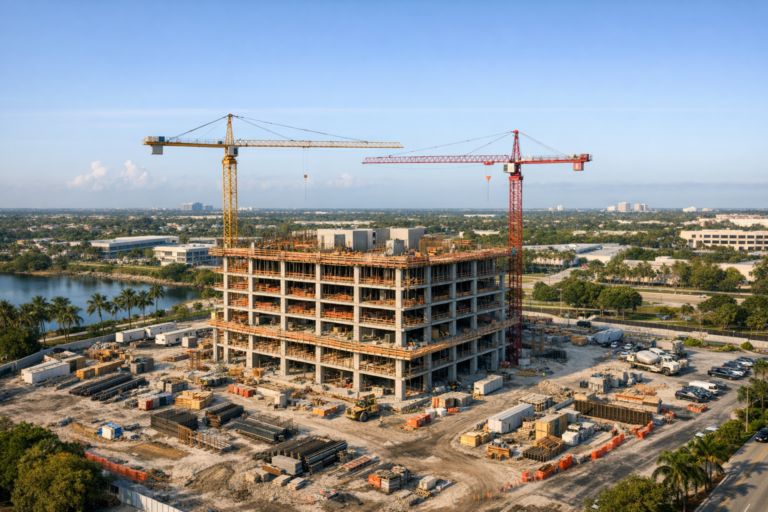
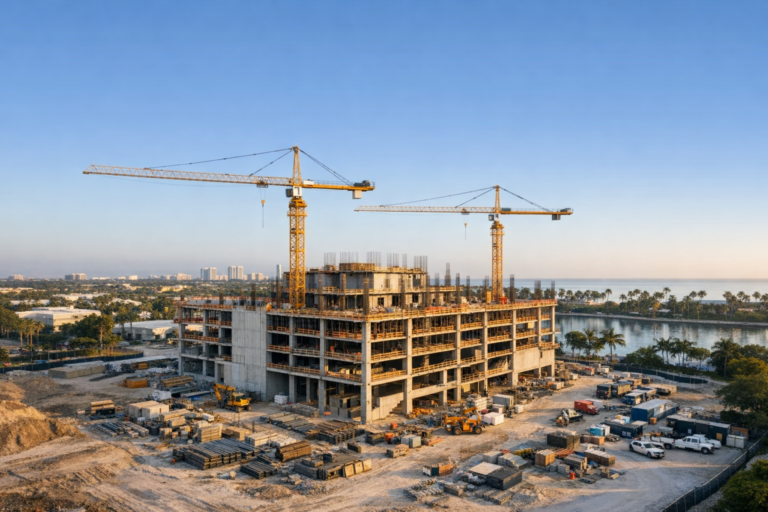
Professional drone and ground photography are especially valuable on renovation projects because they capture both the big picture and the critical details. Aerial views show roof work, exterior improvements, access constraints, staging areas, parking impacts, and site logistics. Ground level images document interiors, facade details, storefront changes, structural openings, equipment placement, and work that may later be covered by finishes.
Why Renovation Projects Need Better Visual Documentation
New construction usually starts from a cleared site or defined foundation. Renovations are different. Teams are modifying an existing asset, often while dealing with unknown conditions, limited access, older building systems, tenant coordination, and occupied spaces. Without accurate visual records, it becomes harder to explain decisions, verify completed work, and resolve questions later.
Progress photos help create a reliable timeline. They show the condition of the property before work begins, the sequence of demolition and construction, and the status of the project at regular intervals. When questions come up about what was installed, removed, protected, delayed, or damaged, a dated image library can provide context that written notes alone may not capture.
This is particularly useful for commercial property upgrades, retail buildouts, multifamily renovations, hospitality improvements, warehouse conversions, office renovations, and exterior rehabilitation projects. In each case, the work is tied to business goals, deadlines, budgets, and stakeholder expectations. Clear photography helps everyone make decisions from the same set of facts.
What Renovation Progress Photography Should Capture
Effective documentation is not just taking random pictures whenever someone remembers. The best results come from a repeatable plan that captures the right areas at the right time from consistent perspectives.
Existing Conditions Before Work Begins
Pre-renovation photographs establish a baseline. These images may include the building exterior, roof areas, parking lots, entrances, mechanical areas, interior spaces, finishes, utilities, landscaping, drainage conditions, and neighboring property lines. For commercial properties, before photos are useful for confirming the starting point and showing the transformation once the renovation is complete.
Demolition and Discovery
Demolition often exposes conditions that were not visible during planning. Progress photos can document removed materials, uncovered structural elements, wall cavities, roof conditions, slab cuts, utility reroutes, and areas requiring additional review. These records are helpful when owners, design teams, and contractors need to evaluate changes or explain why a scope adjustment may be necessary.
Milestone Construction Phases
Renovation teams should document major milestones such as framing, roofing, waterproofing, facade work, window installation, mechanical upgrades, paving, hardscape improvements, exterior painting, and interior buildout. Capturing these phases before they are concealed by finishes can be valuable for future maintenance and project closeout records.
Site Logistics and Access
Aerial photography is especially helpful for showing how a renovation site is being managed. Drone images can capture material staging, equipment placement, pedestrian access, traffic flow, temporary fencing, loading areas, parking impacts, and safety separation from active business operations. This is important for properties that remain partially open during construction.
Final Completion and Marketing Assets
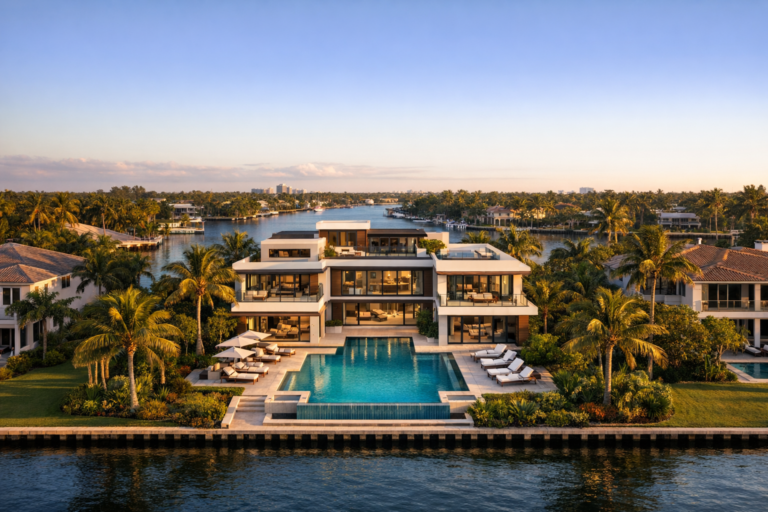
Once the work is complete, professional photography provides the finished visuals owners and marketing teams often need for leasing, sales, investor updates, public relations, and portfolio documentation. The final images are more powerful when they can be compared with consistent before and during photos.
How Drone Photography Improves Renovation Documentation
Drones add perspective that is difficult or inefficient to capture from the ground. For renovation projects, this perspective can be especially valuable because many important changes happen across roofs, facades, parking areas, courtyards, waterfront edges, and large commercial sites.
Aerial photography can show the relationship between the renovated building and the surrounding property. It helps stakeholders understand how exterior improvements connect with site work, landscaping, signage areas, access routes, stormwater features, and neighboring structures. For developers and property managers, this broader context can make project updates easier to understand.
Drone imagery is also useful for recurring progress comparisons. When flights are planned from similar angles and altitudes, project teams can compare changes over time. This can be helpful in owner reports, investor presentations, construction meetings, and internal documentation.
In South Florida, drone planning also requires attention to weather, wind, changing light, nearby airports, controlled airspace, populated areas, and site safety. A professional commercial drone operator should understand FAA Part 107 requirements, preflight planning, airspace considerations, and how to coordinate with active jobsites without disrupting work.
Ground Photography Still Matters
Drone images are powerful, but they should not replace ground photography. Renovation documentation is strongest when aerial and ground perspectives work together.
Ground photos capture details that drones are not suited for, especially indoors or near sensitive work areas. These may include finish conditions, room layouts, fixture placement, ceiling work, mechanical equipment, electrical rooms, storefront details, waterproofing transitions, and field conditions that require close inspection by project teams.
For many renovation projects, the ideal documentation plan includes a combination of wide aerial views, exterior ground views, interior progress images, and detail photos. This layered approach gives stakeholders both context and evidence.
Benefits for Owners, Contractors, and Project Teams
Clearer Communication
Progress photos reduce confusion. Instead of relying only on written updates, teams can see what has happened. This helps owners who are not on site daily, executives managing multiple properties, and consultants who need quick visual context before making decisions.
Stronger Accountability
Photography creates a visual timeline of work. While it does not replace contracts, inspections, or formal project controls, it can support accountability by showing the condition of specific areas at specific points in time.
Better Decision Making
Renovation projects often require fast decisions. Photos help stakeholders evaluate existing conditions, compare options, and understand field constraints without waiting for everyone to visit the site in person.
More Useful Project Records
When the project is complete, an organized image library becomes part of the property record. It can support future maintenance, tenant improvements, insurance documentation, capital planning, and marketing needs.
How Often Should Renovation Progress Photos Be Taken?
The right schedule depends on the project size, pace, and risk level. A small interior renovation may only need photography at the start, key milestones, and completion. A major commercial renovation may benefit from weekly, biweekly, or monthly documentation.
Frequency should be based on meaningful changes. If demolition, framing, roofing, exterior work, and finish installation are happening quickly, more frequent photography may be appropriate. If work is slower or focused on details that are not visually changing every week, a milestone based approach may be more efficient.
Before the project starts, teams should decide which areas will be photographed, which angles matter most, who needs access to the images, and how the files should be organized. A consistent naming and delivery structure makes the photos easier to use later.
Practical Tips for Better Renovation Photo Documentation
Start with a shot list. Identify the most important areas before the first visit, including elevations, roof sections, entrances, common areas, mechanical spaces, tenant areas, parking lots, and any known risk points.
Use consistent angles whenever possible. Repeating the same aerial and ground perspectives makes progress easier to compare over time. This is especially useful for exterior transformations, roof work, and site improvements.
Document before covering work. If walls, ceilings, roofs, or underground areas will conceal completed work, photograph them before they are hidden. These images may be useful long after the renovation is finished.
Coordinate with the site team. Photography should be scheduled around safety requirements, access restrictions, active lifts, deliveries, and work that should not be interrupted. On active jobsites, safety and communication come first.
Organize files immediately. Photos are far more useful when they are labeled by date, location, phase, or area. A large folder of unorganized images can become difficult to search when deadlines are tight.
What to Look for in a Professional Drone Photography Partner
When hiring a company for renovation documentation, look for more than someone who can take attractive aerial photos. The provider should understand commercial jobsite environments, construction schedules, safety coordination, and the importance of repeatable documentation.
A qualified drone partner should operate under FAA Part 107 when performing commercial drone work, carry appropriate business practices for commercial projects, communicate clearly with the site team, and understand how to capture useful documentation rather than only dramatic visuals.
For South Florida projects, local experience matters. Weather patterns, dense commercial corridors, coastal properties, airport-adjacent areas, and urban jobsite constraints can all affect planning. A professional approach helps keep the photography process efficient, compliant, and respectful of the active work environment.
Frequently Asked Questions
Is renovation progress photography only for large projects?
No. Large projects often need more frequent documentation, but smaller renovations can benefit as well. Even a retail buildout, office renovation, or exterior facade update can require before, during, and after photos for owners, managers, and marketing teams.
Can drone photography be used for interior renovation documentation?
Drone photography is primarily useful for exterior, roof, and site context. Interior documentation is usually best handled with professional ground photography. Many projects benefit from both approaches.
How are progress photos different from final marketing photos?
Progress photos are meant to document the work as it happens. They prioritize clarity, consistency, and timeline value. Final marketing photos are created after completion and are typically focused on presenting the finished property in its best light.
Do progress photos replace inspections?
No. Photography does not replace required inspections, professional evaluations, or code compliance processes. It supports documentation by providing visual records that can help teams communicate and understand field conditions.
What should be included in a renovation photo deliverable?
A useful deliverable should include organized images captured on the scheduled date, with views that match the agreed shot list. Depending on the project, deliverables may include aerial photos, ground photos, before and after comparisons, or visual updates for presentations.
Build a Clear Visual Record From Start to Finish
Renovation progress photography helps project teams protect the value of their work by creating a clear, organized record of change. It supports communication, documents existing and evolving conditions, and gives owners and stakeholders a better way to understand the project without being on site every day.
For commercial renovation projects in South Florida, Skyview Motions provides professional drone and ground photography designed to document progress with clarity, consistency, and practical value. If your team needs reliable visual records for an upcoming renovation, professional progress photography can help you see the full story from the first phase to final completion.