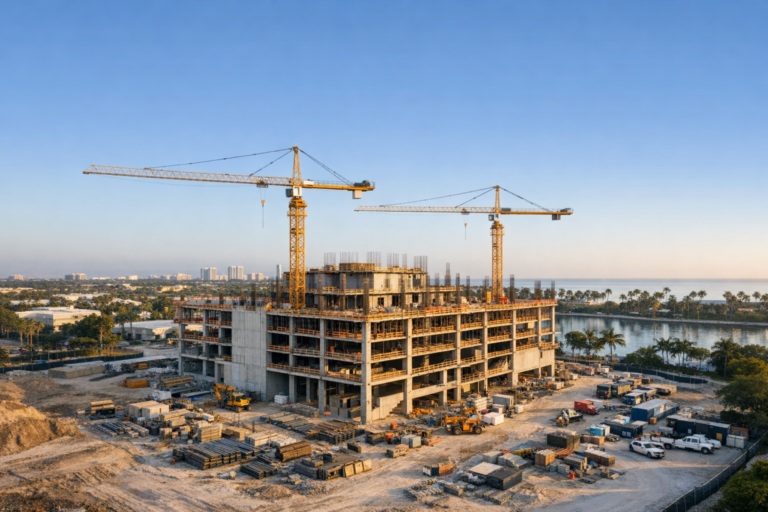
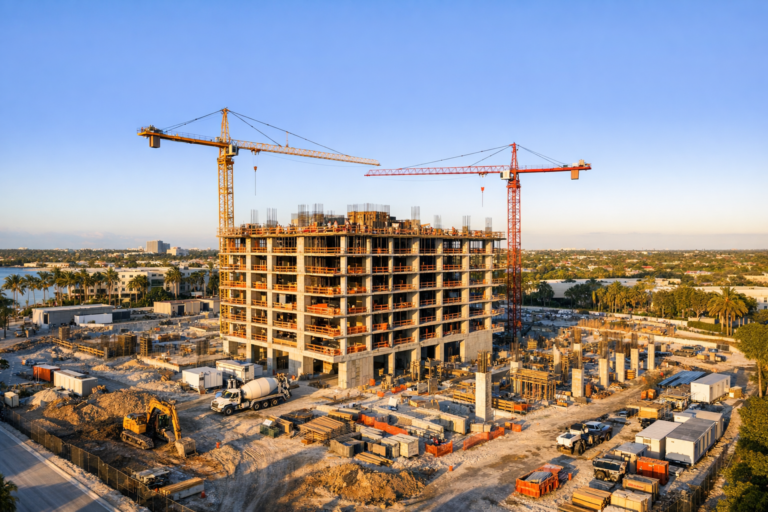
For builders, the way a project is presented can shape how clients, investors, owners, and stakeholders perceive the entire construction process. Ground-level photos still matter, but they rarely tell the full story of a job site. Aerial imagery gives builders a broader, cleaner, and more impressive way to communicate progress, scale, organization, and momentum.
That is why builder drone photography South Florida companies rely on is no longer viewed as a luxury. It has become a practical tool for client updates, marketing, documentation, and project communication. In a region filled with waterfront developments, commercial properties, dense urban areas, and visually competitive real estate, professional drone photography helps builders show their work with clarity and confidence.
The strongest results come from more than simply flying a drone over a site. Effective construction drone photography requires planning, safety awareness, consistent angles, proper timing, and an understanding of what builders actually need to communicate.
Why Drone Photography Matters for South Florida Builders
Construction clients want to see progress. Owners want confidence that the project is moving forward. Developers need visuals they can share with partners. Marketing teams need compelling images that show the value of the finished project before it is complete.
Drone photography helps satisfy all of those needs because it captures the entire site in context. Instead of isolated views of walls, equipment, or interior work, aerial images can show how a structure sits on the parcel, how far exterior work has advanced, how surrounding infrastructure connects, and how the property relates to nearby roads, water, neighborhoods, or commercial corridors.
In South Florida, that context is especially valuable. A development near the Intracoastal, a retail site along a busy roadway, or a multifamily project in a growing downtown area gains meaning when seen from above. Drone images give clients a perspective they cannot get from a site walkthrough or a standard progress report.
How Builders Use Drone Photography to Impress Clients
Professional aerial photography can make a construction update feel more polished, transparent, and organized. It allows builders to present progress visually instead of relying only on written summaries or ground-level snapshots.
Showing the Full Scope of the Project
One of the biggest advantages of drone photography is its ability to show scale. Aerial images can capture the footprint of the building, staging areas, access points, completed sections, active work zones, and surrounding property conditions in a single frame.
For clients who are not on site every week, this can be extremely helpful. A well-composed aerial image allows them to understand how much work has been completed and how the project is developing as a whole. It also helps stakeholders who may not be familiar with construction details quickly grasp the condition of the site.
Creating More Professional Progress Updates
Many builders send weekly or monthly updates to owners, developers, lenders, consultants, or internal leadership teams. Drone photography elevates those updates by adding clear, consistent visuals that support the written information.
Instead of attaching casual cellphone photos from different angles each time, builders can provide a polished visual record captured from planned perspectives. Consistency makes it easier to compare one phase to the next and gives clients confidence that the construction team is organized and attentive to detail.
Highlighting Milestones
Drone photography is especially useful at major construction milestones. Site clearing, foundation work, vertical construction, roofing, exterior completion, parking lot installation, landscaping, and final delivery are all stages that can be documented effectively from the air.
These milestone images can be used in client presentations, investor updates, internal reports, press materials, and marketing campaigns. They also give builders a visual archive of the project from start to finish.
Making Complex Sites Easier to Understand
Some job sites are difficult to explain with ground-level photos alone. Large commercial developments, multi-building projects, industrial sites, and phased construction areas can be visually complex.
A drone can show relationships between different areas of the site, including completed work, current activity, parking, drainage features, road access, and neighboring structures. This bird’s-eye perspective can reduce confusion and help clients understand how all the pieces fit together.
What Clients Notice in Professional Drone Images
Clients may not always describe it in technical terms, but they notice when images look professional. They also notice when images look rushed, poorly framed, inconsistent, or unsafe.
Strong construction drone photography typically has a few qualities in common. The site is clearly framed. Important project elements are easy to identify. Lighting is natural and flattering. The horizon is level. The image is sharp. The angle is intentional. The photo tells a useful story about the project instead of simply showing that a drone was in the air.
Professional drone imagery also avoids unnecessary distractions. A good construction photographer understands how to frame the site in a way that is useful for the builder while still making the project look organized and presentable.
Drone Photography as a Client Communication Tool
For builders, drone photography is not only about attractive images. It is a communication tool. Used correctly, it can support smoother conversations and better-informed decisions.
Reducing the Need for Frequent Site Visits
Not every client, owner, or investor can visit a South Florida job site regularly. Some stakeholders may be located out of town, while others may simply have limited availability. Aerial progress images give them a clear understanding of the site without needing to be physically present.
This does not replace inspections, official reports, or professional field reviews, but it can make routine communication more efficient and visual.
Supporting Meetings and Presentations
Builders can use drone images in owner meetings, project review sessions, sales presentations, and internal planning discussions. Aerial visuals help teams point to specific areas, explain sequencing, and show project momentum.
For example, a builder can use a recent aerial photo to discuss site access changes, exterior shell progress, parking area preparation, or landscaping coordination. The image becomes a shared reference point that makes the conversation easier for everyone involved.
Building Trust Through Transparency
Clients appreciate visibility. When builders provide regular visual documentation, it signals professionalism and transparency. It shows that the construction team is willing to keep stakeholders informed throughout the process.
This can be particularly valuable for long projects where clients may not see dramatic change every day. A consistent aerial record helps demonstrate progress over time, even when some work is less obvious from the ground.
Marketing Benefits for Builders and Developers
Drone photography can serve both current project communication and future business development. A builder’s completed project portfolio is one of its most important sales tools, and aerial images can make that portfolio stronger.
High-quality aerial photos help show finished buildings in context, including their location, access, surrounding environment, exterior design, parking, landscaping, and proximity to nearby amenities. For commercial real estate and development projects, that larger context can be just as important as the building itself.
Builders can use professional drone images for websites, capability decks, proposals, social media, trade show materials, print collateral, and case study visuals. The best images do more than look attractive; they help a prospective client understand the builder’s experience with project type, scale, and execution.
Why Consistency Matters in Construction Progress Photography
One of the most valuable parts of ongoing drone coverage is consistency. If each flight captures the site from similar angles and elevations, the images become far more useful over time.
Consistent photo sets allow builders and clients to compare progress clearly from month to month. Site work, structural changes, exterior finishes, paving, and landscaping become easier to track. Without consistency, progress photography can feel random and less helpful.
A professional drone provider should understand the importance of repeatable views, planned shot lists, and organized delivery. Builders should consider creating a standard photo plan for each project so that the most important views are captured every time.
What Builders Should Plan Before Scheduling Drone Photography
The best aerial results usually come from a little preparation. Before scheduling a drone photography session, builders should identify the purpose of the shoot and the most important areas to capture.
Define the Intended Use
A progress update may require different images than a marketing campaign. A lender report may need wide documentation shots, while a website portfolio may call for more polished hero images. Clarifying how the images will be used helps the drone photographer capture the right mix of practical and promotional visuals.
Choose the Best Timing
Lighting and site activity matter. Early morning or late afternoon often provides more flattering natural light, though the ideal timing depends on the site orientation, surrounding buildings, weather, and project schedule. In South Florida, weather should also be considered carefully, especially during periods of heavy rain, strong winds, or fast-changing afternoon storms.
Coordinate Site Access and Safety
Construction sites are active environments. A professional drone operation should account for workers, equipment, cranes, vehicles, overhead obstructions, and nearby properties. Builders should provide relevant site details so the remote pilot can plan a safe and compliant operation.
Commercial drone operations should be conducted by an FAA Part 107 certified remote pilot. This matters because construction sites involve real business use, and professional operators are expected to understand airspace, weather limitations, flight restrictions, and safe operating procedures.
Create a Shot List
A shot list helps ensure that the most important views are captured. Builders may request overall site views, specific building elevations, roof progress, parking areas, access roads, staging zones, completed exterior elements, or surrounding context. The more clearly these priorities are communicated, the more useful the final photo set will be.
What Separates Professional Drone Photography from Casual Drone Photos
Many people can fly a drone, but professional construction photography requires more than basic flight ability. Builders need images that are safe, usable, well composed, properly exposed, and delivered in a format that supports business use.
A professional drone photographer understands how to capture a site from angles that are both informative and visually strong. They know how to avoid distorted perspectives, harsh backlighting, cluttered compositions, and inconsistent framing. They also understand that construction imagery often has more than one purpose: documentation, communication, and marketing.
Reliability is also important. Builders are often working around schedules, client meetings, milestone dates, and weather windows. A dependable drone service helps keep visual documentation on track.
How Skyview Motions Supports South Florida Builders
Skyview Motions provides FAA Part 107 certified commercial drone photography and videography for builders, developers, contractors, property teams, and commercial real estate professionals throughout South Florida. Our work focuses on producing clear, polished, and practical aerial visuals that help businesses communicate progress and present projects professionally.
For builders, that means more than capturing attractive aerial views. It means understanding the purpose behind the images, planning around construction conditions, emphasizing important project details, and delivering visuals that can be used in updates, presentations, documentation, and marketing materials.
Whether a project needs one-time milestone photography or recurring construction progress coverage, the goal is the same: help the builder show the work accurately, confidently, and professionally.
FAQ About Builder Drone Photography in South Florida
How often should builders schedule drone photography?
The right schedule depends on the project and how the images will be used. Many builders choose monthly progress photography, while others schedule flights around major milestones such as site clearing, foundation completion, vertical construction, roof installation, exterior completion, or final delivery.
Can drone photography replace traditional progress documentation?
Drone photography should be viewed as a valuable supplement, not a complete replacement for required documentation, inspections, or project records. Aerial images provide context and visual clarity, but builders may still need ground-level photos, reports, inspection records, and other formal documentation.
Is drone photography useful for smaller construction projects?
Yes. Even smaller commercial projects can benefit from aerial views, especially when a builder wants to show site layout, access, surrounding context, exterior progress, or completed work for marketing purposes.
What makes South Florida drone photography different?
South Florida presents unique considerations, including coastal environments, dense urban areas, controlled airspace in some locations, seasonal weather patterns, and visually competitive commercial real estate markets. Working with an experienced commercial drone provider helps builders plan around these conditions.
Do commercial construction drone flights require a licensed pilot?
Commercial drone operations in the United States generally require an FAA Part 107 certified remote pilot. Builders should work with a qualified professional who understands safety, airspace awareness, operational limitations, and the needs of commercial job sites.
Conclusion
Drone photography gives South Florida builders a powerful way to impress clients while also improving communication, documentation, and marketing. The best aerial images do more than look impressive. They help clients understand progress, see the full scope of the work, and feel more confident in the project team.
For builders competing in a visually driven market, professional drone photography can strengthen how projects are presented from the first phase through final completion. With thoughtful planning, consistent coverage, and an experienced FAA Part 107 certified drone provider, aerial imagery becomes a practical asset throughout the construction process.
If your team needs clear, professional aerial visuals for a South Florida construction project, Skyview Motions can help you plan and capture drone photography that supports client updates, project documentation, and long-term marketing goals.