Drone progress reporting has become one of the most useful visual documentation tools for construction teams, developers, owners, and project stakeholders. A well-planned aerial reporting schedule can help teams verify progress, communicate clearly, reduce confusion, and maintain a reliable visual record from groundbreaking through completion.
One of the most common questions is whether weekly or monthly reporting makes more sense. The answer depends on the pace of the project, the number of stakeholders, the level of documentation needed, and how quickly site conditions change. Choosing the wrong cadence can either leave decision-makers without enough visibility or create more content than the project truly needs.
This guide compares weekly vs monthly drone progress reports in practical terms so you can choose the right schedule for your project, budget, and communication goals.
What Is a Drone Progress Report?
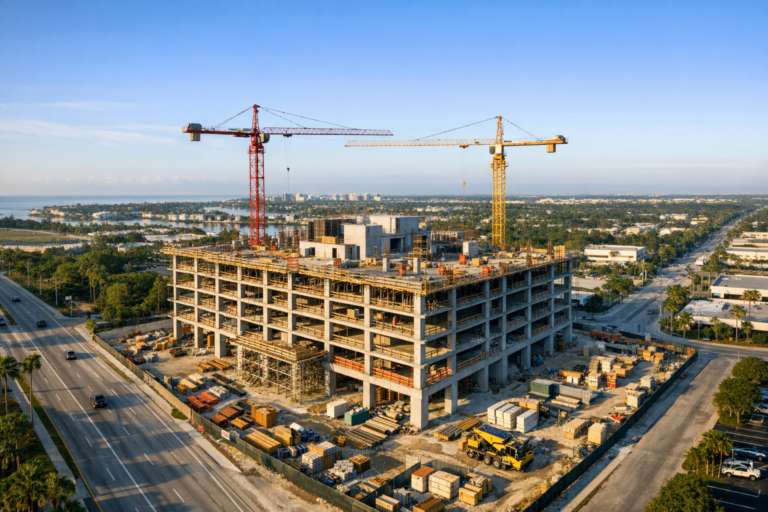
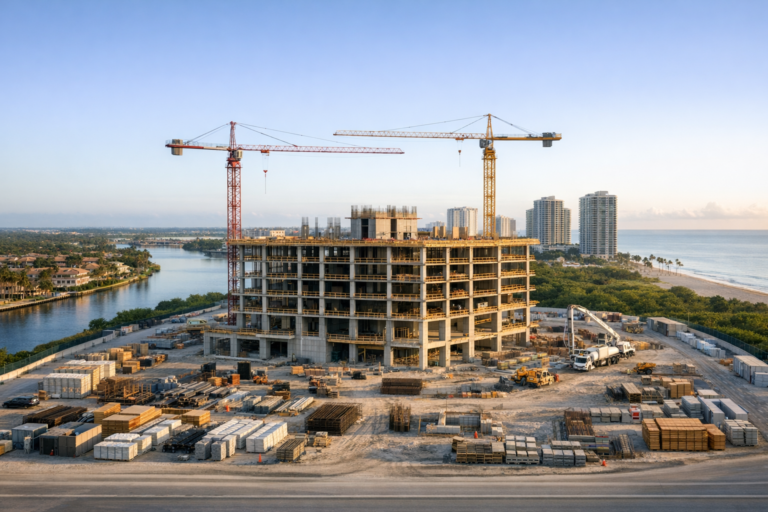
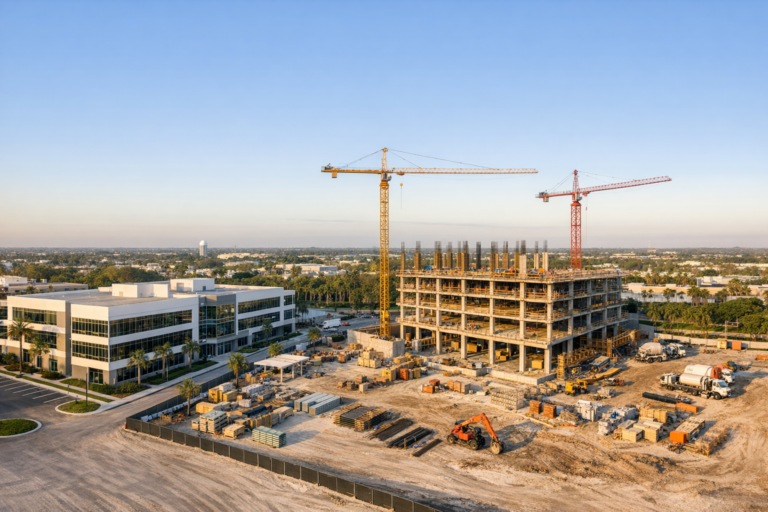
A drone progress report is a structured set of aerial images and video captured at regular intervals to document construction activity, site conditions, and overall project development. Depending on the scope, a report may include wide overview photos, vertical top-down images, oblique angles, short video clips, edited progress videos, and consistent recurring viewpoints that make changes easy to compare over time.
For commercial construction, the value is not just in the visuals. The value is in consistency. When flights are captured from similar angles and at planned intervals, project teams can compare phases, verify major milestones, review logistics, and communicate progress without relying only on ground-level photos or written updates.
Weekly Drone Progress Reports: Best for Active, Fast-Moving Projects
Weekly drone progress reports are ideal when the site is changing quickly and decisions need to be made often. On active commercial construction projects, major visible changes can happen in a matter of days. Site grading, foundation work, vertical construction, roofing, paving, utility installation, staging, and exterior improvements can all benefit from frequent aerial documentation.
A weekly schedule gives project teams a current view of the jobsite and creates a detailed visual timeline. This is especially useful when multiple trades are working at once or when owners, investors, lenders, architects, engineers, or remote stakeholders need regular updates.
When Weekly Reporting Makes Sense
Weekly reporting is usually the better choice when the project has an aggressive schedule, frequent milestone reviews, complex logistics, or high stakeholder involvement. It is also useful when site access is limited and decision-makers cannot visit in person regularly.
For example, a general contractor managing a commercial buildout with ongoing structural work, material deliveries, and site coordination may benefit from a weekly aerial record. The photos and video can help show how the project is developing, where materials are staged, how access routes are being used, and whether visible progress aligns with expectations.
Advantages of Weekly Drone Progress Reports
- More complete documentation: Weekly captures reduce the risk of missing important changes between flights.
- Better stakeholder communication: Owners and remote teams receive more frequent visual updates without needing to visit the site.
- Improved timeline visibility: A weekly record makes it easier to understand how work progressed from phase to phase.
- Useful for meetings: Current aerial imagery can support owner updates, construction meetings, and internal planning discussions.
- Stronger marketing assets: Regular photo and video captures provide more material for project announcements, social media, case studies, and completion reels.
Potential Drawbacks of Weekly Reporting
Weekly reporting is not always necessary. If a project is moving slowly or visible progress is minimal from week to week, a weekly cadence may create repetitive deliverables. It also requires a larger budget than monthly reporting and more coordination for flight scheduling, especially around weather, airspace considerations, and active site operations.
The key is to determine whether the project changes enough each week to justify the frequency. If meaningful visual progress is happening weekly, the extra documentation can be valuable. If not, another schedule may be more efficient.
Monthly Drone Progress Reports: Best for Long-Term Overview and Budget Efficiency
Monthly drone progress reports are a strong fit for projects where stakeholders need a reliable visual record but do not require frequent updates. This cadence works well for longer timelines, slower-moving phases, budget-conscious documentation plans, and projects where major changes are more visible over several weeks rather than several days.
A monthly flight can still provide a clear snapshot of progress. It can document major milestones, maintain an organized archive, and help owners or executives understand overall development without generating unnecessary volume.
When Monthly Reporting Makes Sense
Monthly reporting is often appropriate for projects in early planning, site preparation, slower construction phases, or projects where the primary need is broad documentation rather than detailed week-to-week tracking. It may also be the right option when aerial imagery is mainly needed for ownership updates, lender communication, marketing, or historical records.
For example, a developer overseeing several properties may prefer monthly drone reports to track overall progress across multiple sites. The visuals may not need to capture every operational detail, but they still provide consistent documentation and a professional way to communicate progress.
Advantages of Monthly Drone Progress Reports
- Cost-effective documentation: Monthly reporting provides consistent visibility while keeping the flight schedule lean.
- Clear milestone tracking: Larger changes are easier to see when comparing month-to-month imagery.
- Less operational coordination: Fewer flights mean fewer scheduling touchpoints with site teams.
- Good for executive updates: Monthly reports can be ideal for high-level reviews and ownership summaries.
- Efficient content management: Teams receive a manageable volume of images and videos without overwhelming stakeholders.
Potential Drawbacks of Monthly Reporting
The main limitation is that monthly reporting can miss important activity between flights. If a critical phase begins and ends within the same month, it may not be fully documented. Monthly updates may also feel too infrequent for stakeholders who want close visibility into active construction progress.
For projects with tight schedules, complex coordination, or high accountability requirements, monthly reports may not provide enough detail. In those cases, a weekly or hybrid schedule may be more appropriate.
Weekly vs Monthly Drone Progress Reports: How to Decide
The best reporting cadence is the one that matches how the project moves and how the visuals will be used. Instead of choosing based only on cost, consider the following factors.
Project Pace
If the site changes significantly every week, weekly reports provide better documentation. If the visible progress is more gradual, monthly reports may be enough. Fast-moving vertical construction, active exterior work, and major site improvements usually benefit from more frequent coverage.
Stakeholder Expectations
Projects with investors, lenders, ownership groups, public agencies, or remote executives often require consistent communication. Weekly updates can reduce the need for repeated status explanations because the visuals show progress clearly. For smaller stakeholder groups, monthly reporting may be sufficient.
Documentation Requirements
If the drone imagery will be used as part of a long-term construction record, more frequent flights create a stronger timeline. If the goal is simply to capture major milestones, monthly flights can work well.
Budget
Weekly reports require more flight time, editing time, file delivery, and project coordination. Monthly reports are more budget-friendly. However, the lowest-cost option is not always the best value if it leaves the team without the documentation they need.
Weather and Site Conditions
In South Florida, weather can change quickly, especially during rainy season. A professional drone provider should plan flexibly around wind, rain, visibility, site activity, and FAA requirements. Weekly schedules allow more frequent documentation but also require reliable coordination to capture safe, usable footage.
A Hybrid Reporting Schedule May Be the Best Option
Many projects do not need one fixed cadence from start to finish. A hybrid reporting schedule can be more practical. For example, a project may begin with monthly flights during early site preparation, shift to weekly flights during active vertical construction, and return to monthly flights as the project nears completion.
This approach helps match the documentation level to the project phase. It also keeps budgets focused where aerial reporting creates the most value. A professional drone team can help review the construction timeline and recommend a schedule based on meaningful visual milestones rather than a one-size-fits-all package.
What a Professional Drone Progress Report Should Include
Regardless of schedule, the quality of the reporting matters. A professional progress report should be consistent, organized, and easy for stakeholders to review. Random aerial photos without a repeatable plan are far less useful than a structured documentation process.
Effective reports often include consistent overview angles, top-down site images, close aerial perspectives where appropriate, short video clips, and labeled or organized file delivery. For recurring reports, matching the same vantage points over time is especially helpful because it allows teams to compare progress clearly.
Safety and compliance also matter. Commercial drone flights should be conducted by an FAA Part 107 certified remote pilot. The operator should understand airspace requirements, maintain safe distances from people and equipment, coordinate with site personnel, and avoid interfering with construction operations.
Practical Recommendation by Project Type
For active commercial construction with weekly owner meetings, weekly reporting is usually the stronger choice. For large developments where work is visible but slower-moving, monthly reporting may provide enough insight. For projects with critical milestones, consider adding extra flights around foundation pours, structural completion, roof installation, exterior completion, or final sitework.
Commercial real estate developments may benefit from monthly progress imagery for investor communication and marketing, while contractors may prefer weekly reporting during active phases to maintain a more detailed jobsite record. Event buildouts, temporary installations, and short-duration projects often require a custom schedule because the most important visual changes may happen within days.
Frequently Asked Questions
Are weekly drone progress reports worth it?
Weekly drone progress reports are worth it when the project changes quickly, stakeholders need frequent updates, or the construction team wants a detailed visual record. They may be less necessary for slower phases where little visible change occurs week to week.
Are monthly drone progress reports enough for construction projects?
Monthly reports can be enough for long-term overview documentation, executive updates, and milestone tracking. However, they may not fully capture fast-moving construction phases or short windows of important activity.
Can we change from monthly to weekly reporting during the project?
Yes. Many projects benefit from adjusting the cadence as work progresses. Monthly flights may work early on, while weekly coverage may be better during active construction or key milestone periods.
What is included in a drone progress report?
Deliverables vary by project, but reports often include aerial photos, video clips, edited videos, top-down views, wide site overviews, and repeated angles for comparison. The scope should be defined before the reporting schedule begins.
Do drone progress reports replace site inspections?
No. Drone progress reports are valuable visual documentation tools, but they do not replace required inspections or professional evaluations by qualified personnel. They support communication and documentation by providing clear aerial perspective.
Choosing the Right Drone Reporting Cadence
The choice between weekly vs monthly drone progress reports comes down to how much visibility your project needs. Weekly reporting offers more detailed documentation, stronger communication, and better tracking for fast-moving sites. Monthly reporting offers a practical, cost-effective way to maintain a reliable visual record for slower-moving or high-level updates.
For many projects, the best answer is not strictly weekly or monthly. It is a reporting plan that follows the rhythm of the jobsite. By aligning drone coverage with the construction schedule, stakeholder needs, and major milestones, you get better documentation and more useful deliverables.
Skyview Motions provides professional commercial drone photography and videography for construction progress documentation throughout South Florida. If you are planning a project and want help choosing the right reporting schedule, our team can help you build a practical drone progress plan that fits your timeline, communication needs, and budget.