Property managers in South Florida are responsible for assets that face intense sun, heavy rain, tropical storms, salt air, aging roofs, busy parking areas, and constant tenant expectations. When a building issue appears, the challenge is not only finding it, but documenting it clearly enough to make informed decisions, communicate with vendors, and maintain a reliable property record.
That is where professional drone inspections can be extremely useful. Commercial drone inspections South Florida property teams rely on can provide high-resolution aerial documentation of roofs, façades, gutters, mechanical areas, parking lots, drainage patterns, exterior amenities, and hard-to-reach building conditions without immediately sending crews onto ladders, lifts, or roof surfaces.
Drone property inspections do not replace licensed building, roofing, engineering, or structural evaluations when those are required. Instead, they give property managers a clearer visual record that helps identify concerns, prioritize next steps, request more accurate vendor proposals, and monitor conditions over time.
Why Drone Inspections Matter for South Florida Property Managers
South Florida properties experience a unique mix of environmental stress. UV exposure can accelerate roof and coating wear. Afternoon storms can reveal drainage problems. Coastal areas may see corrosion, staining, and faster exterior deterioration. Hurricane season can create urgent documentation needs before and after severe weather.
For property managers overseeing commercial buildings, multifamily communities, retail centers, industrial sites, HOAs, or mixed-use properties, visibility is often the first problem. A roof may be accessible, but walking it repeatedly can increase risk and may not capture the full picture. Façade issues may be visible from the ground only at certain angles. Drainage concerns may be difficult to understand without a broader aerial view.
A professional drone inspection gives managers a practical way to see the property from multiple elevations and perspectives. The resulting imagery can support maintenance planning, capital improvement discussions, owner reporting, insurance documentation, and vendor coordination.
What a Drone Property Inspection Can Document
A drone inspection is most valuable when it is planned around the property manager’s goals. A general aerial overview is helpful, but a targeted inspection plan produces better documentation and fewer unanswered questions.
Roof Conditions
Drones can capture detailed images and video of roof surfaces, parapet walls, edge metal, ponding water, visible staining, debris accumulation, cracked surfaces, rooftop equipment areas, vents, skylights, and drainage locations. For large commercial roofs, aerial capture helps managers understand the overall pattern of roof conditions rather than relying only on isolated ground-level observations.
Drone imagery can also help determine where a licensed roofer may need to perform a closer physical evaluation. For example, if aerial photos show repeated ponding near scuppers or staining around rooftop penetrations, the property manager can provide those visuals to a roofing contractor before the site visit.
Building Exteriors and Façades
Multi-story façades can be expensive and time-consuming to inspect from lifts or scaffolding. Drone photography can document visible cracking, staining, sealant conditions, balcony areas, exterior lighting, signage areas, stucco discoloration, paint wear, and other exterior conditions that deserve further review.
This type of documentation is especially useful for property managers responsible for annual exterior reviews, paint planning, waterproofing projects, or tenant improvement coordination.
Drainage, Grounds, and Site Conditions
South Florida rainfall makes drainage visibility important. Drone inspections can document roof drainage routes, retention areas, swales, parking lot ponding, clogged visible drainage points, erosion, landscaping impacts, and areas where water appears to collect after storms.
An aerial perspective can show patterns that are difficult to see at ground level, such as water moving toward entrances, recurring low spots in parking lots, or landscaping that may be obstructing intended drainage paths.
Common Areas and Amenities
For multifamily properties, HOAs, resorts, and commercial campuses, drone documentation can include pools, courtyards, walkways, sports courts, clubhouse areas, perimeter fences, entry features, and exterior lighting zones. This helps managers track general condition, plan improvements, and communicate needs to ownership or association boards.
Storm Preparedness and Post-Storm Documentation
Before hurricane season, drone photography can establish a visual baseline of roof, façade, grounds, and exterior asset conditions. After a storm, updated drone imagery can help document visible damage, debris, displaced materials, ponding water, or blocked access areas.
Clear before-and-after documentation can be valuable when coordinating repairs, communicating with stakeholders, and maintaining internal property records. Any insurance-related use should be handled in coordination with the appropriate insurance professionals and qualified inspectors.
Benefits Compared With Traditional Visual Checks
Traditional inspections still have an important role, especially when hands-on testing, measurements, moisture detection, or professional diagnosis is needed. However, drone documentation offers several practical advantages for property managers.
- Improved safety: Drone capture can reduce the need for immediate ladder, roof, or lift access during the initial visual documentation phase.
- Faster property overview: Large rooftops, parking lots, and building exteriors can often be documented efficiently from the air.
- Better communication: High-resolution photos and videos make it easier to explain concerns to owners, boards, vendors, and internal teams.
- Consistent records: Repeat drone flights can document changes over time from similar vantage points.
- Vendor coordination: Contractors can review visuals before visiting the property, which may help them prepare for the work scope.
- Reduced disruption: Many exterior documentation needs can be completed without entering tenant spaces or interrupting operations.
The key is understanding what drone inspections are and what they are not. Drones are excellent for visual documentation, overview imaging, and access to difficult vantage points. They are not a substitute for licensed evaluations when regulations, structural concerns, roofing warranties, or engineering decisions require a qualified professional’s onsite assessment.
What a Professional Drone Inspection Workflow Should Include
A dependable drone inspection is more than simply flying over a property. Property managers should expect a structured process that considers safety, purpose, deliverables, and operational limitations.
1. Property Goals and Inspection Scope
The process should begin with a clear conversation about what needs to be documented. Is the priority a leaking roof area, an exterior paint assessment, post-storm conditions, parking lot drainage, or a full property overview? A defined scope helps the drone operator capture the right angles, elevations, and level of detail.
2. Flight Planning and Site Awareness
Professional operators should consider property access, people and vehicle movement, nearby buildings, trees, utility lines, controlled airspace, weather conditions, and safe launch and landing areas. In South Florida, wind, rain, airport proximity, and dense urban environments can all affect flight planning.
Commercial drone operations should be conducted by an FAA Part 107 certified remote pilot. Depending on the location, airspace authorization may be required before flight. A professional provider should understand these requirements and plan accordingly.
3. Image and Video Capture
For property inspections, useful imagery typically includes wide establishing shots, mid-range contextual shots, and closer detail images of visible concerns. Video can help show continuity across larger areas, while still photos are often easier to organize and reference in reports or vendor emails.
4. Organized Deliverables
Property managers benefit most when files are organized logically. Useful deliverables may include high-resolution photos, edited inspection video, overview imagery, close-up documentation, and labeled folders by area such as roof, façade, parking lot, amenities, or storm damage. The best format depends on how the manager intends to use the documentation.
South Florida Considerations That Affect Drone Inspections
Drone property inspections in South Florida require local awareness. Weather can change quickly, especially during the rainy season. Coastal wind may affect safe capture windows. Properties near airports, helipads, or sensitive areas may require additional airspace review. Dense urban sites may have limited safe launch areas and more people nearby.
Privacy and tenant awareness also matter. A professional inspection should focus only on the agreed exterior property areas and avoid unnecessary capture of private activity. For occupied properties, managers may choose to notify tenants, building staff, or security teams before the scheduled flight to avoid confusion.
Timing is another important consideration. Early morning often provides calmer winds and cleaner light. After heavy rain, aerial documentation may better reveal drainage or ponding issues, but flight safety and weather conditions must always come first. After a storm, the property may have debris, unstable areas, or restricted access that needs to be considered before operations begin.
Questions to Ask Before Hiring a Drone Inspection Provider
Not every drone operator is prepared for commercial property inspection work. Property managers should look for a provider that understands both aerial capture and the practical documentation needs of commercial real estate and property management teams.
- Are you FAA Part 107 certified for commercial drone operations?
- Do you carry appropriate insurance for commercial drone work?
- How do you plan flights around buildings, people, vehicles, and controlled airspace?
- Can you capture both detailed inspection imagery and broader property context?
- How are files delivered and organized after the inspection?
- Do you understand the difference between visual documentation and licensed inspection findings?
- Can you schedule recurring documentation for maintenance tracking or capital projects?
The right provider should be able to explain the process clearly, set realistic expectations, and deliver imagery that is useful for decision-making rather than simply visually impressive.
How Property Managers Can Get the Most Value From a Drone Inspection
Preparation improves results. Before the flight, gather any known maintenance concerns, roof plans if available, recent work orders, tenant complaints, vendor notes, or storm-related observations. Share the exact areas that need attention, including building sections, roof zones, façades, or site features.
If the property has restricted access areas, security procedures, parking limitations, or active construction, communicate those details in advance. On larger sites, consider having a property representative available during the inspection to point out priority areas from the ground.
After receiving the imagery, use it as part of a broader maintenance process. Compare it with previous records, share relevant files with qualified vendors, document decisions internally, and schedule follow-up capture if conditions need to be monitored over time.
When Drone Inspections Are Especially Useful
Drone inspections can help in many property management situations, including pre-maintenance documentation, roof leak investigations, exterior painting and waterproofing planning, annual property reviews, post-storm assessments, construction progress monitoring, capital improvement planning, insurance claim support documentation, and owner or board reporting.
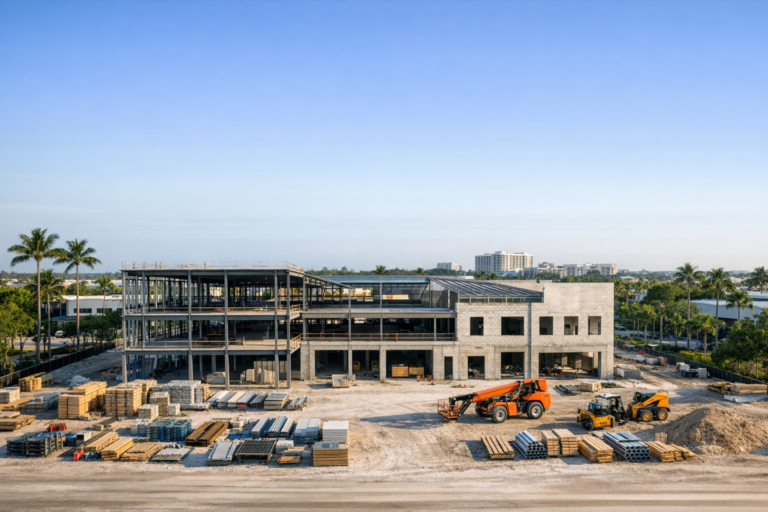
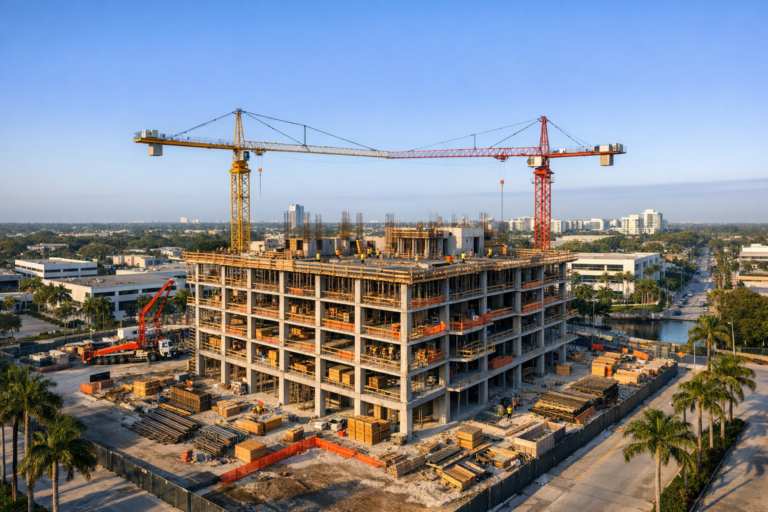
For commercial real estate managers, drone documentation can also support acquisition due diligence by providing a visual overview of exterior conditions before more detailed specialist inspections are performed. For construction managers and developers, recurring aerial documentation can track site progress, material staging, logistics, and exterior milestones.
FAQ
Are drone inspections allowed for commercial properties in South Florida?
Yes, commercial drone operations are generally allowed when conducted in compliance with applicable FAA rules. Commercial drone pilots should hold an FAA Part 107 certification, and certain locations may require airspace authorization before flight.
Can a drone inspection replace a roof inspection?
No. A drone inspection can provide valuable visual documentation of roof conditions, but it does not replace a hands-on evaluation by a qualified roofing professional when diagnosis, repair recommendations, warranty review, or code-related decisions are needed.
What types of properties benefit most from drone inspections?
Commercial buildings, multifamily communities, retail centers, industrial properties, HOAs, resorts, schools, warehouses, and construction sites can all benefit from aerial documentation, especially when roofs, façades, parking areas, or large exterior grounds need to be reviewed.
How often should property managers schedule drone inspections?
The ideal schedule depends on the property, age, maintenance needs, and risk exposure. Some managers use drone documentation annually, while others schedule it before and after hurricane season, after major storms, during capital improvement projects, or as part of recurring maintenance planning.
What should I expect to receive after a drone inspection?
Deliverables may include high-resolution photos, aerial video, organized folders by property area, and visual documentation of specific concerns. The exact package should be discussed before the inspection so the final files match your operational needs.
Making Better Property Decisions With Better Visual Information
For South Florida property managers, clear exterior documentation is more than a convenience. It supports maintenance planning, risk reduction, vendor communication, owner reporting, and faster decision-making. Professional drone inspections provide a practical way to see the full property picture without relying solely on ground-level observations or delayed access to difficult areas.
Skyview Motions provides FAA Part 107 certified commercial drone photography and videography for property managers, commercial real estate professionals, developers, contractors, and businesses across South Florida. If your team needs reliable aerial documentation for roofs, façades, exterior assets, storm conditions, or ongoing property records, Skyview Motions can help capture the visuals you need to move forward with confidence.