Owners and investors do not always have the ability to walk a jobsite in person. They may be based in another city, managing multiple properties, traveling frequently, or relying on project teams to summarize what is happening on the ground. That distance can create uncertainty, especially when decisions involve schedules, budgets, funding draws, tenant commitments, or stakeholder reporting.
Well-planned progress photos help close that gap. When captured consistently, organized clearly, and delivered on a reliable schedule, construction progress updates give remote stakeholders a direct visual understanding of how a project is moving forward. They make it easier to see completed work, compare changes over time, identify visible site conditions, and ask better questions before small issues become larger concerns.
For owners, developers, investors, lenders, architects, contractors, and property managers, progress photography is more than a marketing asset. It is a practical communication tool that supports accountability, transparency, and informed decision-making throughout the life of a project.
Why Visual Progress Updates Matter for Remote Stakeholders
Construction projects involve many moving parts. Schedules shift, trades overlap, materials arrive in stages, and site conditions can change quickly. Written reports are important, but they can be difficult to interpret without visual context. A line item stating that roofing is underway or exterior framing is complete may not fully explain where the work stands, how much has been completed, or what remains visible on site.
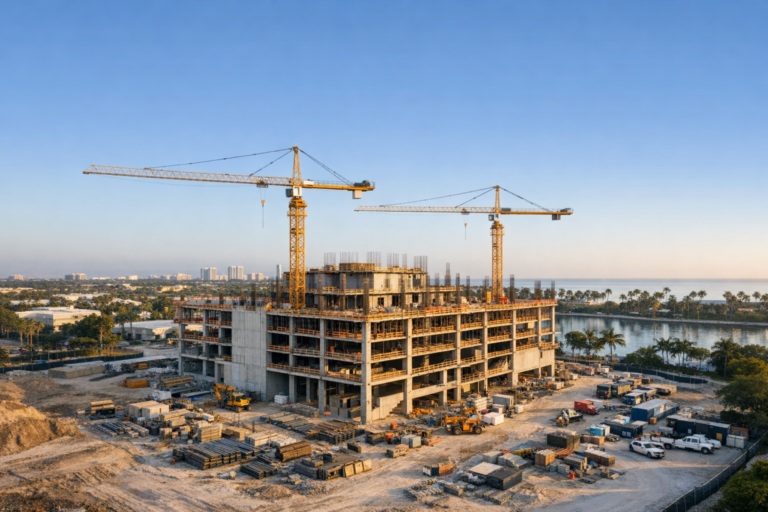
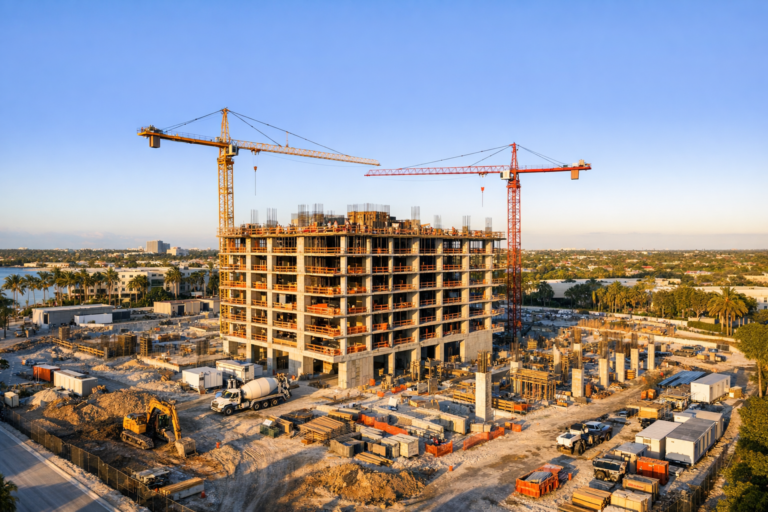
Progress photos provide that context. A single aerial image can show the relationship between the structure, staging areas, parking, access roads, neighboring properties, and surrounding infrastructure. Ground-level images can document details such as facade progress, entry areas, site logistics, equipment placement, and finished surfaces.
For an owner reviewing the project from another state, or an investor checking on a development between formal meetings, consistent imagery helps answer basic but important questions: What changed since the last update? Does the site appear organized? Are major milestones visually apparent? Are there visible constraints that may affect the next phase of work?
What Effective Construction Progress Updates Should Include
Not every set of project photos is equally useful. Random snapshots taken from different angles at inconsistent intervals can create confusion instead of clarity. Effective construction progress updates are planned, repeatable, and aligned with how stakeholders actually review the project.
Consistent aerial viewpoints
Drone photography is especially valuable because it can capture the full jobsite from repeatable perspectives. Consistent angles make it easier to compare one update to the next. Over time, owners can see the building footprint take shape, vertical construction advance, site work evolve, and surrounding areas transition from rough grading to finished access and landscaping.
For larger commercial sites, aerial views can also show staging zones, material storage, equipment movement, traffic patterns, and proximity to adjacent roads or properties. This broad perspective is difficult to achieve from the ground alone.
Ground-level detail images
Aerial images tell the overall story, but ground-level photos add detail. They may show storefront work, equipment pads, doors, loading areas, sidewalks, parking lots, interior access points, common areas, or specific exterior elevations. Combining drone photography with ground documentation gives stakeholders both a wide view and a closer look at key project components.
Repeatable capture schedule
The most useful progress photography happens on a schedule. Weekly, biweekly, or monthly updates can all be appropriate depending on the project size, phase, and stakeholder needs. Fast-moving construction may benefit from more frequent documentation, while slower phases may require less frequent updates.
The key is consistency. When photos are captured at predictable intervals, teams can track visible changes more accurately and maintain a reliable project record.
Organized delivery
Photos should be easy to review. Clear folders, date labeling, location references, and logical sequencing help owners and investors quickly understand what they are seeing. If stakeholders have to search through unorganized files, the value of the update drops quickly.
How Progress Photos Improve Owner and Investor Communication
Construction communication often depends on trust between the project team and stakeholders. Progress photos support that trust by giving everyone a shared visual reference. Instead of relying only on verbal updates, meeting notes, or spreadsheets, teams can point to current images and discuss what is visible.
This reduces ambiguity. For example, if a contractor reports that exterior paving has started, aerial and ground photos can show which areas have been completed, which areas remain open, and how access routes are being managed. If a developer needs to brief investors before a meeting, current images can help communicate progress more clearly than a written summary alone.
Photos also create a helpful record for future reference. When stakeholders want to look back at when a phase was completed or how the site looked before a specific installation, dated imagery can support that review. While progress photos are not a substitute for formal inspections or contractual documentation, they are a valuable supplement to the broader project communication process.
Why Drone Photography Is Especially Valuable for Construction Updates
Drone photography has become a practical tool for construction teams because it captures perspectives that are difficult, time-consuming, or unsafe to obtain otherwise. Aerial images can show the full context of a commercial site in a single view, including the building, laydown areas, site access, stormwater features, parking, and surrounding roads.
For South Florida projects, this context can be particularly helpful. Dense commercial corridors, coastal properties, urban infill sites, and active mixed-use developments often have limited ground visibility. A drone can document how the site relates to neighboring properties and infrastructure without requiring stakeholders to physically walk the entire perimeter.
Professional drone operations also matter. Commercial drone work should be performed by an FAA Part 107 certified remote pilot who understands airspace considerations, weather limitations, site safety, privacy concerns, and coordination with active construction operations. The goal is to capture useful imagery without disrupting work or creating unnecessary risk.
Practical Ways Owners and Investors Use Progress Photos
Progress imagery can support several real-world business needs throughout a construction project.
Remote project review
Owners who cannot visit the site regularly can review current conditions from anywhere. This is especially useful for multi-market investors, out-of-state ownership groups, and executives overseeing several projects at once.
Milestone verification
Photos can help stakeholders visually confirm major stages such as site clearing, foundation work, vertical construction, roofing progress, exterior completion, paving, landscaping, and final site improvements. Images should not replace formal sign-offs, but they can help teams see whether visible progress aligns with reported milestones.
Investor and lender communication
Clear visual updates can make stakeholder reports more effective. Instead of sending only text-based updates, project teams can include current imagery that helps investors and lenders understand where the project stands.
Marketing and leasing support
As a project takes shape, professional images can also support leasing conversations, sales presentations, public updates, and pre-opening marketing. Early-stage construction images may not be consumer-facing, but later progress photos can help show momentum and build confidence around delivery timelines.
Historical project record
Over the course of a project, a consistent photo library becomes a visual timeline. This can be useful for internal reviews, future maintenance planning, portfolio reporting, and lessons learned after completion.
What to Look for in a Construction Progress Photography Partner
Choosing a provider is not only about getting attractive aerial images. Construction documentation requires reliability, planning, and an understanding of how jobsite updates are used by business stakeholders.
A qualified drone services company should be able to explain how it plans repeatable capture points, coordinates around site activity, manages weather constraints, and delivers organized files. The provider should also understand the difference between marketing photography and documentation photography. Marketing images are designed to present a project at its best. Progress documentation is designed to show an accurate, useful view of current conditions.
Important qualities to consider include FAA Part 107 certification, commercial insurance, experience around active jobsites, clear communication, consistent scheduling, professional equipment, and an organized delivery process. In South Florida, familiarity with local weather patterns, coastal lighting, urban airspace considerations, and construction environments can also make a meaningful difference.
Best Practices for Getting More Value From Progress Photos
Owners and project teams can improve the usefulness of construction progress updates by setting expectations before photography begins. A short planning conversation can prevent confusion later.
- Define the purpose. Decide whether the photos are primarily for owner reporting, investor updates, lender communication, internal documentation, marketing, or a combination of uses.
- Identify key viewpoints. Choose the aerial angles and ground locations that should be repeated over time.
- Set a schedule. Establish a capture frequency that matches the speed and complexity of the project.
- Coordinate site access. Make sure the photographer understands access points, safety requirements, active work zones, and any areas that should not be captured.
- Organize by date and phase. A clear file structure makes long-term review much easier.
- Review updates consistently. Encourage owners, investors, and project managers to compare each new update against prior imagery.
When these details are handled correctly, progress photos become more than a folder of images. They become a reliable communication system.
Common Mistakes That Reduce the Value of Progress Photography
One common mistake is waiting too long to begin documentation. If the first photos are taken after major site work is complete, the project loses the opportunity to capture important early phases. Starting early creates a more complete visual timeline.
Another mistake is changing angles too often. Variety can be helpful for marketing, but progress tracking depends on repeatability. Stakeholders should be able to compare the same view across multiple dates.
Unclear file delivery can also create problems. If photos arrive without dates, labels, or organization, busy decision-makers may not use them effectively. Finally, relying on casual phone photos alone may leave owners without the full site context they need, especially on large commercial projects.
FAQ
How often should construction progress photos be taken?
The right frequency depends on the project. Weekly or biweekly updates are common for active phases where visible changes happen quickly. Monthly updates may be enough for slower phases or long-duration projects. The best schedule is the one that matches the pace of work and the reporting needs of stakeholders.
Are drone progress photos a replacement for inspections?
No. Drone progress photos are a visual documentation and communication tool. They can support project awareness and help stakeholders review visible conditions, but they do not replace required inspections, engineering reviews, code compliance checks, or professional evaluations.
Can progress photos help owners who live out of state?
Yes. Consistent progress imagery is especially useful for remote owners and investors. It allows them to see current site conditions, compare updates over time, and stay involved without needing to travel for every project milestone.
What is better for construction updates, aerial photos or video?
Both can be useful. Aerial photos are often easier to compare over time and include in reports. Video can be helpful for walkthrough-style updates, stakeholder presentations, and showing movement across a site. Many projects benefit from a combination of photos and video depending on the intended use.
Do drone operators need certification for commercial construction photography?
In the United States, commercial drone operations generally require the remote pilot to hold an FAA Part 107 certificate. Owners and contractors should work with a qualified professional who understands safe drone operations, jobsite coordination, and applicable airspace considerations.
Keeping Stakeholders Informed With Clear Visual Documentation
Construction progress updates help owners and investors stay connected to a project even when they cannot be on site. With consistent aerial and ground photography, stakeholders gain a clearer understanding of visible progress, site conditions, and milestone movement. That clarity supports better conversations, stronger reporting, and more confident decision-making.
For commercial construction projects in South Florida, Skyview Motions provides professional drone photography and videography designed to support clear, reliable project documentation. If your ownership group, development team, or construction team needs consistent progress imagery, working with an experienced FAA Part 107 certified drone services provider can help keep everyone informed from anywhere.