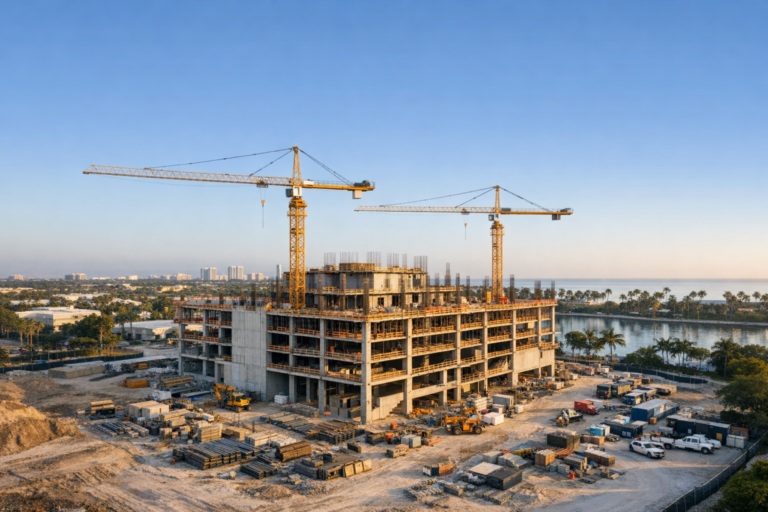
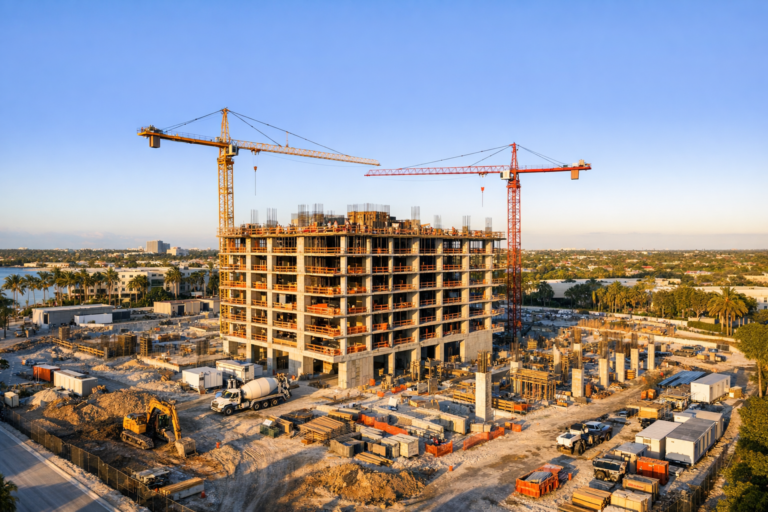
Construction progress photos are more than project keepsakes. For owners, developers, general contractors, architects, engineers, and lenders, they create a visual record of what happened, when it happened, and how the project is moving forward. The question is not whether to document the job site. The real question is how often that documentation should happen.
For some projects, weekly construction progress photography is the right standard because conditions change quickly, multiple trades are active, and stakeholders need frequent updates. For other projects, monthly photos may be enough to show major milestones without creating unnecessary image volume or cost.
The best schedule depends on the size, complexity, pace, risk profile, and reporting needs of the project. This guide explains how to choose between weekly and monthly construction progress photos, what each schedule captures best, and when a hybrid approach may deliver the most value.
Why Construction Progress Photo Frequency Matters
Photo frequency directly affects how useful your visual documentation becomes. If photos are taken too infrequently, important work may be covered before it is documented. If photos are taken too often without a plan, the project team may end up with more images than they can reasonably review or organize.
A good construction photo schedule should support three goals: clear communication, reliable documentation, and practical decision-making. The right cadence gives project stakeholders enough visual information to understand progress without overwhelming them.
Aerial drone photography adds another layer of value because it captures context that ground photos cannot always show. Site logistics, roof progress, building placement, staging areas, stormwater features, parking lots, access roads, and overall project sequencing are easier to understand from above. When paired with consistent angles and repeatable flight paths, drone imagery becomes a powerful timeline of site development.
When Weekly Construction Progress Photography Makes Sense
Weekly construction progress photography is often the best choice for active commercial projects where visible conditions change quickly. A week can make a major difference on a job site, especially during site work, structural framing, roofing, exterior envelope installation, paving, and large-scale vertical construction.
Weekly coverage is especially valuable when multiple stakeholders are not physically present at the site every day. Owners, investors, lenders, architects, engineers, and corporate decision-makers can review current site conditions without relying only on written reports or occasional site visits.
Fast-Moving Construction Phases
Some construction phases move too quickly for monthly documentation. Site clearing, grading, underground utility work, foundation preparation, steel erection, framing, roof installation, and exterior improvements can significantly change from one week to the next.
If the project only receives monthly photos, key transitions may be missed. For example, underground work may be backfilled before it is documented from above. Roofing progress may go from underlayment to completed membrane within a short window. Paving, striping, landscaping, and site access improvements can also change rapidly.
Weekly drone photography helps preserve a more complete record of these visible changes.
Projects With Many Stakeholders
The more people involved in a project, the more valuable frequent visual updates become. Developers, property owners, general contractors, construction managers, leasing teams, architects, engineers, and investors may all need a clear understanding of progress.
Weekly aerial photos help align these groups by giving everyone the same current visual reference. This can reduce confusion during meetings, help clarify site conditions, and make project updates easier to understand.
Remote Owners and Out-of-Market Teams
In South Florida, many commercial property owners and development teams manage projects from outside the immediate area. Weekly drone imagery gives remote stakeholders a dependable way to monitor visible progress without needing to travel for every update.
This is not a replacement for professional site inspections or construction management, but it is a practical communication tool. It helps decision-makers see the broader condition of the job site and understand how work is advancing over time.
Projects With Tight Schedules or High Visibility
For projects with aggressive timelines, frequent reporting requirements, public visibility, or marketing needs, weekly documentation often makes sense. Retail centers, multifamily developments, industrial facilities, hospitality projects, schools, medical buildings, and infrastructure-adjacent work may all benefit from regular aerial updates.
Weekly photos can also support marketing and leasing teams by giving them fresh construction visuals to share internally or use in approved promotional materials.
When Monthly Construction Progress Photos May Be Enough
Monthly construction progress photography is often appropriate for slower-moving projects, smaller scopes, early planning stages, or work where stakeholders only need milestone-level documentation.
Monthly photos can still provide a useful visual record, especially when the goal is to capture broad progress rather than week-by-week changes. For some projects, monthly drone coverage offers the right balance of documentation and budget efficiency.
Smaller or Less Complex Projects
If the project has a straightforward scope, limited site activity, or fewer moving parts, monthly photos may be sufficient. Examples may include smaller commercial renovations with limited exterior changes, low-complexity site improvements, or projects where the most important work does not visibly change from the air every week.
Longer Project Durations With Slower Visible Progress
Some projects have long periods where visible exterior progress is gradual. During certain interior-heavy phases, aerial photos may show fewer meaningful changes from week to week. Monthly drone photography can still capture the larger timeline without producing repetitive deliverables.
That said, it is important to distinguish between limited exterior visibility and limited documentation needs. If critical work is happening inside or below grade, the project team may still need ground-based photography, inspections, or other documentation methods in addition to aerial imagery.
Milestone Reporting Requirements
If the project team only needs visual updates for monthly owner reports, lender updates, board meetings, or internal summaries, a monthly schedule may match the reporting cycle. In this case, consistency matters more than volume. Photos should be captured from the same perspectives each month so progress is easy to compare.
Weekly vs. Monthly: Key Factors to Consider
Choosing a photo schedule should be based on project realities, not guesswork. The following factors can help determine the right cadence.
Project Pace
If the site changes significantly every week, use weekly photography. If visible progress is slower and most decisions happen on a monthly reporting cycle, monthly may be adequate.
Project Size and Complexity
Larger sites typically benefit from more frequent documentation because there are more areas to track. A commercial development with multiple buildings, parking areas, retention systems, access points, and phased work may require weekly aerial updates to maintain a useful record.
Risk and Documentation Needs
Projects with higher risk, tighter schedules, complex sequencing, or potential dispute issues often benefit from more frequent photos. While construction progress photos do not replace formal inspections, they can support a clearer visual timeline if questions arise later about site conditions or work progression.
Stakeholder Communication
If stakeholders expect frequent updates, weekly photography reduces the gap between what is happening on site and what decision-makers can see. Monthly photos may be enough when stakeholders only need periodic milestone reporting.
Budget and Deliverable Management
More frequent photography creates more deliverables. That can be valuable, but only if the images are organized and easy to review. A professional drone provider should help maintain consistency, label deliverables clearly, and capture the site in a way that supports comparison over time.
A Hybrid Schedule Is Often the Smartest Option
The best answer is not always weekly or monthly. Many projects benefit from a hybrid schedule that changes with the construction phase.
For example, a project may use weekly construction progress photography during site work, foundations, vertical construction, roofing, and exterior completion, then shift to monthly coverage during slower interior phases. Another project may use monthly photos most of the time, with additional drone visits scheduled around major milestones such as concrete pours, steel erection, rooftop installation, paving, or project completion.
This approach helps control cost while still documenting the moments that matter most. It also reflects how construction actually works. Activity is not always evenly distributed across the full project timeline.
What Professional Construction Progress Photos Should Include
Frequency is only part of the decision. The quality and consistency of the photo process matter just as much.
Useful construction progress photography should include repeatable overview angles, close aerial perspectives of key work areas, context shots showing access and staging, and images that clearly show visible milestones. When practical and safe, flights should be planned to capture similar perspectives each visit so stakeholders can compare progress over time.
For commercial projects in South Florida, weather, wind, airspace, active crews, cranes, nearby roads, neighboring properties, and site safety all need to be considered. Drone operations should be conducted by an FAA Part 107 certified remote pilot, and flights must follow applicable FAA requirements. In controlled airspace, authorization may be required before flying. Operations over people, near traffic, or around active construction equipment must be handled with appropriate planning and safety awareness.
Professionalism also means understanding that construction sites are dynamic environments. A drone provider should coordinate with the project team, respect site rules, avoid disrupting operations, and deliver images in a timely, organized format.
Common Mistakes to Avoid
One common mistake is choosing monthly photos to save money, then realizing later that important stages were missed. If work will be covered, buried, enclosed, or completed quickly, monthly documentation may not be enough.
Another mistake is scheduling weekly photos without defining what needs to be captured. More images are not automatically better. The deliverables should be intentional, consistent, and relevant to the project team.
A third mistake is relying only on random ground-level phone photos. Those images can be useful for specific details, but they usually do not show the full site context. Aerial drone imagery creates a broader record that helps stakeholders understand layout, sequencing, and overall progress.
Frequently Asked Questions
Is weekly construction progress photography worth it?
Weekly photography is worth it when the job site changes quickly, the project has multiple stakeholders, or the team needs a reliable visual record of progress. It is especially helpful during phases where major visible work can happen within days.
Can monthly construction photos be enough for a commercial project?
Yes. Monthly photos can be enough for smaller projects, slower phases, or milestone-based reporting. The key is making sure monthly coverage will not miss important work that should be documented.
Should construction progress photos be taken from the same angles each time?
Yes, when possible. Consistent angles make it much easier to compare progress across weeks or months. Repeatable aerial perspectives are one of the biggest advantages of a planned drone photography program.
Do drone progress photos replace inspections?
No. Drone photos are a visual documentation and communication tool. They do not replace required inspections, engineering reviews, code compliance checks, or professional evaluations by qualified parties.
What is the best photo schedule for a large commercial construction project?
Many large commercial projects benefit from weekly drone photography during active exterior and site work phases, with the option to adjust to monthly coverage during slower or less visible phases.
How to Choose the Right Schedule
If you are deciding between weekly and monthly construction progress photos, start by asking a few practical questions. How quickly is the site changing? Who needs to see the updates? Are there milestones that must be documented? Will important work be covered before the next scheduled visit? Is the project team using photos for reporting, marketing, risk documentation, or all of the above?
If the answers point to frequent change, multiple stakeholders, and higher documentation needs, weekly photography is likely the stronger choice. If the project is slower, simpler, or only requires milestone updates, monthly photos may be sufficient. If the project has alternating fast and slow phases, a hybrid schedule may be the most practical solution.
Final Thoughts
The right construction progress photo schedule should make your project easier to understand, manage, and communicate. Weekly photography provides a more detailed timeline and is ideal for fast-moving, complex, or high-visibility projects. Monthly photography can be a smart fit for slower phases, smaller scopes, or milestone reporting.
Skyview Motions provides professional commercial drone photography and construction progress documentation for projects throughout South Florida. If you are unsure whether weekly, monthly, or hybrid coverage is right for your job site, our team can help you evaluate the project schedule, documentation goals, and deliverable needs so you can choose a practical plan with confidence.