In South Florida, real estate is highly visual before it is ever physical. Long before a buyer, tenant, investor, or broker schedules a showing, they form an opinion from the photos they see online. That first impression can either create confidence or cause them to move on to the next property.
Professional real estate photography South Florida businesses rely on is not simply about making a building look attractive. It is about accurately presenting space, location, condition, scale, access, surroundings, and opportunity. In a region defined by waterfront properties, dense commercial corridors, luxury developments, hospitality assets, construction activity, and competitive leasing markets, strong visual presentation is a business tool.
Whether you are marketing a commercial building, development site, retail center, industrial property, multifamily community, hospitality venue, or high-value residential listing, professional photography helps people understand what makes the property worth their attention.
South Florida Properties Compete in a Visual Market
South Florida is not a one-size-fits-all real estate market. A property in Miami, Fort Lauderdale, West Palm Beach, Boca Raton, Hollywood, or the Florida Keys may need to communicate very different selling points. Some properties rely on proximity to the water. Others depend on visibility from major roads, parking access, walkability, surrounding development, nearby amenities, or architectural appeal.
Basic ground-level photos often fail to show the full story. A storefront may look ordinary from the sidewalk but become far more compelling when viewers can see its position within a busy retail corridor. A development parcel may seem empty at eye level but gain value when shown near highways, neighborhoods, marinas, airports, or expanding commercial zones.
This is where professional photography, especially when combined with aerial drone imagery, gives decision-makers a clearer picture. It helps a property stand out while also giving viewers useful information they need to evaluate the opportunity.
Professional Photography Builds Trust Before the First Showing
Low-quality photos can create doubt, even when the property itself is strong. Dark interiors, crooked vertical lines, blown-out windows, inconsistent color, poor framing, and awkward angles can make a space feel smaller, older, or less valuable than it actually is.
Professional real estate photography addresses these issues through careful planning, composition, lighting awareness, editing consistency, and an understanding of how properties are evaluated online. The goal is not to misrepresent the property. The goal is to present it clearly, attractively, and accurately.
For brokers, developers, property managers, and owners, this matters because visual quality reflects professionalism. If the marketing materials look polished and complete, prospects are more likely to believe the property is being represented seriously.
What Professional Real Estate Photography Should Show
Effective property photography does more than document rooms or exterior walls. It should answer practical questions that potential buyers, tenants, and stakeholders are already asking.
Property Condition and Presentation
Clear, sharp images help communicate how well a property is maintained. For commercial and multifamily properties, this may include exterior elevations, entryways, common areas, parking lots, amenities, signage areas, landscaping, and building systems that are appropriate to show.
Layout and Flow
Interior photography should help viewers understand how spaces connect. In offices, retail spaces, warehouses, hospitality venues, and residential properties, composition matters. The viewer should be able to imagine movement through the space instead of seeing disconnected snapshots.
Location and Surroundings
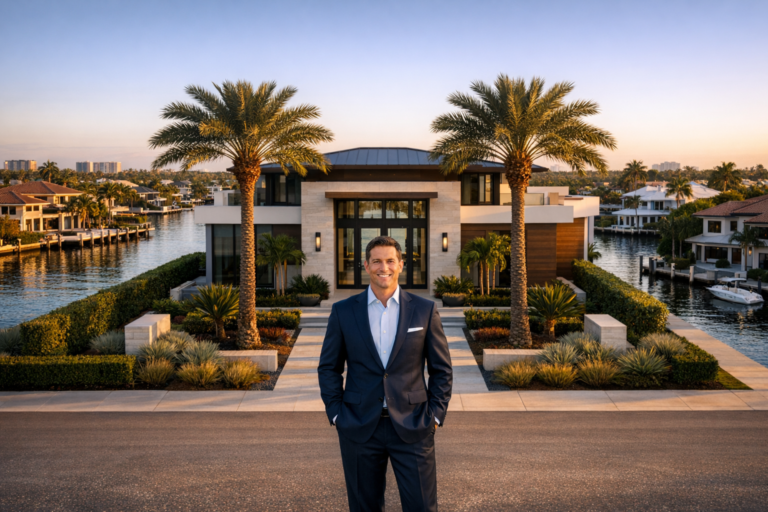
In South Florida, location is often one of the strongest selling points. Aerial photography can show nearby beaches, ports, highways, shopping districts, downtown areas, transit routes, schools, neighborhoods, and waterfront access. These details are difficult to communicate with standard photos alone.
Scale and Site Context
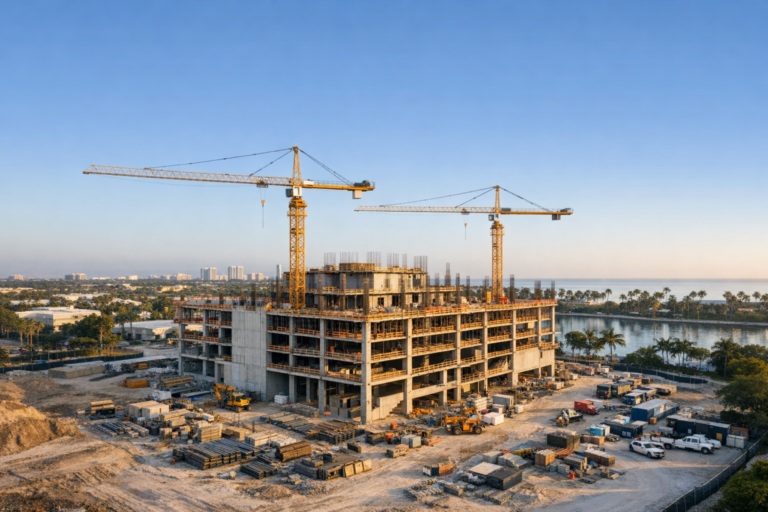
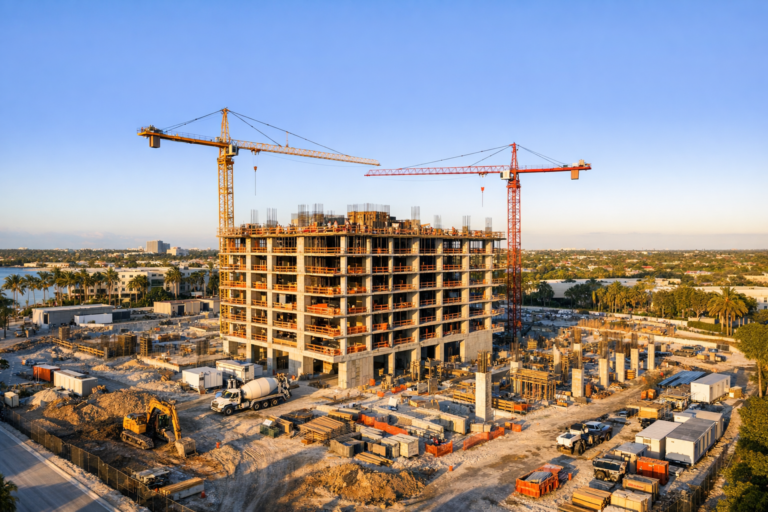
For development sites, industrial properties, large commercial parcels, and construction projects, scale is critical. Drone photography can show acreage, access points, neighboring parcels, circulation routes, storage areas, loading zones, and relationship to nearby roads or structures.
Why Drone Photography Is Especially Valuable in South Florida
Drone photography has become one of the most useful tools in commercial real estate marketing because it reveals context that ground photography cannot. In South Florida, that context can significantly influence perceived value.
Aerial views can show water proximity, skyline views, corner visibility, parking capacity, lot configuration, rooftop features, marina access, traffic exposure, surrounding development, and neighborhood character. These are not just attractive visuals. They are decision-making details.
For example, a retail center may benefit from an aerial perspective showing its position along a high-visibility roadway. A multifamily community may need imagery that captures amenities, building layout, pool areas, parking, and nearby lifestyle destinations. A construction site may require repeat aerial documentation for owners, lenders, architects, and project teams.
Because drone work involves airspace awareness, property safety, weather judgment, and regulatory compliance, it should be handled by qualified professionals. Commercial drone operations in the United States generally require an FAA Part 107 remote pilot certification, and certain locations may require airspace authorization. In South Florida, where airports, waterways, event venues, urban areas, and sensitive locations are common, professional planning matters.
South Florida Lighting, Weather, and Environment Require Experience
Photographing real estate in South Florida presents unique challenges. Bright sun, reflective glass, white exterior surfaces, water glare, fast-moving rain, humidity, shadows from palm trees, and changing cloud cover can all affect image quality.
An experienced real estate photographer knows how to plan around these conditions. Timing may be adjusted to avoid harsh midday glare. Exterior angles may be selected to reduce reflections. Drone flights may be scheduled when wind and weather conditions are appropriate. Interior photos may need balanced exposure so windows do not become washed out and rooms do not appear too dark.
These details may seem small, but they shape how a property feels online. A professional approach helps maintain natural colors, clean composition, and accurate presentation.
How Professional Imagery Supports Different Real Estate Goals
Different properties require different visual strategies. A strong photography plan should match the business objective rather than follow a generic checklist.
Commercial Sales and Leasing
For office, retail, industrial, and mixed-use properties, photography should support marketing packages, listing platforms, broker outreach, presentations, and investor communications. Images should show both the asset and its market position.
Commercial Real Estate Development
Developers often need visuals before, during, and after construction. Aerial imagery can document site progress, show surrounding infrastructure, support stakeholder updates, and create marketing assets for pre-leasing or sales campaigns.
Multifamily and Residential Communities
Professional photos can highlight curb appeal, amenities, entrance features, common areas, views, and lifestyle details. Drone imagery may help show proximity to parks, beaches, downtown districts, or major employers.
Hospitality, Event, and Venue Marketing
Hotels, resorts, event venues, golf clubs, and waterfront spaces rely heavily on atmosphere. Photography and videography should capture guest experience, property flow, outdoor areas, views, and scale in a way that feels polished but authentic.
What to Look for When Hiring a Real Estate Photography Company
Choosing a provider should involve more than comparing prices. The right company should understand both visual production and property marketing.
Look for a team that can explain its process, review the intended use of the images, and recommend the right mix of ground photography, aerial photography, videography, and construction documentation when appropriate. They should understand scheduling, weather considerations, access coordination, safety, and deliverables.
If drone services are part of the project, confirm that the operator is qualified for commercial work and understands FAA requirements. Ask how they evaluate airspace, site safety, people on location, nearby obstacles, and weather conditions. Responsible drone operations protect the property, the public, and the quality of the final media.
It is also helpful to choose a company familiar with South Florida environments. Local experience can make a difference when planning around coastal light, airport-adjacent areas, dense urban corridors, waterfront properties, and fast-changing weather.
Preparing a Property for a Successful Photo Shoot
Even the best photographer benefits from a well-prepared property. Before the shoot, remove visible clutter, clean windows when practical, refresh landscaping, move unnecessary vehicles, turn on interior lights, open blinds evenly, and confirm that key rooms or areas are accessible.
For commercial properties, consider whether signage, parking areas, loading zones, amenities, rooftops, or surrounding streets should be included. For development sites, make sure the photographer understands boundaries, access points, safety requirements, and any areas that should not be photographed.
Clear communication before the shoot saves time and helps ensure the final images support your exact marketing goals.
Why Quality Photography Often Pays for Itself
Professional real estate photography is an investment in clarity, credibility, and attention. Strong imagery can improve how a property performs across listing platforms, email campaigns, proposals, social media, brochures, investor decks, and websites.
More importantly, it helps attract better-informed prospects. When people can clearly see the property, its surroundings, and its advantages, they are more likely to take the next step with realistic expectations. That can make marketing conversations more productive and showings more qualified.
Poor imagery can make a strong asset appear average. Professional imagery helps the market see the property as it deserves to be seen.
FAQ
Is drone photography necessary for every real estate listing?
No. Some smaller interior-focused listings may not require aerial imagery. However, drone photography is highly valuable when location, land size, waterfront access, parking, development potential, surrounding amenities, or building scale are important to the marketing story.
How far in advance should a real estate photo shoot be scheduled?
Scheduling depends on property readiness, weather, access coordination, and whether drone operations are involved. For commercial properties, it is best to plan early enough to allow for weather changes, airspace review when needed, and coordination with property managers or tenants.
What makes South Florida real estate photography different?
South Florida properties often involve bright sunlight, reflective surfaces, coastal weather, waterfront views, dense urban surroundings, and highly competitive visual marketing. Experience with these conditions helps produce cleaner, more useful images.
Can professional photography be used beyond listings?
Yes. High-quality real estate images can support websites, leasing packages, investor presentations, social media, brochures, construction updates, press materials, and long-term property marketing.
Should commercial drone work be performed by a certified pilot?
Yes. Commercial drone operations in the United States generally require an FAA Part 107 certified remote pilot. Working with a qualified operator helps ensure safer, more professional planning and execution.
Professional Photography Helps Properties Make a Stronger First Impression
In a competitive South Florida real estate market, professional photography is not just a finishing touch. It is part of how a property communicates value. The right visuals help prospects understand the asset, evaluate its location, and feel confident enough to take the next step.
Skyview Motions provides professional commercial drone photography, drone videography, construction progress media, commercial real estate visuals, and event coverage for businesses throughout South Florida. For property owners, brokers, developers, contractors, and marketing teams, the right imagery can make your project easier to understand and harder to overlook.
If you are preparing to market a property or document a project, working with an experienced South Florida drone services company can help you present it with clarity, accuracy, and professional polish.