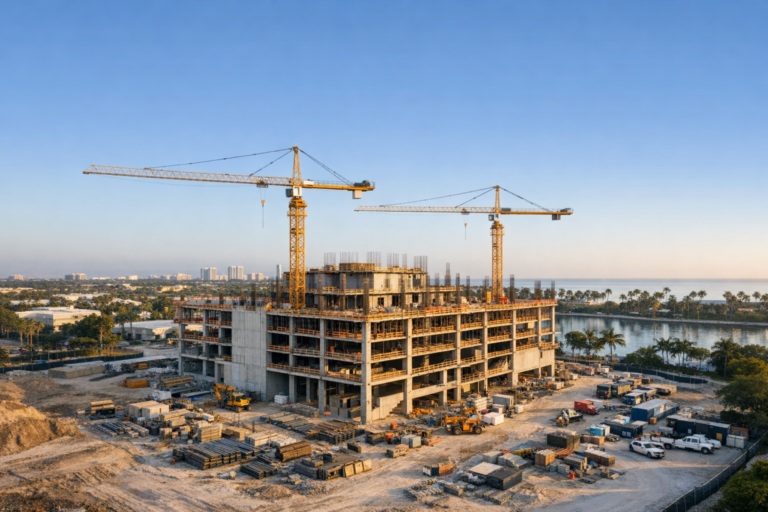
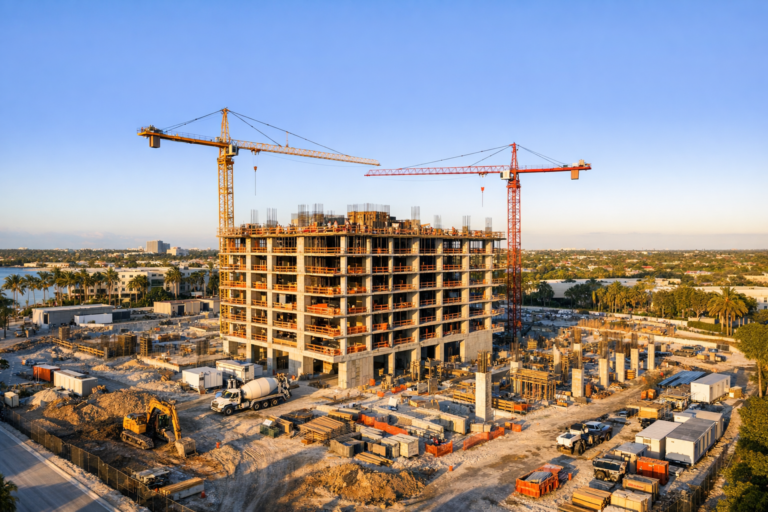
Accountability on a construction project depends on more than meetings, reports, and schedules. It depends on having a clear visual record of what happened, when it happened, and where it happened. That is why construction photo documentation has become one of the most useful tools for owners, developers, general contractors, construction managers, architects, engineers, and property teams.
Photos help turn assumptions into evidence. They show progress, reveal issues before they become expensive, support communication between stakeholders, and create a reliable record that can be referenced long after a crew has moved on. When captured consistently and professionally, construction photos help everyone work from the same facts.
For commercial projects in South Florida, where weather, permitting timelines, subcontractor coordination, and fast-moving schedules can all affect production, visual documentation is especially important. A well-planned photo documentation process gives project teams greater visibility without requiring every stakeholder to be physically present on site.
Why Accountability Matters at Every Stage of Construction
Construction projects involve many moving parts. Owners want to know their investment is progressing. Contractors need to verify completed work. Architects and engineers may need to review field conditions. Lenders, insurers, asset managers, and tenants may also need updates at different points in the project.
Without consistent visual documentation, project teams often rely on memory, written notes, email updates, or limited site reports. Those tools are useful, but they do not always show conditions clearly. Photos add context. They help answer practical questions such as whether a task was completed, whether materials were delivered, whether site access was clear, or whether a specific area was ready for the next trade.
Accountability does not mean looking for blame. In a well-managed project, accountability means creating transparency so decisions can be made quickly and fairly. Construction photos make that possible by giving stakeholders a shared reference point.
How Construction Photo Documentation Creates a Reliable Project Record
A strong photo documentation process captures the project in a consistent, organized way. The value comes from more than taking pictures. It comes from documenting the right areas at the right time from useful perspectives.
For example, a commercial development may be photographed weekly from the same drone positions to show site-wide progress. Ground-level images may document interior framing, mechanical rough-ins, waterproofing, or installed finishes. Together, these images create a layered record of the project from excavation through completion.
When questions come up later, the team can review the visual history instead of guessing. This can be helpful for progress verification, payment applications, change order review, quality control, punch list management, and closeout documentation.
Key Ways Photos Improve Project Accountability
They Provide Objective Proof of Progress
Progress can be difficult to assess from a written update alone. A report may say that sitework is underway or exterior improvements are substantially complete, but photos show what that actually means. Drone photography is especially effective for documenting large job sites, roofing, exterior elevations, parking areas, staging zones, and overall project sequencing.
Objective progress photos help owners and project managers compare actual conditions against schedules, milestones, and pay applications. They do not replace professional inspections or contract administration, but they help support a clearer understanding of the work in place.
They Reduce Miscommunication Between Stakeholders
Miscommunication is one of the most common sources of frustration on a project. A superintendent may describe an access issue, a project manager may interpret it differently, and an owner may not fully understand the impact. A clear photo can quickly align everyone.
Images are also useful in meetings because they help teams discuss specific conditions rather than general concerns. Instead of debating what was observed, the conversation can move toward next steps, responsibilities, and timing.
They Help Document Work Before It Is Covered
Some of the most important construction work becomes hidden as the project advances. Underground utilities, structural connections, waterproofing assemblies, in-wall mechanical systems, and reinforcement details may not be visible after concrete is poured, walls are closed, or finishes are installed.
Documenting these phases can be valuable if questions arise later. Clear photos may help confirm installation timing, general locations, and field conditions. While photos are not a substitute for required inspections, they can support a more complete project record.
They Support Change Order and Dispute Review
Change orders often depend on understanding what conditions existed at a specific time. Was an area accessible? Had a previous trade completed its work? Were materials already installed? Was unforeseen site damage present before a crew began work?
Consistent construction photo documentation can help answer these questions more efficiently. A time-based visual record can provide context that written documentation may not capture. That can help reduce unnecessary conflict and support more informed discussions among owners, contractors, and consultants.
They Improve Remote Project Visibility
Not every decision-maker can visit the jobsite regularly. Developers, investors, executives, property owners, and marketing teams may be located outside the immediate area. Professional construction photography allows those stakeholders to stay informed without relying solely on verbal updates.
Drone imagery is particularly helpful for remote visibility because it shows the full scale of the project in a way ground photos cannot. From above, stakeholders can see logistics, site progress, surrounding access points, parking areas, building footprints, and exterior completion in one view.
What Should Be Included in a Strong Photo Documentation Plan?
The best results come from planning photo documentation before it is urgently needed. A simple structure helps ensure images remain useful throughout the project.
Consistent Capture Frequency
Many commercial projects benefit from weekly, biweekly, or monthly documentation depending on project size, pace, and stakeholder needs. Fast-moving phases may require more frequent visits, while slower phases may only need periodic updates. The key is consistency. Photos taken from similar locations and angles make it easier to compare progress over time.
Repeatable Drone Perspectives
Drone photography is ideal for repeatable aerial views. Capturing the same site corners, elevations, roof areas, and overall perspectives on each visit helps create a clear visual timeline. This is especially useful for construction progress photography on larger commercial sites, multifamily developments, industrial properties, retail centers, and infrastructure-related work.
Ground-Level Detail Photos
Aerial images show the big picture, but ground-level photos capture details. Important areas may include site access points, material staging, slab conditions, framing, exterior envelope work, MEP rough-ins, common areas, amenity spaces, finishes, and punch list items. For many projects, the strongest documentation combines drone and ground photography.
Organized File Delivery
Photos are most useful when they are easy to locate later. Files should be organized by date, project area, phase, or milestone when possible. Clear organization helps teams quickly find the record they need for meetings, reports, lender updates, marketing, or issue resolution.
Drone Photography Adds Context That Ground Photos Miss
Ground photos are important, but they only show one limited viewpoint at a time. Drone imagery provides context that is difficult to capture from the ground, especially on active commercial construction sites.
Aerial views can show how a building sits within the site, whether sitework is progressing as planned, how trades are using the available space, and how exterior work is moving across the property. For owners and project managers, this broader context can be extremely useful when evaluating project logistics and overall progress.
In South Florida, aerial documentation can also help record site conditions before and after major weather events, heavy rain, or tropical storm preparation. While every project has its own requirements, having an updated visual record of the site can make post-weather assessments more efficient.
Important Safety and Compliance Considerations
Professional drone documentation should be handled with safety and regulatory compliance in mind. Commercial drone operations in the United States generally require a remote pilot operating under FAA Part 107. Depending on the location, airspace authorization may be required before flying. Operations must also account for people, vehicles, nearby structures, jobsite hazards, weather, visibility, and safe takeoff and landing areas.
On construction sites, coordination matters. A drone operator should understand site access rules, communicate with the appropriate project contact, and avoid interfering with active work. Professionalism is not only about capturing attractive imagery. It is about working safely around crews, equipment, cranes, and changing site conditions.
Skyview Motions provides FAA Part 107 certified commercial drone services and approaches construction documentation with the planning and care required for active jobsite environments.
Common Mistakes That Reduce the Value of Construction Photos
Construction photos are only useful if they are captured clearly and consistently. Common mistakes include taking random images without a plan, photographing too infrequently, failing to capture the same viewpoints over time, storing files without a clear naming or folder structure, and overlooking critical phases before work is covered.
Another mistake is relying only on dramatic aerial images. Beautiful drone photos are valuable for marketing, but accountability requires practical documentation. The best construction photography balances clean, professional visuals with functional coverage that answers real project questions.
Teams should also avoid waiting until a dispute or delay occurs before starting documentation. By that point, the missing photos are often the ones that would have been most useful. A proactive process is far more valuable than a reactive one.
How Different Project Stakeholders Use Construction Photos
Owners and developers use construction photos to monitor investment progress, update partners, and maintain visibility across multiple projects. General contractors use them to track work, communicate with stakeholders, and support project records. Construction managers use photos to coordinate meetings, document conditions, and follow progress against schedules.
Architects and engineers may use photos to better understand field conditions before a site visit or review discussion. Property managers and leasing teams may use completed project imagery for turnover planning, asset records, or future marketing. Marketing professionals may also use select images to tell the story of a development from groundbreaking to completion.
When the same documentation serves multiple departments, the return on value increases. A well-captured project record can support operations, communication, risk management, and marketing at the same time.
Best Practices for Getting the Most Value From Project Photos
- Start documentation early, ideally before major sitework begins.
- Choose a consistent schedule based on project pace and reporting needs.
- Capture repeatable drone angles for progress comparisons.
- Combine aerial views with ground-level detail images.
- Document milestone phases before work is covered or inaccessible.
- Keep files organized by date, location, or project phase.
- Coordinate with the site team before each visit.
- Use professional operators who understand safety, compliance, and commercial project needs.
These practices help transform photos from a basic update tool into a dependable accountability system.
FAQ
How often should a construction project be photographed?
The right frequency depends on the project size, schedule, and reporting requirements. Weekly or biweekly documentation is common for active commercial projects, while monthly updates may be suitable for slower phases. Critical milestones may require separate visits.
Are drone photos enough for construction documentation?
Drone photos are excellent for site-wide context, exterior progress, roofs, staging areas, and large-scale comparisons. However, many projects also benefit from ground-level images for interior work, details, and close-up conditions. A combined approach is often the most useful.
Can construction photos help with disputes?
Photos can provide helpful visual context when disputes or questions arise. They may show site conditions, progress, access, or visible work at a specific point in time. They should be used as part of a broader project record that may include contracts, schedules, reports, inspections, and correspondence.
Do commercial drone pilots need FAA certification?
In the United States, commercial drone operations generally require a remote pilot operating under FAA Part 107. Some locations may also require airspace authorization. Hiring a certified professional helps ensure the work is approached safely and responsibly.
What types of construction projects benefit most from photo documentation?
Commercial buildings, multifamily developments, retail centers, industrial properties, infrastructure projects, renovations, and large sitework projects can all benefit. Any project with multiple stakeholders, important milestones, or remote decision-makers should consider a consistent documentation plan.
Building Accountability With a Clear Visual Record
Construction accountability improves when project teams can see the same evidence, review the same timeline, and make decisions from the same facts. Construction photo documentation provides that foundation. It helps verify progress, reduce confusion, support communication, and preserve a visual record from start to finish.
For owners, developers, contractors, and project teams in South Florida, professional drone and ground photography can be a practical way to improve visibility throughout the build. Skyview Motions helps commercial clients document construction progress with clear, consistent, and professional photography designed to support real project needs.
If your team needs reliable construction progress photography or videography for an active or upcoming project, Skyview Motions can help create a documentation approach that keeps stakeholders informed and accountable from the first milestone through final completion.