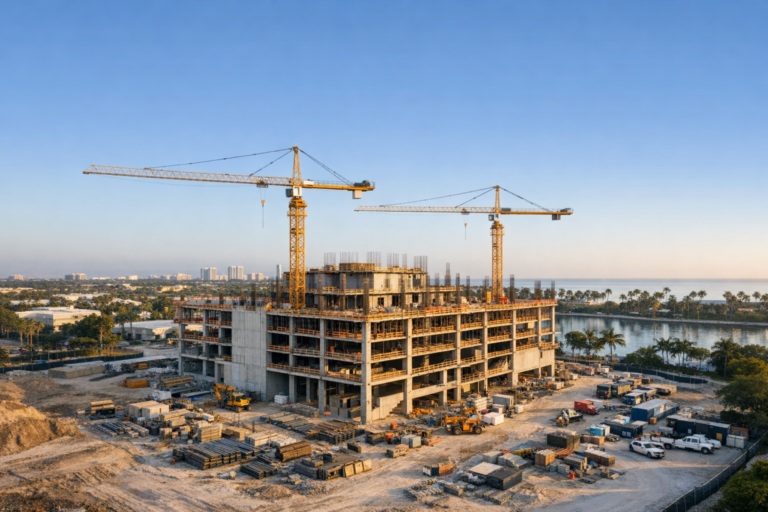
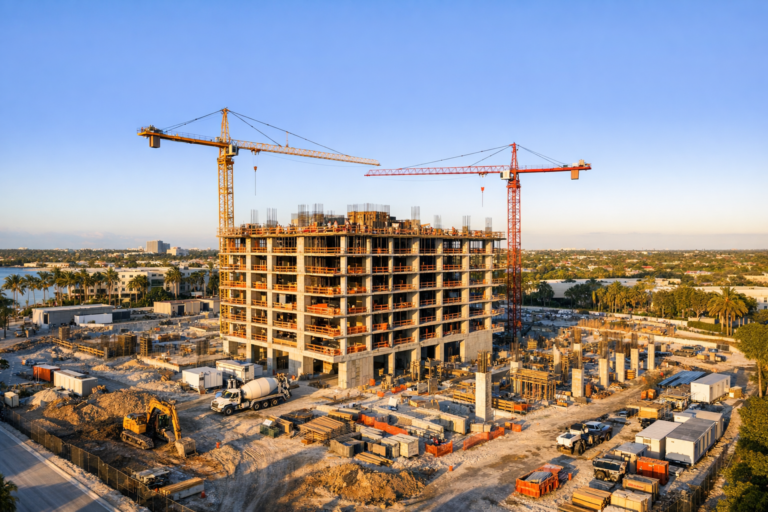
Construction moves quickly, but not every project needs to be photographed every day. The right schedule depends on the project type, phase of work, reporting requirements, stakeholder expectations, and how the images will be used. Too few photos can leave gaps in the record. Too many can create unnecessary cost and make it harder to find the images that actually matter.
For most commercial projects, a consistent weekly or biweekly schedule provides the best balance of documentation, cost control, and stakeholder visibility. However, some phases deserve more frequent coverage, while slower phases may only need monthly updates. The goal is not simply to collect images. The goal is to create a useful visual record that helps owners, contractors, developers, investors, and project teams understand what changed, when it changed, and how the project is progressing.
Below is a practical framework for deciding how often to schedule construction progress photos, including common timelines, milestone recommendations, drone-specific considerations, and questions to ask before setting a recurring photo plan.
The Short Answer: Most Projects Benefit From Weekly or Biweekly Photos
If you need a simple starting point, weekly photography is the most reliable cadence for active commercial construction. It captures meaningful progress without overwhelming the project team with excessive images. Weekly updates work especially well for vertical construction, civil sitework, large renovations, multifamily developments, hospitality projects, industrial properties, and commercial real estate developments.
Biweekly photography can be appropriate when the project is moving at a steady but slower pace, when the client only needs executive-level updates, or when the early stages involve work that does not change visually every few days. Monthly photography is usually best for long-duration projects with lower reporting demands or for high-level marketing documentation after major site activity is underway.
More frequent photo coverage may be needed during fast-moving phases, critical milestones, inspections, concrete pours, structural work, roof installation, exterior envelope progress, paving, site turnover, or any period where visual documentation could help reduce uncertainty later.
Why Photo Frequency Matters
Construction progress photos are more than a record of what a site looked like. When planned properly, they support communication, accountability, project management, marketing, and risk reduction. A consistent visual timeline can help teams answer questions that are difficult to resolve from memory alone.
For example, an owner may want to know whether a project is visually tracking as expected. A general contractor may need to compare site conditions from week to week. A developer may need images for lender updates. A marketing team may want aerial visuals for leasing, investor presentations, or public communications. A property manager may need documentation before turnover. Each use case affects how often photos should be captured.
The most valuable photo schedules are consistent. Capturing images from the same general angles, altitudes, and locations makes it much easier to compare progress over time. Random photos taken only when someone remembers to request them rarely provide the same value as a planned documentation program.
Recommended Construction Photo Schedules by Project Type
There is no single frequency that fits every job site, but the following guidelines can help you choose a practical baseline.
Weekly Photography
Weekly coverage is the strongest option for most active commercial projects. It is frequent enough to show meaningful change, especially during grading, building erection, framing, MEP rough-ins, roofing, exterior finishes, hardscape, and final site improvements.
This cadence is ideal when multiple stakeholders need regular updates, when the project has an aggressive schedule, or when aerial images are being used in owner meetings, progress reports, or construction management reviews.
Biweekly Photography
Biweekly photography works well when progress is steady but not visually dramatic from one week to the next. It is commonly used for projects in slower phases, smaller commercial builds, early land development, or projects where stakeholders do not require weekly updates.
This schedule can still create a strong visual record, especially when paired with milestone shoots during key events.
Monthly Photography
Monthly photography is better suited for long-duration projects, lower-activity phases, or high-level executive reporting. It is also useful when the main objective is marketing rather than detailed documentation.
However, monthly coverage may miss important changes on fast-moving sites. If the project involves frequent sequencing changes, major deliveries, or rapid vertical progress, monthly photos may leave gaps that are difficult to fill later.
Milestone-Based Photography
Some projects benefit from milestone photography in addition to a recurring schedule. This means scheduling extra coverage around events that are important to document, such as site clearing, foundation completion, structural topping out, roof installation, exterior completion, paving, substantial completion, and final delivery.
Milestone shoots are especially useful for developers, owners, and marketing teams because they capture the story of the project at visually important moments.
A Phase-by-Phase Photography Plan
Construction progress photo frequency should often change as the project evolves. A site may need less frequent coverage early on, more frequent coverage during rapid progress, and targeted coverage near completion.
Pre-Construction and Existing Conditions
Before work begins, capture baseline images of the site and surrounding conditions. This can include aerial views, access points, adjacent properties, staging areas, drainage features, nearby roads, and existing structures. These photos create a starting point that can be valuable for planning, documentation, and future comparison.
For this phase, one comprehensive pre-construction shoot is usually sufficient unless site conditions change before mobilization.
Sitework, Clearing, and Grading
During early sitework, weekly or biweekly photos are often appropriate. Aerial photography is especially useful here because it shows earthwork, stockpiles, drainage, retention areas, access routes, and the overall footprint of the project in a way ground photos cannot.
If sitework is moving quickly or if there are important civil engineering milestones, weekly coverage is usually the better choice.
Foundation and Structural Work
This phase often deserves weekly documentation, and sometimes additional milestone coverage. Foundations, slab pours, columns, walls, steel erection, and structural framing can change the appearance of a project dramatically in a short period of time.
Consistent aerial and ground-level images during this phase can help document sequencing and provide clear visual updates for stakeholders who are not visiting the site regularly.
Exterior Envelope, Roofing, and Building Systems
As the building becomes enclosed, weekly or biweekly photography is usually appropriate. Drone photography can capture roof progress, facade installation, exterior finishes, and site coordination from useful angles. Ground photos can complement aerial views by documenting details that are not visible from above.
If the roof, facade, or waterproofing work is a major concern for an owner or project team, consider adding targeted milestone coverage.
Interior Buildout and Final Site Improvements
Drone photography may be less frequent during interior-heavy phases unless exterior site work is still active. At this stage, a biweekly or monthly aerial schedule may be enough, while ground interior photos may become more important.
When landscaping, paving, striping, signage, exterior lighting, and final finishes begin, aerial coverage becomes highly valuable again. These images are often useful for closeout documentation, marketing, leasing, and final presentations.
When You Should Photograph More Often
Some job sites need a tighter schedule. Consider increasing photo frequency when:
- The project is on an accelerated schedule.
- Multiple trades are working simultaneously on visible exterior areas.
- Owners, lenders, or investors require frequent updates.
- The site is large, complex, or difficult to observe from the ground.
- Major materials deliveries or equipment mobilizations are occurring.
- Weather delays, sequencing changes, or site constraints need better documentation.
- Images will be used for public updates, marketing, or leasing campaigns.
- Critical milestones are approaching.
In South Florida, weather can also influence scheduling. Rain, wind, and seasonal storm patterns may affect site activity and drone flight windows. A professional drone provider should understand how to plan around safe operating conditions while still maintaining a reliable documentation schedule.
When You Can Photograph Less Often
More photos are not always better. You may be able to reduce frequency when progress is slow, the project is paused, work is happening primarily indoors, or stakeholders only need monthly summaries. Smaller projects with limited exterior change may not need weekly aerial coverage for the entire duration.
The key is to avoid cutting frequency during the moments that matter most. A smart approach is to start with a baseline schedule, then adjust based on visible progress and reporting needs.
What Should Be Included in Each Progress Photo Session?
A good construction progress photography session should be planned, repeatable, and useful. For drone photography, that usually means capturing a combination of wide site overviews, consistent comparison angles, closer views of active work zones, access and staging areas, roof or exterior progress when applicable, and surrounding context.
For many commercial projects, the most useful deliverables include:
- Consistent aerial angles from the same general positions over time.
- Overall site photos showing the full project footprint.
- Oblique aerial views that show depth, elevation, and surrounding context.
- Top-down images when useful for layout, sitework, or logistics.
- Ground-level photos for details not visible from the air.
- Organized image delivery with dates clearly associated with each session.
Consistency is what turns individual photos into a construction timeline. If each session is captured differently, it becomes harder to compare progress. Experienced drone operators understand how to balance repeatable documentation with the flexibility needed to capture what is actually happening on site.
Drone Photos vs. Ground Photos: How Often Do You Need Each?
Drone and ground photography serve different purposes. Drone imagery is best for showing overall progress, site logistics, building placement, roof and exterior conditions, land development, parking areas, and surrounding context. Ground photography is better for interior details, close-up work, materials, finishes, and areas where aerial visibility is limited.
Most commercial projects benefit from using both. A common approach is weekly or biweekly drone photography for the overall site, paired with ground-level photos as needed for interior work, closeout details, or specific trade documentation.
When hiring a drone provider, confirm that flights are conducted by an FAA Part 107 certified remote pilot and that the company understands job site safety, airspace considerations, weather limitations, and coordination with active construction teams.
How to Choose the Right Schedule for Your Project
Before setting a photo schedule, answer these questions:
- Who will use the photos?
- Are the images mainly for documentation, reporting, marketing, or all three?
- How quickly is the project expected to change visually?
- Are there lender, owner, or investor reporting requirements?
- Which milestones are most important to capture?
- Will the photos support meetings, public updates, leasing, or approvals?
- Are there site access, safety, or scheduling constraints?
- Does the project need repeatable aerial angles over time?
If the images will be reviewed in weekly owner meetings, schedule weekly photography. If the photos are for monthly executive reporting, monthly or biweekly may be enough. If marketing is a priority, plan around visually impressive milestones rather than relying only on a fixed calendar.
FAQ
Are weekly construction progress photos necessary?
Weekly photos are not necessary for every project, but they are the best fit for many active commercial job sites. They provide a clear visual timeline and help stakeholders stay informed without waiting too long between updates.
Is monthly construction photography enough?
Monthly photography can be enough for slower projects, long-term developments, or high-level reporting. It may not be enough during fast-moving phases such as structural work, exterior installation, paving, or final site improvements.
Should photos be taken from the same locations each time?
Yes. Repeatable angles make it much easier to compare progress. A professional photographer or drone operator should capture consistent views while also documenting new areas of activity as the project evolves.
When should drone photography begin?
Ideally, drone photography should begin before construction starts with existing condition images. This creates a baseline record that can be compared to future progress photos throughout the project.
Can drone progress photos help with stakeholder communication?
Yes. Aerial images make it easier for owners, investors, lenders, and project teams to understand site progress without being physically present. They are especially useful for large sites where ground photos do not show the full picture.
How far in advance should a construction photo session be scheduled?
Recurring schedules should be planned in advance so the photographer can maintain consistency and account for weather, site access, and airspace considerations. Extra milestone shoots should be requested as soon as the project team knows the expected date.
Build a Photo Schedule That Matches the Way Your Project Actually Moves
The best construction progress photos come from a schedule that reflects the pace and priorities of the project. Weekly coverage is a strong default for active commercial construction, biweekly coverage works well for moderate progress, and monthly coverage can support slower phases or executive reporting. Milestone photography should be added whenever an important stage deserves dedicated documentation.
For owners, developers, general contractors, and project teams in South Florida, professional drone photography can turn routine updates into a clear, organized visual record. Skyview Motions provides commercial drone photography and videography for construction progress documentation, helping teams capture reliable aerial visuals with safety, consistency, and purpose.
If you are planning a new project or want better documentation for an active job site, Skyview Motions can help you choose a practical construction progress photo schedule that fits your timeline, reporting needs, and project goals.