New developments in South Florida are often sold, leased, financed, and promoted long before the final landscaping is installed or the first tenant moves in. That creates a marketing challenge: how do you help investors, buyers, tenants, brokers, and the public understand the value of a project that is still taking shape?
Professional aerial imagery can close that gap. With the right planning, drone photography and videography can show where a development sits, how it relates to surrounding roads and amenities, how construction is progressing, and what the finished project is becoming. For developers and marketing teams, development drone photography South Florida is not just about attractive aerial photos. It is a practical visual communication tool that supports leasing, sales, stakeholder updates, financing conversations, public relations, and brand positioning.
The difference between average drone content and effective development marketing is strategy. A few high-altitude images may look impressive, but they may not answer the questions that matter to the people evaluating the project. Strong drone marketing is intentional, safe, consistent, and aligned with the development timeline.
Why Drone Marketing Matters for New Developments
Real estate development is visual by nature, but ground-level photography often cannot capture the full story. A new retail center, multifamily community, office property, hotel, industrial facility, or mixed-use project is defined by more than the building itself. Its value also depends on access, visibility, surrounding growth, nearby demand drivers, parking, traffic flow, views, and construction momentum.
Drone imagery helps communicate those factors clearly. Aerial photos can show proximity to highways, beaches, downtown districts, major employers, schools, marinas, shopping corridors, or transportation hubs. Drone video can guide viewers around the site in a way that feels intuitive and easy to understand. Time-based progress coverage can demonstrate activity and keep stakeholders confident that work is moving forward.
For new developments, aerial content is especially useful because it can support multiple phases of the project, from pre-construction promotion to post-completion launch campaigns.
What Drone Photography Can Show That Ground Photography Cannot
Ground photography is still valuable, especially for interiors, signage, finishes, and human-scale details. But it has limits. On large sites, viewers may struggle to understand the size and relationship of different project areas from ground level alone.
Drone photography provides a wider perspective. It can show the full site boundary, surrounding parcels, access roads, staging areas, nearby waterways, traffic patterns, parking fields, rooftops, courtyards, amenity decks, and the relationship between buildings. For waterfront and coastal South Florida properties, aerial imagery can also help show water proximity, view corridors, and neighborhood context without relying on exaggerated claims.
This matters because business decision-makers need context. A tenant may want to understand visibility from a major road. A broker may need strong visuals for a listing package. A lender may want to see visible construction progress. A buyer may want to understand how close the property is to lifestyle amenities. Drone imagery helps answer those questions quickly.
How Drone Content Supports Each Development Phase
Pre-Construction and Site Marketing
Before vertical construction begins, drone images can document the site, surrounding area, access points, and future development footprint. These visuals are often useful for investor presentations, municipal communications, broker materials, landing pages, and early marketing campaigns.
At this stage, the goal is not to pretend the project is finished. The goal is to help viewers understand the opportunity. Clean aerial site photography can show location strength, parcel scale, visibility, and surrounding development patterns. When paired with renderings or site plans in a broader marketing package, aerial visuals can make the project feel more tangible.
Active Construction Progress
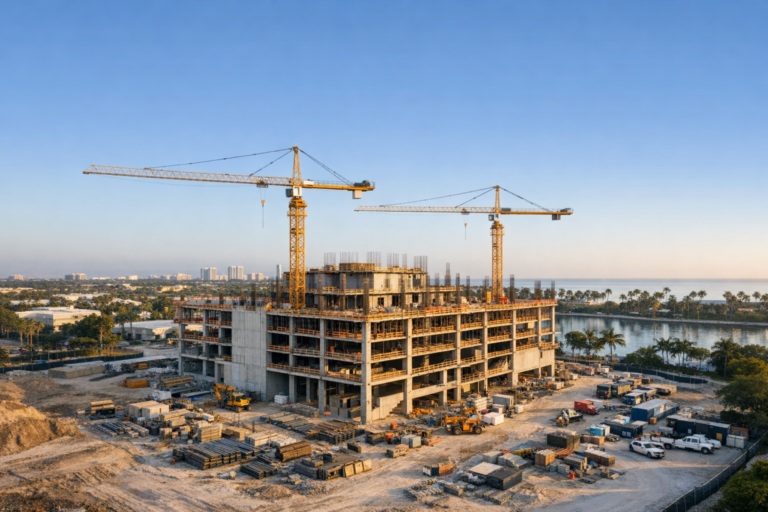
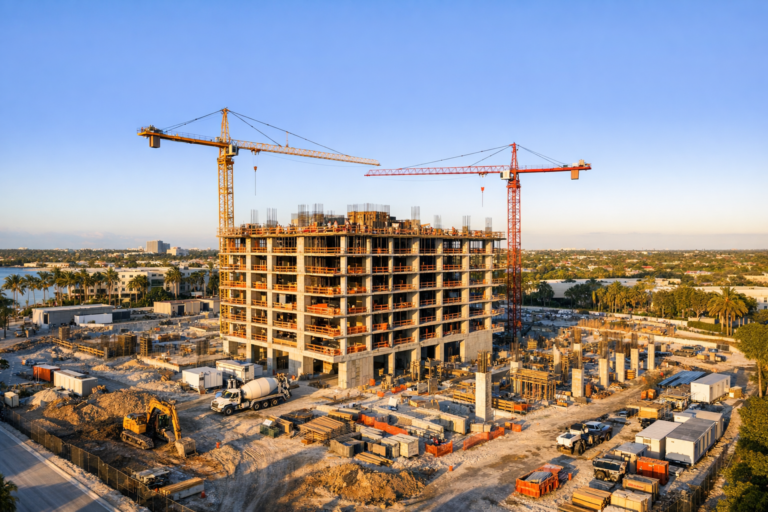
During construction, recurring drone photography and videography can create a reliable record of progress. Developers, owners, contractors, and project managers may use these visuals for internal updates, owner reports, marketing teasers, public relations, and coordination discussions.
Consistent capture points are important. Shooting from similar angles, heights, and directions over time makes it easier to compare progress. For example, monthly aerial images can show foundation work, structural framing, roofing, exterior envelope installation, paving, landscaping, and final site improvements. This type of documentation is more useful when planned in advance rather than captured randomly.
Pre-Leasing, Sales, and Public Launch
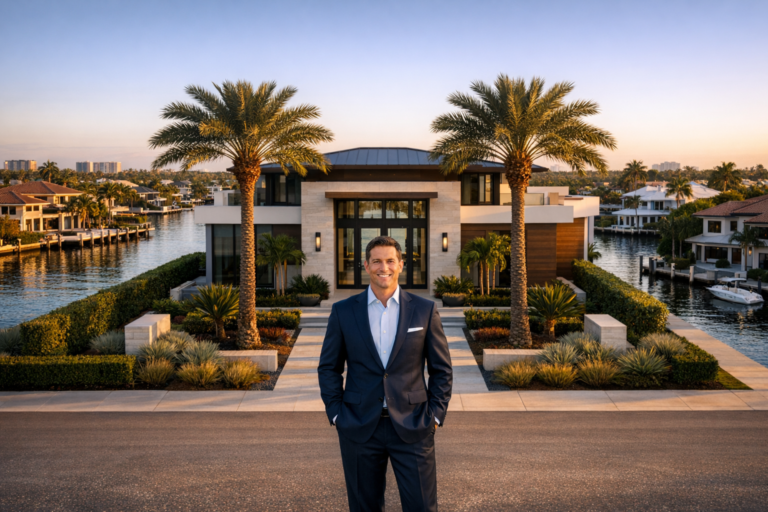
As the project approaches completion, the marketing focus shifts from construction activity to experience and value. Drone video can introduce the development with elegant approach shots, reveal key amenities, show access routes, and place the property within the surrounding community.
For commercial real estate projects, aerial photography can also strengthen offering memorandums, leasing brochures, website hero images, social media campaigns, and email announcements. For residential or hospitality developments, drone visuals can highlight lifestyle, views, outdoor spaces, pool areas, walkability, and proximity to beaches or entertainment districts.
Important South Florida Considerations
Drone marketing in South Florida requires more than creative composition. The region has unique operational conditions that can affect planning, safety, and results.
Weather is one of the biggest considerations. Afternoon storms, high winds, humidity, and changing coastal light can influence scheduling. Morning and late-afternoon flights often provide more flattering light, but the ideal time depends on the building orientation, shadows, traffic, and the story the imagery needs to tell.
Airspace is another key factor. Many South Florida properties are located near airports, heliports, seaplane areas, controlled airspace, or sensitive locations. Commercial drone operations should be conducted by an FAA Part 107 certified remote pilot who understands airspace requirements and knows when authorization may be needed.
Site safety also matters. Active construction areas involve cranes, workers, vehicles, materials, and restricted zones. Professional drone operators should coordinate with site contacts, respect safety protocols, avoid interfering with work, and maintain proper control of the aircraft at all times.
What Makes Drone Marketing Effective for Real Estate Development
Strong drone marketing is not just about flying high. In many cases, lower, more controlled angles are more useful because they preserve architectural detail and create a better sense of place. The best deliverables are planned around the audience and the intended use.
Clear Visual Objectives
Before a drone shoot, the project team should define what the imagery needs to accomplish. Is the goal to attract tenants, update investors, show construction progress, support a press release, document milestones, or create website visuals? Each goal requires different angles, timing, and shot selection.
Consistent Shot Lists
A shot list helps ensure the most important views are captured. For a development project, that may include overall site views, key road approaches, branded frontage, ingress and egress points, adjacent amenities, parking areas, rooftops, building elevations, construction milestones, and surrounding landmarks.
Usable Formats for Multiple Channels
Aerial assets should be delivered in formats that support real marketing use. A website hero image may need a wide composition with room for text overlay. Social media clips may need vertical or square versions. Broker packages may require high-resolution stills. Progress reports may benefit from organized folders by date and angle. Planning deliverables around usage prevents delays later.
Drone Photography vs. Drone Videography for New Developments
Photography and videography serve different purposes, and most development campaigns benefit from both.
Drone photography is ideal for websites, listing materials, investor decks, press announcements, reports, signage concepts, and printed collateral. A single strong aerial image can quickly communicate location, scale, and progress.
Drone videography is better for storytelling. It can show movement through the site, reveal amenities, connect the development to surrounding areas, and create a polished first impression. Video is especially effective for website banners, launch campaigns, leasing presentations, paid advertising, and stakeholder updates.
The best choice depends on the project stage. Early site marketing may need strong still images and a short overview video. Active construction may benefit from recurring photos and periodic video updates. Final launch campaigns often require more polished video sequences, including both aerial and ground-level footage when appropriate.
How to Prepare for a Development Drone Shoot
Preparation improves both safety and final quality. Before scheduling, gather the information that helps the drone team plan the flight properly.
- Project address and site access instructions
- Primary marketing goals for the shoot
- Preferred views, angles, or surrounding landmarks to include
- Areas that should be avoided or minimized
- Construction site contact and safety requirements
- Desired delivery formats and deadlines
- Any known restrictions, active cranes, or sensitive neighboring properties
For active job sites, coordination with the superintendent or project manager is especially helpful. A short planning conversation can clarify where the pilot can safely stand, what areas are active, whether certain operations should be avoided, and when the site will look its best.
How Often Should New Developments Capture Drone Content?
The right schedule depends on the project size, timeline, and stakeholder needs. A small commercial buildout may only need milestone coverage. A large multifamily, mixed-use, industrial, or hospitality development may benefit from monthly or biweekly aerial progress documentation.
Common capture schedules include pre-construction baseline imagery, monthly construction progress updates, milestone shoots at major construction phases, pre-opening marketing content, and final completed property photography. A consistent schedule gives teams a visual timeline that can be used for both documentation and marketing.
Consistency is more important than volume. A well-planned set of recurring aerial views is usually more valuable than a large collection of unrelated images captured at random intervals.
Choosing a Drone Partner for Development Marketing
When hiring a drone company for a new development, technical skill matters, but so does judgment. The operator should understand commercial use cases, construction environments, real estate marketing, FAA requirements, and the importance of capturing assets that are actually usable by your team.
Look for a provider that is FAA Part 107 certified, insured, safety-conscious, comfortable working around active job sites, and able to communicate clearly before and during the shoot. Ask how they plan for airspace, weather, site access, shot lists, and deliverables. A professional approach before the flight is often a good indicator of the final result.
Skyview Motions works with commercial clients throughout South Florida to create aerial photography and videography for real estate developments, construction progress, commercial properties, and events. The focus is always on producing clear, polished, purpose-driven visuals that help businesses communicate with confidence.
Frequently Asked Questions
Is drone photography useful before construction is complete?
Yes. Drone photography can be especially useful before completion because it shows site location, scale, access, surrounding amenities, and visible progress. These visuals can support leasing, sales, investor updates, and public-facing marketing while the project is still under construction.
Do commercial drone flights require FAA certification?
Commercial drone operations in the United States generally require the remote pilot to hold an FAA Part 107 certificate. Depending on the location, airspace authorization may also be required before flying. This is one reason it is important to work with a qualified commercial drone operator.
What is the best time of day for development drone photography in South Florida?
The best time depends on the property orientation, shadows, weather, and desired look. Morning and late-afternoon light often creates polished results, while midday may be useful when shadows need to be minimized. A professional drone team should evaluate the site and recommend timing based on the project goals.
Can drone imagery be used for both marketing and construction documentation?
Yes, but the shoot should be planned with both uses in mind. Marketing imagery may focus on polished angles and surrounding context, while documentation may require repeatable views that track progress over time. With proper planning, one flight can often support multiple business needs.
How far in advance should a drone shoot be scheduled?
Scheduling at least several days in advance is helpful, especially for active construction sites or locations where airspace review may be needed. Weather can also affect timing in South Florida, so some flexibility is recommended.
Bring Your Development Story Into Focus
New development marketing depends on clarity. People need to see where the project is, how it is progressing, what surrounds it, and why it matters. Professional aerial photography and videography make that story easier to understand.
Whether you are preparing investor updates, launching a leasing campaign, documenting construction progress, or building excitement before opening, a thoughtful drone marketing strategy can give your project stronger visual impact and more practical communication value.
Skyview Motions provides commercial drone photography and videography for new developments across South Florida, with a focus on safe operations, clear planning, and high-quality deliverables for business use. If your team is preparing to market a development, professional aerial content can help present the project with the perspective it deserves.