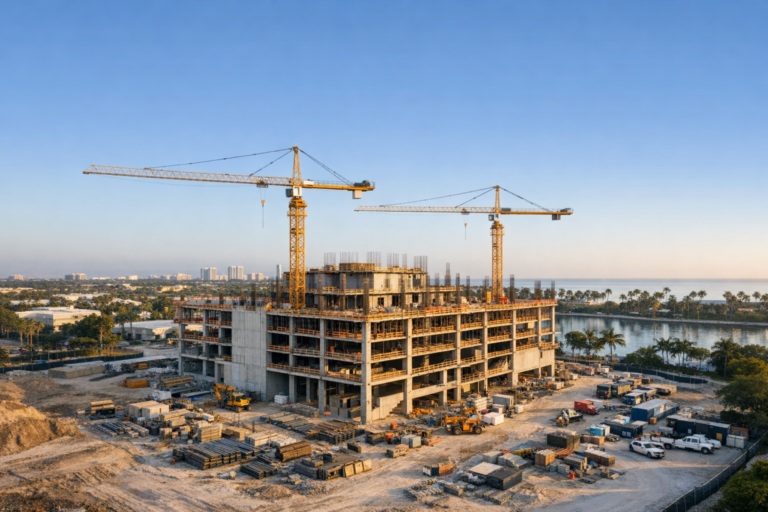
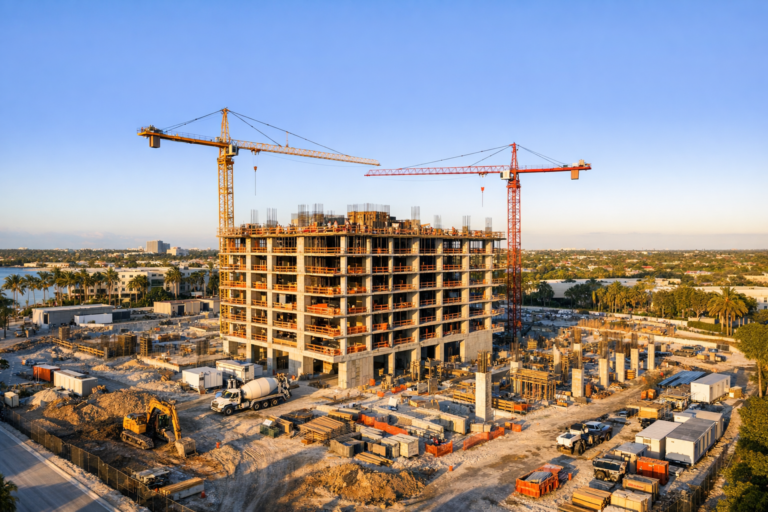
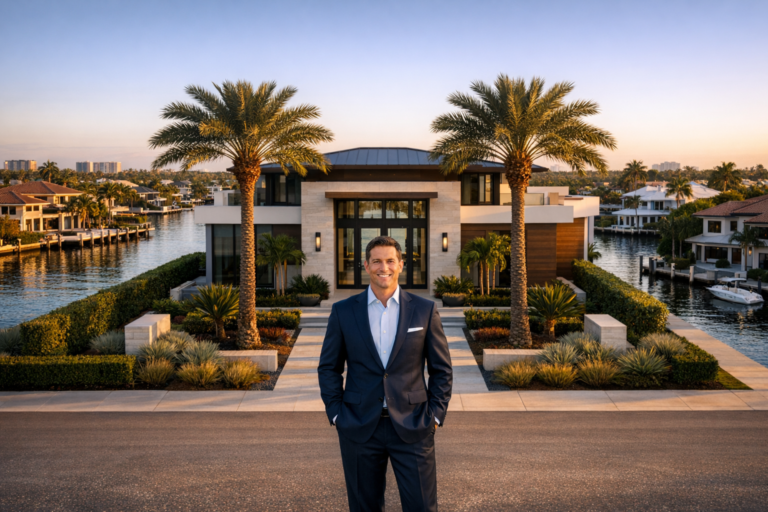
For hotels and resorts in Fort Lauderdale, the first impression often happens long before a guest reaches the lobby. Travelers compare properties online, evaluate amenities in seconds, and look for visual proof that a destination matches the experience they want. Professional drone photography gives hospitality brands a clearer way to show scale, setting, waterfront access, outdoor amenities, and the surrounding lifestyle that ground-level photos can only partially capture.
Fort Lauderdale is especially well suited for aerial hospitality imagery. Oceanfront resorts, Intracoastal views, marina access, rooftop spaces, pool decks, courtyards, restaurants, and event lawns all benefit from a wider perspective. The right aerial images help guests understand not only what the property looks like, but where it sits, how it connects to the beach or waterway, and what makes the location valuable.
Effective hotel drone photography is not simply about flying over a building and taking attractive pictures. It requires planning, aviation compliance, brand awareness, guest privacy, safety coordination, and an understanding of what hospitality buyers need to see before they book.
Why Drone Photography Matters for Fort Lauderdale Hotels and Resorts
Hotel photography has one job: help potential guests make confident decisions. Drone imagery expands that story by showing features that are difficult to communicate from eye level. A beach resort can show its proximity to the sand. A boutique hotel near Las Olas can show its neighborhood context. A waterfront property can showcase dockage, sunset views, pool areas, and access to nearby attractions.
For hospitality marketing teams, aerial photography can support multiple business goals, including direct bookings, group sales, event inquiries, seasonal campaigns, OTA listings, social media, website refreshes, press kits, and investor presentations. The same set of professional aerial assets can often serve several departments when planned correctly.
Guests do not only want to know what a room looks like. They want to understand the full experience: arrival, views, amenities, walkability, outdoor spaces, water access, and the atmosphere around the property. Drone photography helps answer those questions visually.
What Hotel Drone Photography Can Showcase
The most valuable aerial images are intentional. They highlight the property’s strongest selling points and remove uncertainty for the viewer. For Fort Lauderdale hotels and resorts, that often includes a mix of location, design, amenities, and lifestyle.
Beachfront and Waterfront Access
Properties near the Atlantic Ocean, the Intracoastal Waterway, canals, or marinas can use aerial imagery to show exactly how close guests are to the water. This is especially useful when distance and access are major selling points. A carefully planned drone photo can show beach proximity, pool-to-ocean relationships, marina slips, water taxi access, or sunset-facing outdoor areas in a single frame.
Pool Decks, Courtyards, and Outdoor Amenities
Outdoor amenities are often central to the guest experience in South Florida. Drone photography can capture pool layouts, cabanas, lounge areas, tropical landscaping, outdoor bars, terraces, and event lawns from a perspective that feels spacious and inviting. These images are particularly useful for resort websites and seasonal campaigns.
Architecture and Property Scale
Hotels with distinctive architecture, renovated exteriors, large footprints, or multiple buildings benefit from aerial documentation. Drone images can show symmetry, design, entryways, parking flow, rooftop features, and how the property sits within its environment. This is valuable for brand marketing as well as ownership and asset management communications.
Event and Meeting Spaces
Fort Lauderdale hotels often compete for weddings, corporate retreats, conferences, and private events. Drone photography can show outdoor ceremony locations, waterfront reception spaces, lawn capacity, arrival areas, and the relationship between event spaces and guest accommodations. For event planners, this context can reduce uncertainty before a site visit.
Planning a Hotel Drone Photography Session
The best results come from preparation. A professional drone session should be built around the hotel’s marketing goals, property schedule, guest activity, and weather conditions. Before flight day, the team should identify what the images need to accomplish and where they will be used.
A practical planning process often includes creating a shot list, reviewing property maps, identifying priority amenities, confirming access areas, selecting optimal flight windows, and coordinating with operations or security teams. For active hotels, communication is essential because drone operations must be conducted without disrupting guests, staff, valet areas, or events.
Hotels should also think about timing. Early morning can provide cleaner pool decks, calmer winds, lighter guest activity, and soft natural light. Late afternoon can create warmer tones and appealing shadows, especially for west-facing amenities or waterfront scenes. Midday may work for bright water color and high-energy resort imagery, but it can also create harsher shadows. The right time depends on the property’s orientation and marketing style.
Safety, FAA Compliance, and Guest Privacy
Commercial drone work for hotels should be handled by an FAA Part 107 certified remote pilot. This matters because hotel properties are complex operating environments. They may be near controlled airspace, busy roads, beaches, boats, neighboring buildings, or populated outdoor areas. A professional provider should evaluate airspace, weather, flight restrictions, obstacles, takeoff locations, and safe operating distances before flying.
Fort Lauderdale and the surrounding South Florida region include areas where airspace authorization may be required depending on the location. A responsible drone operator will check current airspace conditions and obtain required authorization when applicable. They should also understand that drone flights are affected by wind, rain, temporary flight restrictions, nearby aircraft activity, and visibility conditions.
Guest privacy is another important consideration. Hotel drone photography should be planned to minimize the capture of identifiable guests whenever possible. This may involve flying during lower-traffic periods, avoiding occupied balconies, coordinating around pool activity, or focusing on wide property compositions rather than close views of people. Professional hospitality imagery should make the property look inviting while respecting the guest experience.
How Hotels Can Prepare for Better Aerial Images
A drone can capture impressive perspectives, but property readiness still makes a major difference. Small details become visible from above, especially around pools, rooftops, parking areas, courtyards, and landscaping. A short preparation checklist can improve the final gallery significantly.
- Clean and stage pool decks, cabanas, outdoor dining areas, and terraces.
- Remove unnecessary maintenance equipment, carts, cones, and temporary signage.
- Coordinate with valet, security, and operations teams before the shoot.
- Confirm whether active events, deliveries, or maintenance work may affect the schedule.
- Prepare key amenity areas before the selected flight window.
- Identify any sensitive areas that should not be photographed.
- Share brand guidelines or preferred visual style with the drone team.
For resorts, it can also help to coordinate with landscaping and pool teams so the property looks its best during the shoot. If the goal is to support luxury marketing, visual consistency matters. Outdoor furniture alignment, umbrellas, towels, deck cleanliness, and lighting all contribute to the final impression.
What to Look for When Hiring a Hotel Drone Photographer
Not every drone operator is suited for hospitality work. Hotels and resorts should look for a provider who understands both aviation requirements and commercial marketing needs. Technical flight skill is important, but so is the ability to compose images that support booking decisions.
When evaluating a drone photography company, ask whether the pilot is FAA Part 107 certified, how they handle airspace review, what their process is for guest privacy, and whether they carry appropriate commercial drone insurance. It is also worth reviewing whether their portfolio includes commercial properties, hospitality spaces, construction sites, or real estate assets rather than only recreational aerial images.
Deliverables should be clearly defined before the shoot. Hotels may need high-resolution images for websites, properly sized files for digital campaigns, vertical crops for social media, or edited images that match an established brand look. Clarifying usage needs in advance helps ensure the final assets are practical for the marketing team.
Common Mistakes That Reduce the Value of Hotel Drone Photography
One common mistake is scheduling the shoot without considering light, weather, or property activity. A beautiful resort can appear flat or cluttered if photographed at the wrong time or during operational congestion. Another mistake is focusing only on dramatic aerial height. Higher is not always better. Many of the strongest hotel images come from moderate altitudes that show amenities clearly while still providing context.
Another issue is failing to create a shot list. Without a plan, important features can be missed, such as rooftop venues, beach entrances, outdoor dining, marina access, or newly renovated areas. Hotels should also avoid relying on outdated aerial photos, especially after renovations, rebranding, landscaping improvements, or neighboring development changes.
Finally, hotels should be cautious about using drone imagery that feels unrealistic or overprocessed. Strong editing should enhance the property without misleading guests. The goal is to create polished, accurate, trustworthy images that reflect the real guest experience.
FAQ: Hotel Drone Photography in Fort Lauderdale
Do Fort Lauderdale hotels need a licensed drone pilot?
Yes. Drone photography used for hotel marketing is a commercial operation and should be performed by an FAA Part 107 certified remote pilot. This helps ensure the flight is handled professionally and in accordance with applicable FAA requirements.
Can drone photography be done while guests are on property?
In many cases, yes, but it requires careful planning. A professional drone team should coordinate with hotel staff, avoid unnecessary disruption, respect guest privacy, and choose flight paths and timing that support a safe operation.
What is the best time of day for hotel aerial photography?
Early morning and late afternoon often provide attractive natural light and reduced guest activity. Midday can be useful for bright water and pool color. The best time depends on the property’s orientation, amenities, and desired visual style.
Can drone photos help market hotel event spaces?
Yes. Aerial images can show outdoor event lawns, waterfront ceremony areas, rooftop venues, arrival areas, and how meeting spaces relate to guest rooms and amenities. This is useful for wedding planners, corporate event teams, and group sales.
How should a hotel prepare before a drone shoot?
Hotels should clean and stage outdoor areas, coordinate with operations teams, remove temporary clutter, identify key amenities, and communicate any sensitive areas. A prepared property typically produces stronger, more usable images.
Professional Drone Photography for Fort Lauderdale Hospitality Properties
High-quality aerial imagery helps hotels and resorts communicate what makes their property worth choosing. In a market as visual and competitive as Fort Lauderdale, guests want to see location, amenities, atmosphere, and value before they book. Drone photography gives hospitality brands a practical way to show those details clearly and confidently.
Skyview Motions provides FAA Part 107 certified commercial drone photography for hotels, resorts, commercial real estate, construction, and event properties throughout South Florida. For hospitality teams planning a website update, seasonal campaign, property refresh, or event sales push, a professionally planned aerial shoot can create visual assets that support marketing across multiple channels.
If your Fort Lauderdale hotel or resort needs polished aerial imagery that reflects the quality of the guest experience, Skyview Motions can help plan and capture drone photography with the professionalism, safety awareness, and commercial focus your property requires.