A property can be well located, professionally maintained, and priced correctly, yet still struggle to make a strong first impression if the photography is weak. In real estate marketing, images do more than show what a property looks like. They shape perception before a prospect ever schedules a tour, requests details, or drives by the location.
The most damaging real estate photography mistakes are not always obvious. A photo may be sharp and properly exposed, but still fail because it hides scale, misses key selling points, uses poor angles, or does not help the viewer understand the property. For commercial real estate, development sites, multifamily communities, retail centers, office buildings, industrial properties, and high-value residential listings, that difference matters.
Below are the mistakes that most often make a strong property look average, along with practical ways to avoid them.
Treating Real Estate Photography as Documentation Instead of Marketing
One of the biggest mistakes is assuming the purpose of real estate photography is simply to document rooms, buildings, or acreage. Documentation shows that something exists. Marketing photography helps a buyer, tenant, investor, or decision-maker understand why it matters.
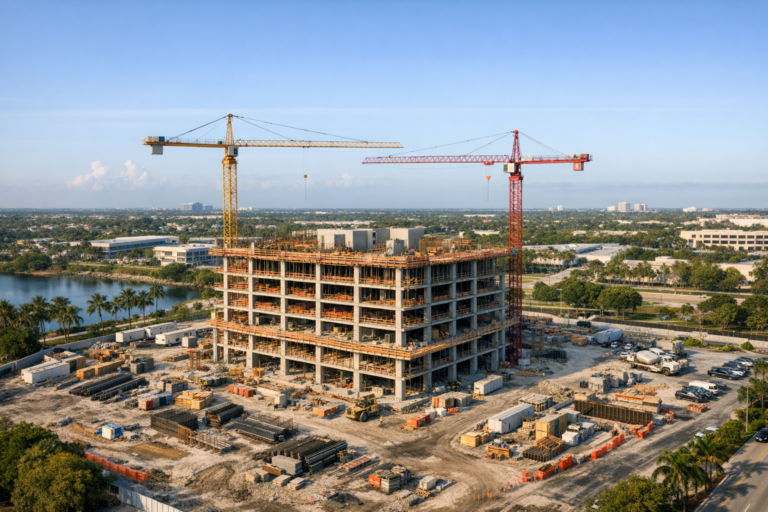
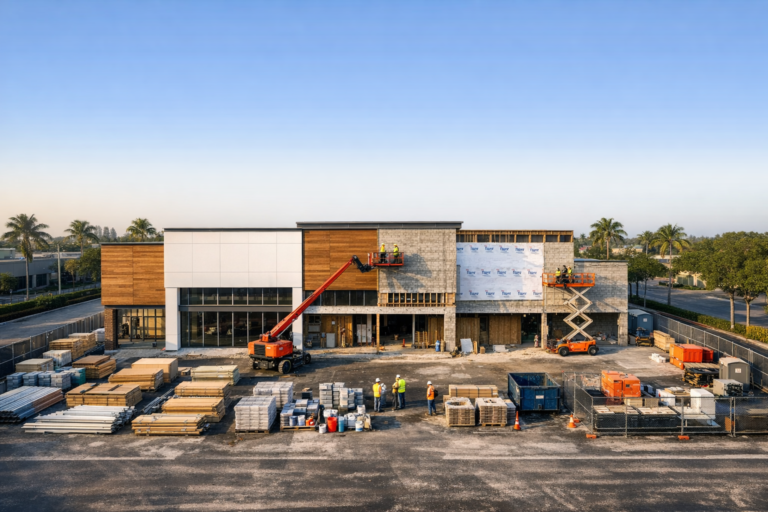
A basic photo may show the front of a building. A strategic photo shows access, curb appeal, parking, signage visibility, proximity to major roads, landscaping, and the character of the surrounding area. For a construction or development site, a basic image may show dirt and equipment. A stronger visual shows progress, scale, site organization, surrounding infrastructure, and future potential.
Before any camera goes up, the right question is not, “What should we photograph?” It is, “What does the viewer need to understand quickly?” That answer should guide the shot list, timing, angles, and final image selection.
Using Poor Lighting That Flattens the Property
Lighting can make a high-quality property feel inviting, dimensional, and polished. It can also make the same property appear dull, harsh, or unremarkable. Midday sun in South Florida often creates hard shadows, bright concrete, reflective glass, and washed-out skies. On the other hand, shooting too late can leave building details underexposed or muddy.
For exterior real estate photography, the best timing depends on the direction the property faces, the surrounding structures, and the desired mood. Early morning or late afternoon often creates more attractive shadows and warmer color, but that is not always automatically the best choice. A retail center may need sun on the storefronts. An industrial property may need enough light to show yard space and access points clearly. A waterfront property may benefit from a time of day when reflections and water color look strongest.
The mistake is not simply shooting at the wrong hour. The deeper mistake is failing to plan around the property’s orientation and purpose.
Ignoring Composition and Camera Height
Real estate photography is not just about pointing a camera at a property. Camera height, lens choice, and composition all influence how large, balanced, and valuable a property appears.
Ground-level images taken too close can distort buildings and make vertical lines lean. Interior images shot from awkward corners can make spaces feel smaller or confusing. Exterior images taken from eye level may hide parking, access roads, roof condition, outdoor amenities, or neighboring anchors.
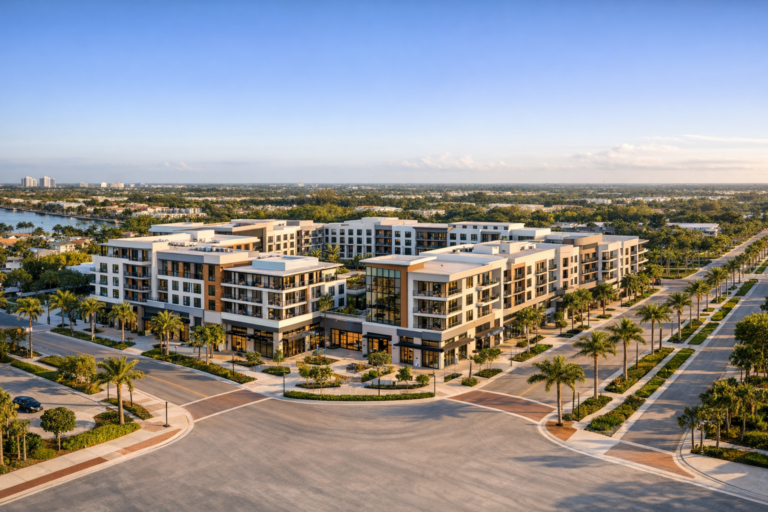
Drone photography can solve many of these problems, but only when used intentionally. A drone flown too high can make a property disappear into its surroundings. A drone flown too low may not provide enough context. The right aerial height depends on what the image needs to communicate: frontage, acreage, traffic flow, proximity, construction progress, or the relationship between buildings.
Helpful composition principles
- Keep vertical lines as straight and natural as possible.
- Show entrances, access points, and primary facades clearly.
- Avoid cluttered foregrounds that distract from the property.
- Use aerial views to explain location and scale, not just to look impressive.
- Capture a mix of wide context shots and detail-focused images.
Failing to Prepare the Property Before the Shoot
Even excellent photography cannot fully overcome poor preparation. Small distractions can make a property feel less cared for, especially in listing photos where viewers study details closely.
For commercial properties, preparation may include removing temporary signs, clearing visible trash, organizing outdoor furniture, cleaning storefront glass, coordinating parked vehicles, trimming landscaping, and ensuring entrances are presentable. For construction sites, preparation may involve identifying safe access areas, organizing materials where practical, and confirming which parts of the site should or should not be emphasized.
For property managers and brokers, the simplest approach is to walk the property with the photos in mind. Ask what a first-time viewer will notice. A stain on pavement, overflowing dumpster, poorly placed cone, or random vehicle may seem minor in person, but it can dominate a photo.
Showing Too Much or Too Little Context
Context is one of the most important advantages of professional real estate photography, especially when aerial images are involved. However, context must be carefully controlled.
Showing too little context can make a property feel isolated or difficult to evaluate. This is common when listings rely only on close exterior photos and interior images. The viewer may still wonder: How visible is the building from the road? Is there enough parking? What surrounds the site? How close is it to major corridors, residential areas, beaches, downtown districts, or other commercial anchors?
Showing too much context can create a different problem. If the aerial view is too wide, the property may become visually lost. If nearby distractions are emphasized, the viewer’s attention may shift away from the asset. The goal is to give enough context to answer business questions without diluting the property’s strengths.
Overlooking Drone Photography for Commercial Real Estate
For many commercial properties, ground photography alone is incomplete. Aerial photography can reveal information that is difficult or impossible to communicate from the street.
Drone imagery is especially useful for showing site boundaries, rooflines, parking fields, ingress and egress, neighboring developments, waterfront positioning, road proximity, and construction progress. For land, industrial, retail, multifamily, and hospitality properties, an aerial perspective often helps prospects understand the asset faster.
The mistake is assuming drone photography is only for dramatic beauty shots. While attractive aerial images are valuable, the best commercial drone photos are both visually strong and informative. They help viewers answer practical questions: How is the property laid out? What is nearby? How accessible is it? What makes the location compelling?
Professional drone work also requires safe, compliant operation. Commercial drone flights should be handled by an FAA Part 107 certified remote pilot who understands airspace, site conditions, weather, people and vehicle movement, and the limitations of operating near buildings or active job sites.
Using Inconsistent Image Quality Across a Listing
A listing can lose credibility when the photography feels inconsistent. This often happens when professional exterior photos are mixed with phone images, older photos, screenshots, or poorly edited drone images. Even if each image shows something useful, the inconsistent quality can make the marketing package feel less polished.
Consistency matters across exposure, color, sharpness, perspective, and editing style. A viewer should move through the image gallery without feeling like the property is being represented by several unrelated sources. This is particularly important for commercial real estate teams presenting assets to investors, tenants, lenders, or corporate decision-makers.
A cohesive visual package does not mean every photo should look identical. It means the gallery should feel intentional and professionally directed.
Overediting Until the Property Looks Unrealistic
Editing is necessary. Overediting is a mistake. Heavy saturation, unnatural skies, exaggerated green grass, extreme contrast, and overly bright interiors can make images feel artificial. In commercial real estate, this can create trust issues because sophisticated viewers want visuals that are attractive but accurate.
The goal of editing should be to represent the property at its best while staying believable. Correcting exposure, balancing color, straightening lines, reducing minor distractions, and creating a clean final presentation are appropriate. Making the property look materially different from reality is not.
This is especially important for drone photography. Aerial images naturally include roofs, pavement, neighboring parcels, roads, and utility areas. Professional editing should enhance clarity and presentation without misleading the viewer.
Missing the Property’s Most Important Selling Points
Not every property should be photographed the same way. A medical office, marina, warehouse, apartment community, shopping plaza, restaurant, and development site each have different selling points. A common mistake is using a generic shot list without considering what actually drives value.
For example, a retail property may need clear images of visibility, storefronts, traffic access, parking, and neighboring tenants. A multifamily community may need amenities, walkability, landscaping, unit exteriors, pool areas, and location context. An industrial site may need loading areas, yard space, truck circulation, roof visibility, and proximity to highways or ports.
Strong photography starts with understanding the property type and the intended audience. The best images are not just attractive; they are relevant.
Forgetting How Photos Will Be Used
Another overlooked mistake is failing to shoot for the final use. Images may appear on listing platforms, offering memorandums, websites, social media, email campaigns, leasing presentations, construction reports, investor updates, or event recaps. Each use may require different framing, orientation, and resolution.
A website hero image needs room for text and a wide crop. A brochure may need vertical and horizontal options. A leasing package may need clear exterior identification. Social media may benefit from tighter, more visually immediate compositions. If these needs are not discussed before the shoot, the final gallery may be beautiful but difficult to use.
Professional planning helps ensure the shoot produces practical marketing assets, not just individual photos.
Practical Checklist to Avoid Weak Real Estate Photos
Before scheduling photography, property owners, brokers, and marketing teams can improve the final results by using a simple preparation process.
- Define the target audience and what they need to understand.
- List the property’s top selling points before creating the shot list.
- Prepare entrances, landscaping, parking areas, signage, and visible common areas.
- Consider the best time of day based on sun direction and exterior presentation.
- Plan both ground-level and aerial perspectives when location or scale matters.
- Confirm any site access, safety, or operational restrictions in advance.
- Discuss final usage needs such as web banners, brochures, listings, and social media.
- Review the final gallery for accuracy, consistency, and completeness.
FAQ
What are the most common real estate photography mistakes?
The most common mistakes include poor lighting, weak composition, lack of property preparation, overediting, missing key selling points, inconsistent image quality, and failing to show useful location context. For commercial properties, relying only on ground-level photos is also a common limitation.
Can drone photography improve a real estate listing?
Yes, especially when the property’s location, size, layout, access, or surroundings are important to the decision. Drone photography can show scale, parking, road proximity, surrounding development, waterfront position, and construction progress in ways ground photography cannot.
Is professional photography worth it for commercial real estate?
Professional photography is often worthwhile because commercial real estate decisions involve significant financial commitments. Clear, accurate, polished visuals can help prospects evaluate a property faster and can support brochures, listings, investor materials, websites, and leasing campaigns.
How should a property be prepared before a photo shoot?
Preparation should focus on removing distractions and making the property look organized and well maintained. Clean visible areas, coordinate parking when possible, remove temporary clutter, check landscaping, confirm access, and identify any areas that should be emphasized or avoided.
How much editing is appropriate for real estate photography?
Editing should improve clarity, color balance, exposure, alignment, and overall presentation without misrepresenting the property. The finished images should look polished but realistic, especially for commercial buyers, tenants, investors, and stakeholders.
Conclusion
Great real estate photography is not accidental. It comes from planning, understanding the property, choosing the right light and angles, preparing the site, and creating images that answer the viewer’s most important questions. The biggest real estate photography mistakes happen when visuals are treated as an afterthought instead of a core part of the marketing strategy.
For commercial properties, development sites, construction projects, and high-value listings, professional aerial and ground visuals can make the difference between a property that is simply seen and one that is seriously considered. Skyview Motions provides FAA Part 107 certified commercial drone photography and videography throughout South Florida, helping real estate professionals, property owners, developers, and construction teams present their properties with clarity, accuracy, and confidence.