Real estate photos do more than show what a property looks like. They shape a buyer’s first impression before a showing is scheduled, a brochure is opened, or a phone call is made. Whether the audience is a tenant representative, investor, developer, business owner, or high-end residential buyer, people begin judging a property the moment the first image appears on screen.
That is why professional real estate photography is not just about having sharp images. It is about controlling what buyers notice first, how they move through the property visually, and whether the photography gives them enough confidence to take the next step.
Many articles on real estate photos focus only on brightness, wide angles, and curb appeal. Those things matter, but buyers notice much more. They pick up on scale, cleanliness, context, layout, lighting quality, surrounding land use, parking, access, and whether the images feel honest. For commercial properties in particular, buyers and decision-makers are looking for business value, not just attractive rooms.
Below is a practical breakdown of what buyers notice first in professional real estate photos and how the right visual strategy can make a property easier to understand, evaluate, and remember.
The First Image Sets the Standard for the Entire Property
The lead photo carries more weight than any other image in a listing or marketing campaign. It is often the thumbnail buyers see in search results, email campaigns, listing platforms, social media posts, and offering materials. If the first image feels unattractive, confusing, or poorly composed, many buyers will never look further.
A strong lead image should immediately answer a simple question: What is this property, and why should I care?
For a commercial building, that may mean a clean exterior angle showing the front elevation, signage area, access points, landscaping, and surrounding context. For a retail center, it may mean showing visibility from the road, parking availability, and tenant frontage. For a development site, an aerial view may be the best first image because it communicates location, boundaries, nearby roads, and surrounding growth.
Professional photographers think carefully about this first impression. The goal is not simply to make a property look attractive. The goal is to make it instantly understandable.
Buyers Notice Light Quality Before They Notice Detail
Lighting is one of the first things buyers respond to, even if they cannot explain why. Harsh shadows, blown-out windows, dark corners, and uneven color can make a property feel less appealing. Balanced, natural-looking light creates a sense of openness, cleanliness, and quality.
In professional real estate photography, good lighting does not mean making every image overly bright. It means showing the property clearly while preserving a realistic atmosphere. Exterior photography may benefit from early morning or late afternoon light when the sun is lower and the building has more dimension. Interior spaces require careful exposure so rooms feel open without losing window detail or accurate colors.
In South Florida, light can be especially intense during midday. Reflective glass, white stucco, bright pavement, and water views can easily create contrast problems. Experienced photographers plan around these conditions rather than relying on editing to fix everything later.
Composition Tells Buyers Where to Look
Composition is the difference between a photo that feels intentional and one that feels accidental. Buyers notice clean lines, balanced framing, and clear focal points because those elements make the property easier to process.
Poor composition can make even a strong asset look smaller, cluttered, or awkward. Crooked vertical lines may make a building appear distorted. Too much ceiling or pavement can waste visual space. Random objects in the foreground can distract from the feature that matters.
Professional real estate photography uses composition to guide attention. In an office lobby, the frame may emphasize ceiling height, finishes, and the path to reception. In a warehouse, the composition may highlight clear height, loading areas, and open floor space. For a hotel, resort, or event venue, the image may lead the viewer toward the pool deck, ballroom, waterfront, or guest arrival experience.
The best photos look natural, but they are rarely casual. They are built around what the buyer needs to understand.
Cleanliness and Visual Order Matter More Than Many Sellers Realize
Buyers notice visual clutter quickly. Vehicles parked in the wrong place, trash bins, exposed cords, construction debris, personal items, uneven furniture, dead landscaping, floor stains, and messy work areas all draw attention away from the property’s strengths.
This is true for commercial real estate as much as residential. A buyer may understand that a property is operational or under construction, but clutter still affects perception. It suggests lack of preparation and makes it harder to see the asset clearly.
Before a professional shoot, property teams should walk the site with photos in mind. Remove unnecessary items, clean high-visibility areas, organize common spaces, and coordinate access to important rooms, rooftops, loading docks, amenities, and exterior areas. If tenant spaces or active job sites are involved, expectations should be set in advance so the photography window is productive.
A prepared property photographs better, requires less editing, and presents a more credible impression to serious buyers.
Scale Is One of the Biggest Questions Buyers Want Answered
One of the most important jobs of real estate photography is communicating scale. Buyers want to understand how large a space feels, how buildings relate to parking and roads, how land is positioned, and how usable the property appears.
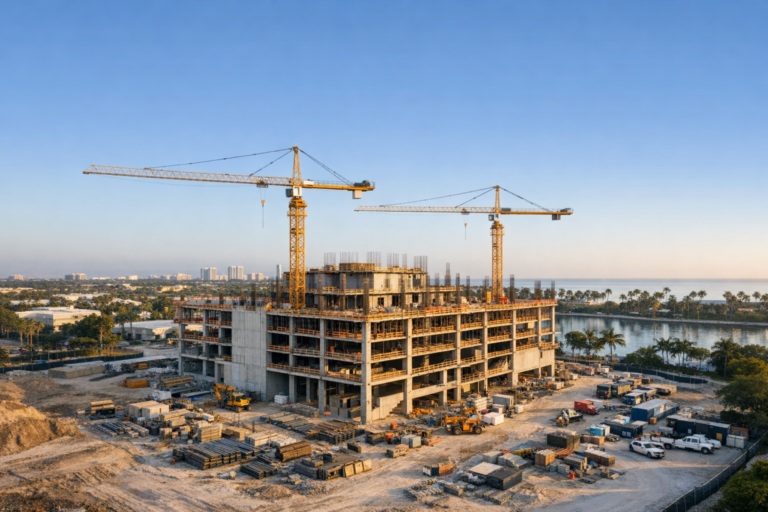
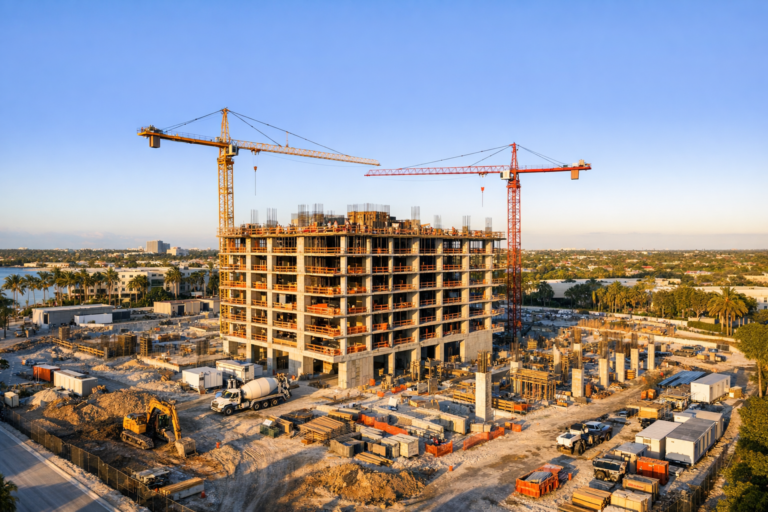
Ground-level images are valuable for showing detail. Aerial images are often better for showing scale and context. This is where professional drone photography becomes especially useful for commercial real estate, development parcels, industrial sites, shopping centers, multifamily properties, resorts, marinas, and large event venues.
An aerial image can show details that are difficult to explain with words alone, including site access, building orientation, traffic flow, proximity to major roads, neighboring properties, water features, rooftops, parking fields, and expansion areas. For out-of-market investors or corporate decision-makers, that context can be extremely important.
What Aerial Photos Help Buyers Understand
Professional aerial real estate images can help answer practical questions such as:
- How visible is the property from nearby roads?
- How much parking is available and how is it arranged?
- What surrounds the property?
- How close is the asset to water, highways, intersections, or commercial corridors?
- Where are access points, loading areas, entrances, and outdoor amenities?
- Does the property have room for expansion, repositioning, or redevelopment?
For commercial buyers, these are not minor details. They influence use, value, leasing potential, and long-term strategy.
Buyers Look for Authenticity, Not Over-Editing
Editing is necessary in professional real estate photography, but over-editing can damage trust. Buyers notice when skies look unnatural, colors are exaggerated, grass appears artificially neon, or rooms look dramatically different from reality. A polished image should still feel believable.
Good editing corrects exposure, color balance, lens distortion, perspective, and minor distractions when appropriate. It should enhance clarity without misrepresenting the property. This is especially important in commercial real estate, where buyers, tenants, investors, and brokers may compare photos against site visits, due diligence materials, surveys, plans, and inspection findings.
Accurate visual presentation builds confidence. Misleading imagery may attract attention at first, but it can create disappointment later. The most effective property photos make the asset look its best while staying grounded in reality.
The Photo Sequence Affects How Buyers Experience the Property
Buyers do not judge each image in isolation. They experience the full sequence. A strong image order should feel like a guided tour, moving from the most important exterior view to context, access, interiors, amenities, special features, and supporting details.
For a commercial property, a thoughtful photo sequence might begin with a hero exterior or aerial, then show location context, entry points, parking, lobby, main usable areas, amenities, rear access, loading areas, rooftop systems if relevant, and surrounding neighborhood. For a luxury listing or hospitality property, the sequence may focus more on arrival experience, views, outdoor living, interiors, amenities, and lifestyle.
When the sequence jumps randomly from room to room or mixes weak images with strong ones, buyers have to work harder to understand the property. Professional media should reduce friction. It should help the viewer build a clear mental map.
Commercial Buyers Notice Function as Much as Appearance
In residential marketing, emotion often plays a major role. In commercial real estate, function is just as important. A property can be beautiful, but buyers still want to know whether it works for their business, tenants, operations, or investment goals.
That means photography should highlight features that matter to decision-makers. For office properties, that may include common areas, conference spaces, window lines, elevator lobbies, building access, and parking. For industrial properties, it may include truck courts, loading doors, clear-span areas, ceiling height, secure yards, and access routes. For retail, buyers often care about frontage, visibility, intersections, parking, signage opportunities, and neighboring traffic generators.
Professional real estate photography should not treat every property the same. A strong photographer asks what the property is being used for, who the target viewer is, and which features support the sale, lease, or marketing objective.
Small Details Can Quietly Build or Break Confidence
Buyers often notice small details without consciously focusing on them. Clean windows, straight furniture, trimmed landscaping, fresh pavement striping, organized conference rooms, visible building entrances, and uncluttered amenities all contribute to a sense of care.
The opposite is also true. A crooked sign, dirty entrance, blocked doorway, missing ceiling tile, poor angle, or unflattering shadow can raise questions. Sometimes those details are easy to fix before the shoot. Other times, they simply need to be avoided through better timing, framing, or shot selection.
This is why preparation matters. A professional shoot should not be treated as a quick checklist item. It is a marketing opportunity, and the details shape the outcome.
How to Prepare a Property for Better Real Estate Photos
A little preparation can significantly improve the final image set. Before scheduling photography, property owners, brokers, and managers should consider the following steps:
- Choose the best time of day for exterior light based on building orientation.
- Clean key exterior areas, entrances, lobbies, windows, and common spaces.
- Move vehicles, dumpsters, cones, and temporary equipment when possible.
- Coordinate tenant access, security access, roof access, and elevator access in advance.
- Turn on interior lights and replace bulbs that are out or mismatched.
- Stage conference rooms, amenity spaces, model units, or hospitality areas neatly.
- Identify must-have shots before the photographer arrives.
- Confirm whether drone photography is appropriate for the property and location.
For drone operations, it is important to work with a qualified commercial drone operator who understands FAA Part 107 requirements, airspace considerations, safety planning, and property-specific limitations. Not every site can be flown the same way, especially near airports, busy roads, dense urban areas, or sensitive locations.
Why Professional Execution Matters
Modern buyers are surrounded by property images every day. They can quickly recognize the difference between rushed photos and professional work. The right photographer brings more than equipment. They bring judgment.
That judgment includes knowing when to use aerial coverage, which angles communicate value, how to avoid distortion, how to preserve realistic color, how to handle difficult sunlight, and how to organize a shot list around the buyer’s priorities. For commercial properties, this also includes understanding business use cases, site logistics, access, safety, and the importance of accurate visual context.
Skyview Motions provides commercial drone photography and videography for real estate, construction, events, and property marketing throughout South Florida. For real estate professionals, developers, contractors, and business owners, the goal is always the same: create clear, credible visuals that help the audience understand the property faster and make more informed decisions.
FAQ
What do buyers notice first in real estate photos?
Buyers usually notice the lead image, overall lighting, cleanliness, composition, and whether the property looks easy to understand. In commercial real estate, they also pay close attention to scale, access, parking, surrounding context, and the property’s functional value.
Why is professional real estate photography important?
Professional real estate photography helps a property make a stronger first impression, communicate important features clearly, and support more effective marketing. It can also reduce confusion by showing layout, scale, condition, and location context in a more organized way.
Should commercial property listings include drone photos?
Drone photos are often valuable for commercial properties because they show features that ground-level images cannot fully capture. Aerial views can communicate site layout, road access, parking, neighboring properties, land size, waterfront position, or proximity to major corridors.
How many photos does a real estate listing need?
The right number depends on the property size, type, and marketing goal. The image set should be complete enough to answer buyer questions without becoming repetitive. A smaller office suite may need fewer images than a shopping center, industrial site, resort, or development parcel.
Can editing make real estate photos misleading?
Yes. Editing should improve clarity and presentation, but it should not misrepresent the property. Overly dramatic skies, unrealistic colors, excessive retouching, or distorted room sizes can reduce trust when buyers compare the photos to the actual site.
Conclusion
Buyers notice much more than whether a property looks attractive. They notice light, order, scale, context, function, and credibility. The strongest real estate photos answer questions before they are asked and help the right audience understand why a property deserves attention.
For commercial properties, that level of clarity often requires both ground-level photography and carefully planned aerial imagery. When the visuals are professionally composed, accurately edited, and organized around buyer decision-making, they become more than marketing assets. They become a practical tool for selling, leasing, presenting, and positioning the property.
If you are preparing to market a commercial property, development site, construction project, or event venue in South Florida, Skyview Motions can help create professional real estate photography and aerial media that present the property with clarity, accuracy, and confidence.