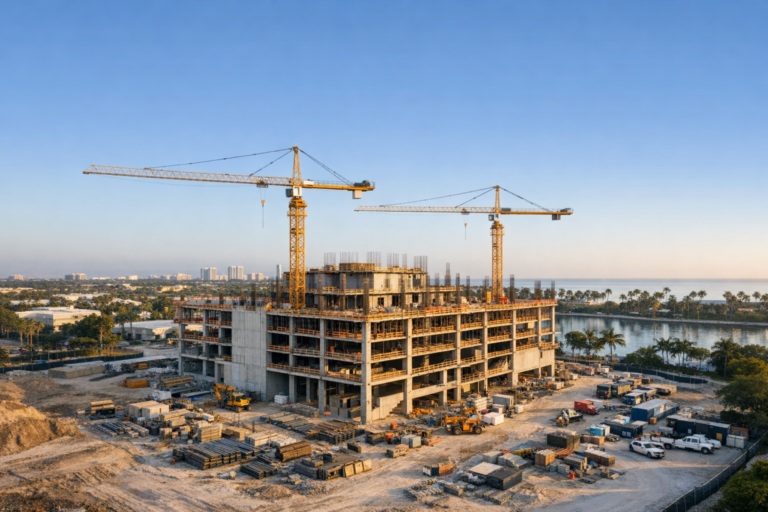
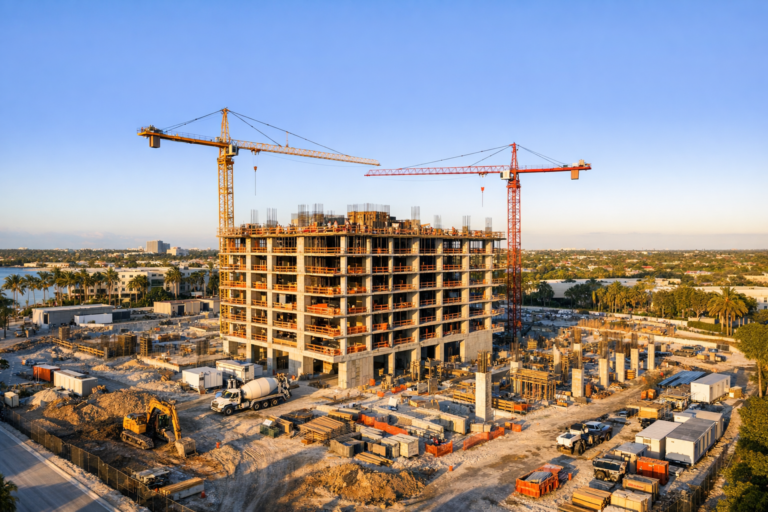
General contractors are responsible for keeping complex projects moving while coordinating owners, subcontractors, architects, engineers, inspectors, lenders, and internal teams. That responsibility becomes much easier when the project is documented clearly and consistently. Professional progress photography gives contractors a reliable visual record of what happened, when it happened, and how the work developed over time.
For many contractors, photos are not just marketing assets. They are project management tools, communication aids, documentation records, and accountability safeguards. When captured correctly, construction photography for contractors helps answer questions that written reports alone often cannot: Was the site ready? Was the installation complete? What condition was the work in before it was covered? How much progress was made compared to last month?
That is why more general contractors use professional ground and drone photography throughout the life of a project. The value is not simply having attractive images. The value is having accurate, organized, repeatable visual documentation that supports better decisions from preconstruction through closeout.
Progress Photography Creates a Reliable Visual Record
Construction moves quickly. Site conditions can change daily, and critical work is often hidden once walls, ceilings, roofing systems, paving, or finishes are installed. Professional progress photography helps preserve those conditions before they disappear.
A consistent visual record can document excavation, sitework, foundations, structural framing, MEP rough-ins, exterior envelope progress, roofing, paving, landscaping, and final completion. For the contractor, this creates a timeline that can be reviewed long after a specific phase is complete.
This record is especially useful when questions arise weeks or months later. Instead of relying on memory, email threads, or scattered phone photos, the construction team can reference high-quality images captured from consistent vantage points. That makes it easier to verify progress, clarify site conditions, and support discussions with project stakeholders.
Why Professional Photography Is Different From Casual Jobsite Photos
Most contractors already take photos on site. Superintendents, project managers, and subcontractors often capture images on mobile phones to document specific issues or daily activities. Those images are useful, but they are not the same as a professional construction photography program.
Professional progress photography is planned, consistent, and intentional. It focuses on repeatable angles, useful coverage, image clarity, safe capture methods, and organized deliverables. The goal is not to take random pictures. The goal is to create a dependable visual system that supports project needs.
Consistency matters
Photos are most valuable when they can be compared over time. A professional provider can capture the same elevations, site corners, rooflines, access roads, staging areas, and aerial perspectives on a recurring schedule. This makes month-to-month and phase-to-phase comparisons much clearer.
Image quality matters
Professional images provide the resolution, composition, and clarity needed for presentations, reports, stakeholder reviews, and marketing. Blurry, poorly framed, or incomplete photos may not provide enough detail when a question needs to be answered later.
Perspective matters
Ground photography shows details at human level. Drone photography shows the full site context. Together, they provide a more complete understanding of access, logistics, building layout, site progress, surrounding conditions, and overall project status.
How General Contractors Use Progress Photography
Progress photography supports many practical functions across a construction project. The same photo set can often serve operations, communication, documentation, and business development needs.
Owner and stakeholder updates
Owners and investors may not visit the jobsite regularly, especially on projects with multiple decision-makers or out-of-town stakeholders. Professional photography gives them a clear view of progress without requiring everyone to be physically present. Contractors can use these images in progress reports, presentations, draw meetings, and internal updates.
Schedule and milestone documentation
Visual documentation helps show when important milestones were reached, such as foundation completion, vertical construction, dry-in, facade work, site paving, or substantial completion. While photos do not replace formal scheduling tools, they provide helpful visual support for project timelines.
Coordination between teams
Construction involves many moving parts. Aerial and ground imagery can help project managers, superintendents, designers, engineers, and trade partners understand current site conditions before making decisions. This can be especially helpful when reviewing access points, staging areas, deliveries, crane locations, laydown areas, or exterior work zones.
Documentation before work is covered
Some of the most important construction work becomes hidden. Professional photography can document conditions before concrete pours, drywall installation, ceiling closure, roofing layers, landscaping, or paving. These images may help clarify what was installed and what conditions existed before later work began.
Marketing and portfolio development
Many contractors invest significant time and resources into delivering high-quality projects but lack strong visual assets to show that work. Progress and completion photography can be used for proposals, websites, social media, qualifications packages, award submissions, case studies, and recruiting materials. Well-composed construction visuals help communicate capability without relying on generic stock imagery.
The Value of Aerial Construction Photography
Drone photography has become one of the most valuable tools for construction documentation because it captures the project from perspectives that are difficult or impossible to achieve from the ground. Aerial images reveal site layout, building footprint, roof conditions, surrounding roads, parking areas, material staging, and the relationship between structures and their environment.
For large commercial sites, multifamily developments, industrial buildings, schools, retail centers, and infrastructure-related work, aerial progress photos can quickly communicate the scale and status of a project. They also help stakeholders understand site logistics in a way that ground-level images often cannot.
Professional drone operations should be conducted by an FAA Part 107 certified remote pilot when used for commercial purposes. This matters because construction sites are active environments with people, equipment, temporary hazards, restricted access points, and changing conditions. A qualified drone provider understands airspace awareness, flight planning, safety considerations, and the importance of coordinating with the project team before flying.
What a Strong Progress Photography Program Should Include
The most effective approach is not occasional photography when someone remembers to schedule it. General contractors get better results when progress photography is planned as part of the project documentation process.
A defined capture schedule
Monthly progress photography is common for many commercial projects, but the right schedule depends on project size, pace, stakeholder needs, and key milestones. Some projects require weekly documentation during fast-moving phases, while others need milestone-based coverage tied to major construction events.
Repeatable viewpoints
Using consistent vantage points makes progress easier to compare over time. This may include the same aerial angles, perimeter views, primary elevations, interior corridors, amenity areas, roof perspectives, site entrances, or staging zones.
Ground and aerial coverage
Aerial photography provides the big picture. Ground photography captures details, finishes, sequencing, and workmanship. A complete documentation plan often includes both, especially for commercial projects with multiple stakeholders.
Organized delivery
Photos should be delivered in a logical manner so project teams can find what they need quickly. Organization by date, phase, location, or viewpoint can make the difference between a useful documentation library and a folder of disconnected images.
Clear communication before each visit
The photographer should understand site access requirements, parking instructions, active work areas, safety protocols, and any priority shots before arriving. On construction sites, preparation saves time and reduces disruption.
Common Mistakes Contractors Should Avoid
Progress photography is most valuable when it is consistent and intentional. Contractors can reduce missed opportunities by avoiding a few common mistakes.
- Waiting until the project is almost complete: Final photos are useful, but they do not capture the story or documentation value of the full build.
- Relying only on phone photos: Casual images may help with daily communication, but they are often inconsistent and difficult to use for formal reporting or marketing.
- Skipping hidden work documentation: Once important work is covered, it may be difficult or impossible to photograph later.
- Using inconsistent viewpoints: Random angles make it harder to compare progress over time.
- Ignoring safety and compliance: Professional construction photography should respect site rules, controlled access, and safe operating procedures.
How Progress Photography Helps Reduce Disputes
Construction projects can involve disagreements about timing, site conditions, sequencing, workmanship, delays, or completed work. Photos do not solve every issue, and they should not be treated as a replacement for contracts, inspections, or formal records. However, clear visual documentation can help support conversations with facts instead of assumptions.
For example, a dated photo set may show whether a specific area was accessible, whether materials had arrived, whether exterior work had advanced, or whether site conditions changed after a weather event. This visual context can help teams resolve questions more efficiently and reduce misunderstandings.
In many cases, the best value of progress photography is preventative. When everyone can see the same visual record, communication improves and fewer people have to rely on secondhand descriptions of the jobsite.
Choosing a Construction Photography Provider
Not every photographer is the right fit for an active construction environment. General contractors should look for a provider that understands commercial jobsites, project documentation, aerial operations, and the need to work efficiently around active crews.
Important questions to ask include:
- Do they provide both ground and drone photography?
- Are commercial drone flights conducted by an FAA Part 107 certified remote pilot?
- Can they capture repeatable viewpoints over multiple visits?
- Do they understand jobsite safety requirements and access procedures?
- Can they deliver organized photo sets suitable for project teams and stakeholders?
- Do they have experience photographing commercial properties, construction sites, or development projects?
For contractors in South Florida, local experience is also valuable. Weather, coastal lighting, dense development, controlled airspace, traffic patterns, and site access can all influence how and when construction photography is captured. A provider familiar with the region can plan more effectively and communicate realistic expectations.
FAQ
How often should general contractors schedule progress photography?
Monthly photography works well for many commercial projects, but fast-moving jobs may benefit from weekly or milestone-based coverage. The best schedule depends on the project timeline, reporting requirements, and the importance of documenting specific phases before they are covered.
Is drone photography necessary for every construction project?
Not every project requires aerial photography, but it is highly useful for projects where site layout, scale, roof progress, exterior work, logistics, or surrounding conditions matter. Many contractors use a combination of drone and ground photography for the most complete documentation.
Can progress photos be used for marketing?
Yes. High-quality progress and completion photos can support websites, proposals, social media, project profiles, presentations, and award submissions. Contractors should plan for marketing use early so the right angles, milestones, and final views are captured.
Do professional photos replace inspections or official reports?
No. Progress photography does not replace professional inspections, engineering reviews, daily reports, or contractual documentation. It supports those records by adding clear visual context.
What should be photographed on a construction site?
Useful subjects include overall site views, building elevations, structural progress, MEP rough-ins, roofing, exterior envelope work, staging areas, access points, major milestones, interior progress, and final completed spaces. The shot list should reflect the needs of the project team.
Professional Progress Photography Supports Better Construction Management
General contractors use professional progress photography because it provides clarity. It helps teams document work, communicate with stakeholders, monitor milestones, reduce confusion, and preserve a visual history of the project from start to finish.
The strongest programs are consistent, organized, and tailored to the way the project is being managed. When ground-level detail is combined with aerial perspective, contractors gain a more complete view of the jobsite and a more useful record for reporting, coordination, and marketing.
Skyview Motions provides professional commercial drone and construction progress photography for contractors, developers, property teams, and commercial real estate professionals throughout South Florida. For projects that need reliable documentation and polished visual assets, a planned photography program can make every phase easier to communicate and preserve.