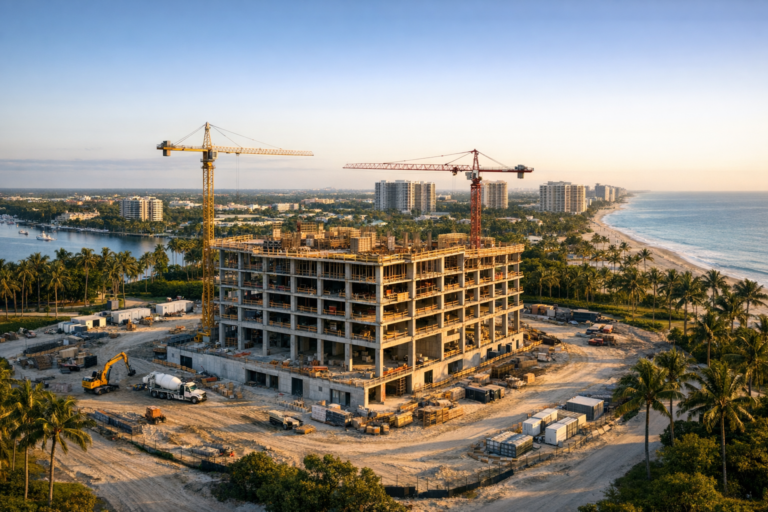
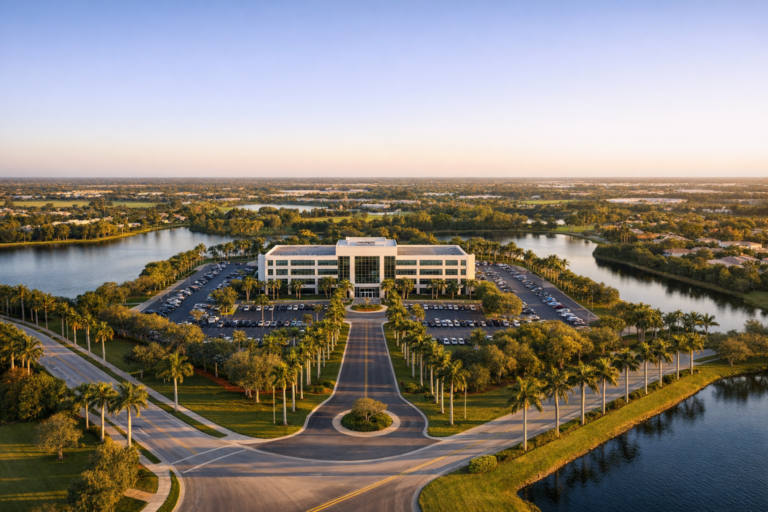
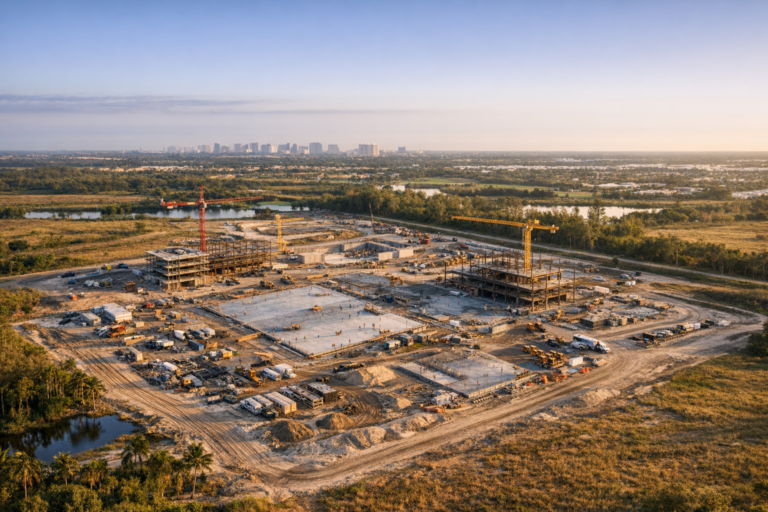
A construction project changes every day. Land is cleared, foundations are poured, structures rise, exteriors take shape, and finished spaces begin to look like the plans that once existed only on paper. Without consistent visual documentation, many of those important changes are easy to miss, difficult to explain, and nearly impossible to recreate later.
That is where construction timeline photography becomes valuable. It creates a clear visual record of a project from the earliest site conditions through completion. For owners, developers, contractors, architects, engineers, and marketing teams, a well-planned visual timeline is more than a collection of attractive images. It is a practical communication tool, a project record, a marketing asset, and a way to show progress with clarity.
When done properly, construction documentation captures the full story: what the site looked like before work began, how the project advanced during each phase, and what the finished result looks like after delivery. Drone photography adds another layer of value by showing the entire jobsite, surrounding access points, staging areas, rooflines, building orientation, and progress that may be difficult to capture from the ground.
What Is Construction Timeline Photography?
Construction timeline photography is the planned, repeatable documentation of a construction project at specific intervals or milestones. The goal is to create consistent visual records that show how the project evolves over time.
This can include aerial drone photos, ground-level photography, interior progress photos, exterior elevation images, detail shots, and final completion photography. The strongest timelines often combine multiple perspectives so stakeholders can understand both the big picture and the details.
A strong timeline is not random. It follows a method. Photos are captured from consistent locations, at useful project intervals, and with a clear purpose. Over time, those images create a visual sequence that can be used in reports, presentations, investor updates, claims documentation, marketing campaigns, leasing materials, and archival project records.
Why a Before, During, and After Approach Matters
Many construction teams take photos only when something looks impressive or when a problem needs to be documented. While those images may be useful in the moment, they rarely tell the full project story. A before, during, and after approach gives the timeline structure and makes the final image set far more valuable.
Before: Establishing the Baseline
Before construction begins, photography documents the original site conditions. This may include undeveloped land, existing buildings, surrounding roads, adjacent properties, drainage conditions, vegetation, access points, utility areas, and site constraints.
These baseline images can help teams reference what was present at the start of the project. For developers and owners, they also provide powerful comparison images once the project is complete. Seeing a finished commercial property, multifamily building, warehouse, school, or hospitality project next to the original site condition can communicate progress more effectively than a written summary.
During: Tracking Progress and Milestones
The construction phase is where timeline photography provides the most ongoing value. Regular aerial and ground photography can document grading, foundations, structural framing, roofing, exterior envelope progress, site work, parking areas, landscaping, and other major milestones.
For general contractors and construction managers, these images can support progress meetings and help remote stakeholders see what is happening on site. For owners and investors, progress visuals make updates easier to understand without requiring everyone to visit the jobsite. For architects and engineers, recurring imagery can help provide context when reviewing visible field conditions.
Drone imagery is especially helpful on larger jobsites because it captures relationships between different work areas. A single aerial image can show staging, material placement, site access, traffic flow, building footprint, and overall progress at once.
After: Showcasing the Completed Project
Final photography documents the completed work and becomes a long-term asset. These images can support leasing, sales, portfolio presentations, award submissions, stakeholder reports, website updates, social media, and future business development.
The after stage should not be treated as an afterthought. The finished project should be photographed when the site is clean, landscaping is presentable, exterior surfaces are complete, and lighting conditions support high-quality imagery. For many commercial properties, a combination of aerial views, exterior architectural angles, amenity images, and context shots creates the strongest final package.
How Drone Photography Strengthens Construction Documentation
Ground-level images are important, but they can only show so much. Drone photography provides a perspective that is often more useful for construction progress documentation because it shows scale, orientation, and site relationships.
From the air, stakeholders can quickly understand how much of the site has been developed, where equipment is staged, how building sections relate to one another, and how work is progressing across the property. This is especially valuable for commercial real estate developments, industrial facilities, road-adjacent projects, waterfront properties, retail centers, and large multifamily communities.
Drone photography also helps produce more consistent visual comparisons. By capturing images from similar angles over time, a project team can see clear differences between each phase. This is useful for monthly reporting, owner updates, and marketing visuals that show transformation.
Professional drone work for commercial projects should be performed by an FAA Part 107 certified remote pilot. In South Florida, this is especially important because many sites are located near airports, controlled airspace, dense urban areas, active roadways, waterfronts, and complex jobsite environments. Safe planning, airspace awareness, weather judgment, and coordination with site personnel are all part of responsible commercial drone operations.
What Should Be Captured in a Construction Visual Timeline?
The right shot list depends on the project, but most construction timelines benefit from a combination of wide views, repeatable progress angles, and milestone-specific details.
- Overall aerial site views: Wide images that show the full property, surrounding roads, access points, staging areas, and project footprint.
- Consistent comparison angles: Repeatable drone perspectives captured from similar positions throughout the project to show change over time.
- Major milestone images: Key phases such as clearing, grading, foundation work, vertical construction, roofing, exterior completion, paving, and landscaping.
- Ground-level context: Exterior elevations, entrances, site conditions, and visible construction details that benefit from a closer perspective.
- Interior progress: When appropriate and safe, interior photos can document framing, mechanical rough-ins, finishes, common areas, and completed spaces.
- Final marketing visuals: Polished images of the completed property for websites, proposals, leasing packages, and stakeholder communications.
A practical timeline should focus on useful documentation rather than simply capturing as many photos as possible. The goal is to create organized, repeatable visuals that answer real project questions.
How Often Should Construction Progress Be Photographed?
There is no single schedule that works for every project. The right frequency depends on the size of the project, the pace of construction, reporting requirements, stakeholder expectations, and how the images will be used.
For many commercial projects, monthly drone photography is a strong starting point. It provides a steady record without overwhelming the team with unnecessary image volume. Fast-moving projects, high-profile developments, or projects with frequent stakeholder updates may benefit from biweekly or weekly documentation. Smaller projects may only need photography at major milestones.
The most important factor is consistency. If progress images are captured from random angles at inconsistent intervals, the timeline becomes harder to use. A planned schedule produces a more reliable record and makes comparisons easier.
Practical Ways Project Teams Use Timeline Photography
Construction visuals serve different departments in different ways. A developer may use them to update investors. A contractor may use them to support progress documentation. A marketing team may use them to build anticipation before a property opens. A property owner may keep them as part of the permanent project archive.
Common uses include owner reports, lender updates, public relations, leasing campaigns, website content, social media, construction meetings, dispute prevention, insurance support, and portfolio documentation. In many cases, the same monthly image set can serve multiple purposes when it is captured professionally and organized clearly.
For example, a commercial real estate team developing a retail center may use early aerial images to show the site location and access from major roads. Mid-project photos can demonstrate vertical progress and tenant pad development. Final drone images can highlight parking, visibility, neighboring businesses, landscaping, and the completed property in its market context.
Planning a Better Construction Timeline Photo Program
The best results come from planning before the first flight or photo session. A project team should define what needs to be documented, who will use the images, how often updates are needed, and which views should be repeated.
Start With the End Use
If the images will support monthly executive reports, consistency and clear site coverage matter most. If they will be used for marketing, lighting, composition, and final polish become more important. If they are being captured for project records, organization and completeness should guide the approach.
Choose Repeatable Viewpoints
Repeatable angles help create meaningful before-and-after comparisons. For drone photography, this often includes wide views from the same general compass directions and elevations when conditions allow. For ground photography, it may include fixed positions at entrances, building corners, and key site areas.
Coordinate With Site Operations
Construction sites are active environments. Drone operations should be coordinated with the project team so flights can be completed safely and efficiently. Weather, crane activity, access restrictions, site hazards, and personnel movement should all be considered.
Organize Deliverables Clearly
Photos should be delivered in a way that makes them easy to use. Clear file organization by date, phase, or milestone helps teams quickly find what they need. For long projects, organization becomes just as important as image quality.
Common Mistakes to Avoid
One of the most common mistakes is waiting too long to start. If the first images are captured after major work has already begun, the project loses its true baseline. Another mistake is relying only on cellphone images from different people, different angles, and inconsistent dates. Those images may be helpful internally, but they rarely create a professional, reliable timeline.
Teams should also avoid capturing only beauty shots. Polished images matter, but a construction timeline should document progress clearly, even when the site is messy, unfinished, or in transition. Finally, do not overlook final photography. Completion images often become the most visible and valuable assets after the project is delivered.
FAQ
What is the difference between construction progress photography and construction timeline photography?
Construction progress photography typically documents current jobsite conditions at a specific point in time. Construction timeline photography connects those progress images into a structured visual sequence that shows change from start to finish.
Is drone photography necessary for every construction project?
Not every project requires drone photography, but aerial imagery is highly valuable for sites where scale, layout, access, roof progress, exterior work, or surrounding context matter. Many commercial projects benefit from combining drone and ground-level photography.
How early should photography begin?
Ideally, photography should begin before clearing, demolition, grading, or site preparation. Early documentation creates a true baseline and makes the final before-and-after comparison more meaningful.
Can construction timeline photos be used for marketing?
Yes. When captured professionally, timeline photos can support websites, social media, leasing materials, presentations, investor updates, and final portfolio pieces. The key is to plan for both documentation and visual quality.
Who should handle commercial drone photography on a construction site?
Commercial drone photography should be handled by an FAA Part 107 certified remote pilot with experience working around active jobsites. Safety, airspace awareness, coordination, and professional image quality all matter.
Build a Visual Record That Works Long After the Project Is Complete
A construction project represents a major investment of time, planning, coordination, and capital. The visual record should reflect that. With a thoughtful before, during, and after approach, construction timeline photography helps teams communicate progress, preserve important records, and showcase the finished result with confidence.
For South Florida developers, builders, property owners, and commercial real estate teams, professional aerial and ground documentation can make project updates clearer and final marketing stronger. Skyview Motions provides commercial drone photography and videography services designed to document construction projects safely, consistently, and professionally from the first site view to the completed property.
If your team is planning a new build, managing an active jobsite, or preparing to showcase a completed project, a structured visual timeline can help you tell the full story with clarity.