Condo listings in South Florida compete in one of the most visually driven real estate markets in the country. Buyers are not only comparing square footage, finishes, and price. They are comparing lifestyle, views, building amenities, beach access, walkability, parking, and the overall sense of place before they ever schedule a showing.
That is why condo real estate photography requires a different approach than photographing a single-family home. A great condo gallery must tell a complete story: the residence, the view, the building, the amenities, and the surrounding neighborhood. For agents, getting this right can mean stronger first impressions, more qualified inquiries, and a listing presentation that accurately reflects the value of the property.
This guide explains what South Florida agents should know before scheduling professional condo photography, especially when drone photography and videography are part of the marketing plan.
Why Condo Photography Is Different From Standard Listing Photography
Condo photography is more layered than simply capturing rooms from attractive angles. In many South Florida buildings, the unit itself is only part of the buyer’s decision. The exterior, views, pool deck, fitness center, lobby, marina access, beach proximity, and nearby commercial corridors can matter just as much.
A buyer considering a high-rise condo in Miami, Fort Lauderdale, Boca Raton, Hollywood, Sunny Isles, or West Palm Beach often wants to understand the full living experience. Is the balcony view open or obstructed? How close is the building to the beach or Intracoastal? What does the pool area look like? Is the building positioned near restaurants, business districts, parks, or entertainment?
Professional photography helps answer those questions visually. When done well, it reduces uncertainty and gives buyers more confidence before they ask for a showing.
The Images Every South Florida Condo Listing Should Include
A strong condo photography package should be planned around how buyers evaluate the property online. The goal is not to create the largest possible gallery. The goal is to create a clear, useful, attractive gallery that helps the right buyer understand the opportunity.
Interior Living Spaces
The living room, kitchen, primary bedroom, bathrooms, balcony, and any flexible spaces should be photographed with clean composition and accurate perspective. Vertical lines should remain straight, rooms should feel natural, and the images should avoid distortion that makes spaces look unrealistic.
For condos, window exposure is especially important. Many units have strong daylight from glass doors, ocean views, or skyline views. A professional approach balances interior brightness with what is visible outside the windows, so the view is not completely lost.
Balcony And View Photography
In South Florida, the view can be one of the most valuable features of a condo. Oceanfront, Intracoastal, golf course, city skyline, marina, and sunset views should be captured thoughtfully. The photographer should consider time of day, sun direction, reflections, and haze.
A balcony should not be treated as an afterthought. It often helps buyers imagine morning coffee, evening entertaining, or seasonal living. A clean balcony shot looking inward and a view-focused shot looking outward can both add value to the listing gallery.
Building Exterior And Arrival Experience
The building exterior establishes context and credibility. A polished exterior image shows condition, scale, architectural style, and curb appeal. For luxury or waterfront condos, exterior photography is essential because it helps define the perceived quality of the address.
Arrival images may include the porte cochere, lobby entrance, valet area, landscaped drive, or waterfront side of the tower. These details help buyers understand the building experience before entering the unit.
Amenity Photography
South Florida condos often compete heavily on amenities. Pool decks, club rooms, fitness centers, co-working lounges, theater rooms, rooftop terraces, cabanas, marina slips, tennis courts, pickleball courts, and private beach access can all influence buyer interest.
Agents should confirm in advance which amenities may be photographed and whether building management requires approval. Some associations have specific rules about photographing common areas, residents, staff, or private spaces.
How Drone Photography Helps Market Condo Listings
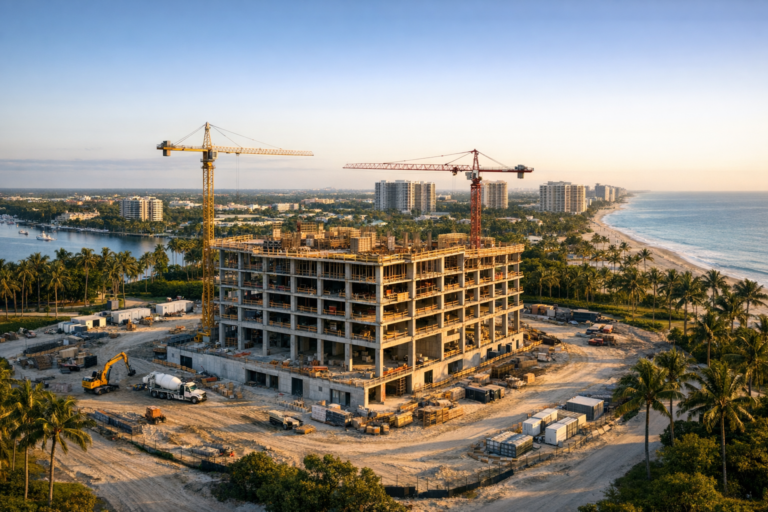
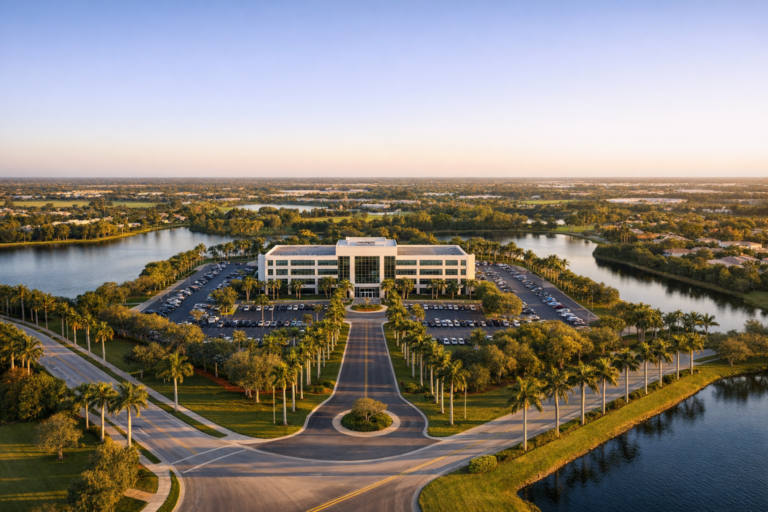
Drone photography can be especially valuable for condos because it shows what ground-level photos cannot: building location, waterfront positioning, beach proximity, nearby landmarks, surrounding development, access routes, and view corridors.
For example, an aerial image can show that a condo tower sits directly on the Intracoastal, just west of the ocean, or within walking distance of restaurants and retail. A ground photo may show a beautiful building, but a drone image explains where that building sits in the larger South Florida environment.
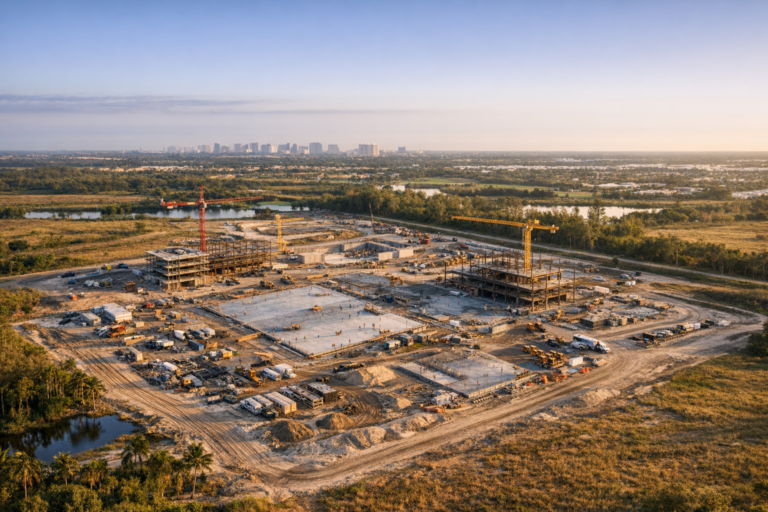
Drone photography can also help highlight features such as rooftop pools, marina frontage, golf course adjacency, mixed-use neighborhoods, and the relationship between the building and major roads or commercial districts. For out-of-area buyers, this context can be extremely useful.
Drone Photography Should Be Planned, Not Improvised
Successful aerial condo photography requires more than sending a drone into the air. The operator must consider airspace, weather, sun angle, building height, surrounding towers, pedestrian areas, privacy, and safe takeoff and landing locations.
In South Florida, many condo buildings are located near airports, heliports, hospitals, seaplane routes, stadiums, ports, and dense urban areas. A professional drone company should understand FAA Part 107 requirements, check controlled airspace when applicable, and operate in a way that prioritizes safety and compliance.
Agents should avoid treating drone work as a last-minute add-on. The best aerial images usually come from planning the shot list, confirming building permissions, and choosing the right time of day.
Timing Matters: Light, Weather, And Seasonal Conditions
South Florida light can be beautiful, but it can also be harsh. Midday sun may create strong shadows, blown-out balcony views, and reflective glare on glass towers. Early morning or late afternoon often produces softer light, warmer color, and more flattering building exteriors.
Waterfront properties require extra attention. Ocean and Intracoastal colors can vary depending on weather, tide, wind, and cloud cover. A clear morning may show vibrant water, while a stormy afternoon can make the same location look flat or gray.
Weather flexibility is important. South Florida conditions can change quickly, especially during the rainy season. If drone photography is part of the shoot, wind and precipitation can affect safety and image quality. Agents should build reasonable scheduling flexibility into the marketing timeline whenever possible.
Preparing A Condo Before The Photo Shoot
Even excellent photography cannot fully overcome poor preparation. A clean, organized, well-staged condo photographs better and helps buyers focus on the property instead of distractions.
Before the shoot, agents and sellers should remove personal items, clear countertops, hide cords, open blinds, turn on consistent lighting, clean glass doors, straighten balcony furniture, and remove clutter from closets if storage areas will be shown. Bathrooms should be cleared of personal products, and kitchens should be simplified as much as possible.
For vacant condos, staging can be helpful when the layout is hard to understand or the space feels cold. If staging is not possible, photography should still emphasize proportions, natural light, views, and flow.
Coordinate Access With The Building
Condo shoots can be delayed by access issues. Parking, front desk procedures, elevator reservations, security check-in, lockbox location, association rules, and amenity access should be confirmed before the photographer arrives.
If drone photography is planned, clarify whether the building or association has its own policies for drone operations from or near the property. FAA rules still apply, but private property policies and management requirements also need to be respected.
Common Mistakes Agents Should Avoid
One of the most common mistakes is focusing only on the unit and ignoring the building lifestyle. A condo listing without exterior, amenity, or location imagery may feel incomplete, especially to buyers relocating from outside the area.
Another mistake is overusing ultra-wide angles. Wide views can help show layout, but excessive distortion can make rooms look unnatural and may disappoint buyers when they visit in person. Professional real estate photography should be attractive while remaining believable.
Agents should also avoid using outdated building photos, inconsistent image styles, or generic neighborhood images that do not clearly relate to the property. Buyers want accurate, current visual information.
Finally, drone photography should never be handled casually. Hiring a qualified, FAA Part 107 certified drone operator helps protect the agent, seller, building, and public while producing better results.
What To Ask Before Hiring A Condo Photographer
Before scheduling a shoot, agents should ask practical questions that reveal whether a photographer understands condo marketing in South Florida.
- Do you offer both ground photography and drone photography?
- Are drone operations conducted by an FAA Part 107 certified remote pilot?
- How do you handle controlled airspace or restricted locations?
- Can you photograph building amenities and exterior areas?
- What time of day do you recommend for this unit and view direction?
- How should the seller prepare the condo before the shoot?
- What files and turnaround should the agent expect?
- Do you understand MLS image expectations and commercial usage needs?
The answers should be clear and professional. A qualified provider will not promise unsafe shots or ignore access, privacy, and airspace considerations.
How Strong Visuals Support Better Condo Marketing
Professional condo photography gives agents more than listing images. It supports digital ads, email campaigns, social media posts, property brochures, listing presentations, and communication with out-of-town buyers. Drone images and video clips can also help explain the lifestyle benefits of the location more quickly than text alone.
For commercial real estate professionals, developers, and property managers, consistent visual documentation can also support leasing, investor presentations, development marketing, and portfolio updates. The same principles apply: clear visuals build understanding and trust.
When buyers can see the interior, building, amenities, and neighborhood context in one cohesive visual package, they are better equipped to decide whether the property fits their needs.
FAQ
Is drone photography worth it for condo listings?
In many South Florida condo listings, yes. Drone photography is most valuable when location, water proximity, views, building scale, amenities, or neighborhood context influence buyer interest. It may be less necessary for some lower-floor units with limited exterior relevance, but it can still help show the building and surrounding area.
Do condo associations need to approve photography?
Approval depends on the building’s rules. Interior unit photography is usually handled through the seller and agent, but common areas, amenities, exterior areas, and drone operations may require management or association coordination. Agents should confirm policies before the shoot.
What is the best time of day to photograph a condo?
The best time depends on the unit’s direction, view, building exterior, and marketing goals. Morning can work well for east-facing ocean views, while late afternoon may be better for warm exterior light or west-facing views. A professional photographer can recommend timing based on the specific property.
Should the listing include amenity photos?
Usually, yes. Amenities are a major part of the condo lifestyle and can influence buyer decisions. Pool decks, gyms, lounges, rooftop spaces, waterfront areas, and lobbies should be included when allowed and when they accurately represent the property offering.
Why hire a FAA Part 107 certified drone operator?
Commercial drone photography in the United States generally requires the remote pilot to hold a FAA Part 107 certificate. Certification demonstrates that the operator has passed the required aeronautical knowledge testing and understands important safety and operational rules.
Final Thoughts
Condo real estate photography in South Florida should do more than make a unit look attractive. It should help buyers understand the residence, the building, the view, the amenities, and the lifestyle surrounding the property. That requires planning, local market awareness, technical skill, and safe drone operations when aerial imagery is needed.
For agents, the right visual package can make a listing easier to understand and more compelling to qualified buyers. Skyview Motions provides professional commercial drone photography, videography, and real estate visual services for South Florida properties, with a focus on clear communication, safe operations, and polished visuals that support informed real estate marketing.
If you are preparing to list a condo and need ground-level and aerial visuals that present the property with accuracy and impact, Skyview Motions can help plan the right photography approach for your listing.